
Last updated November 15, 2026
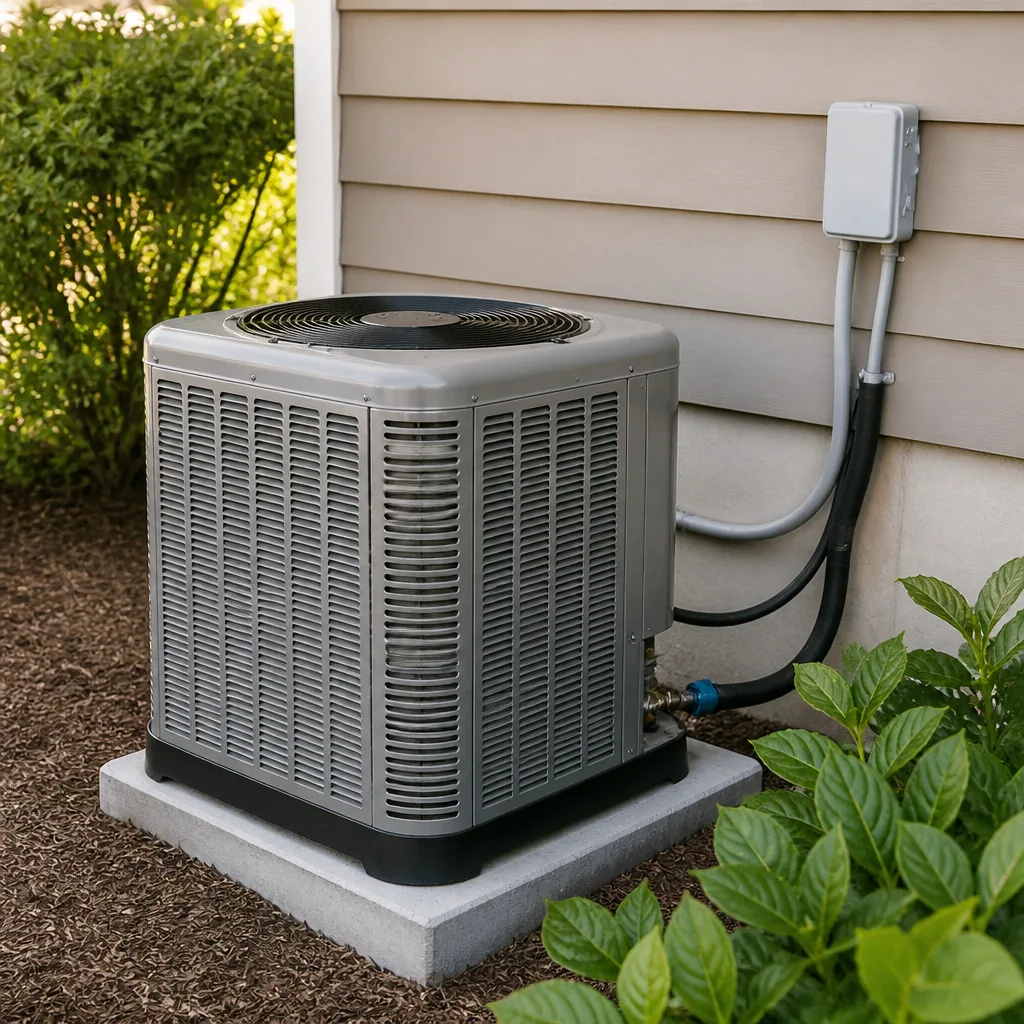 AC repair
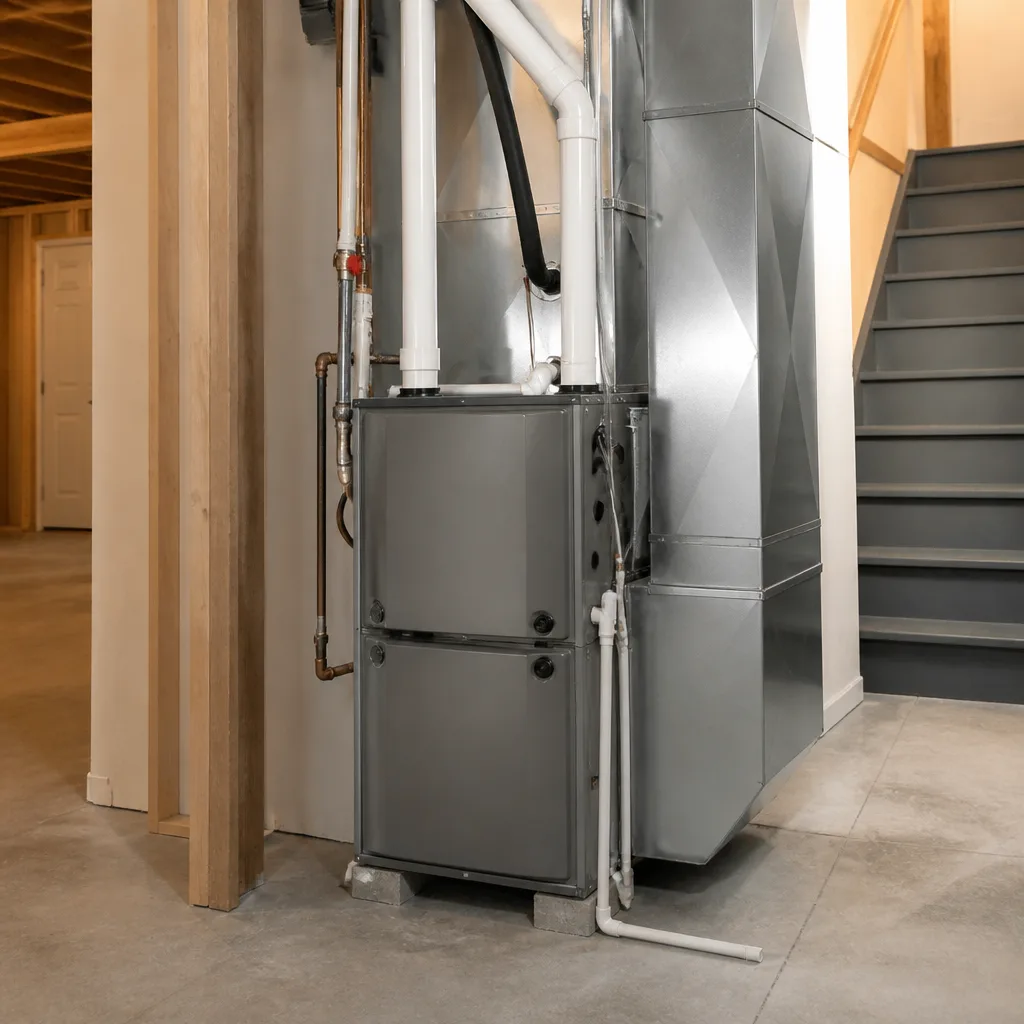 Furnace & heating
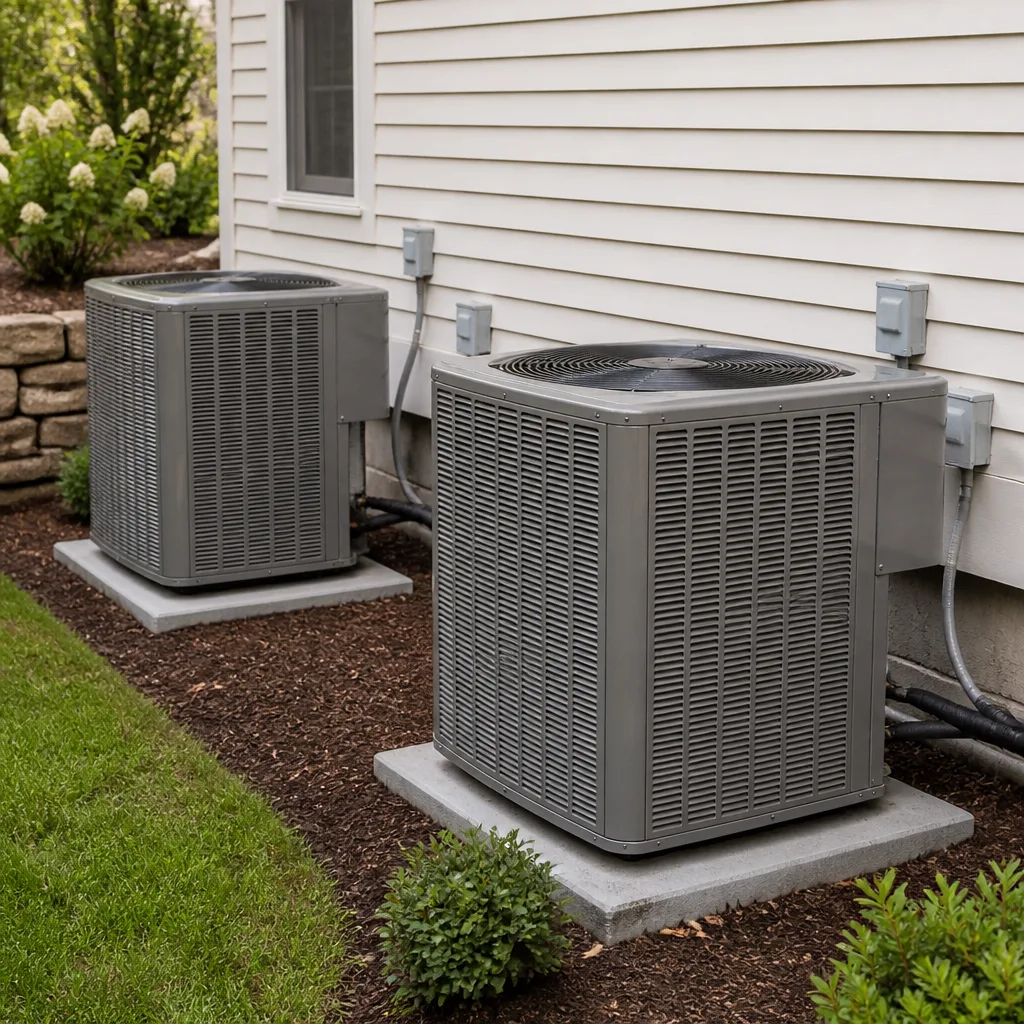 Heat pumps
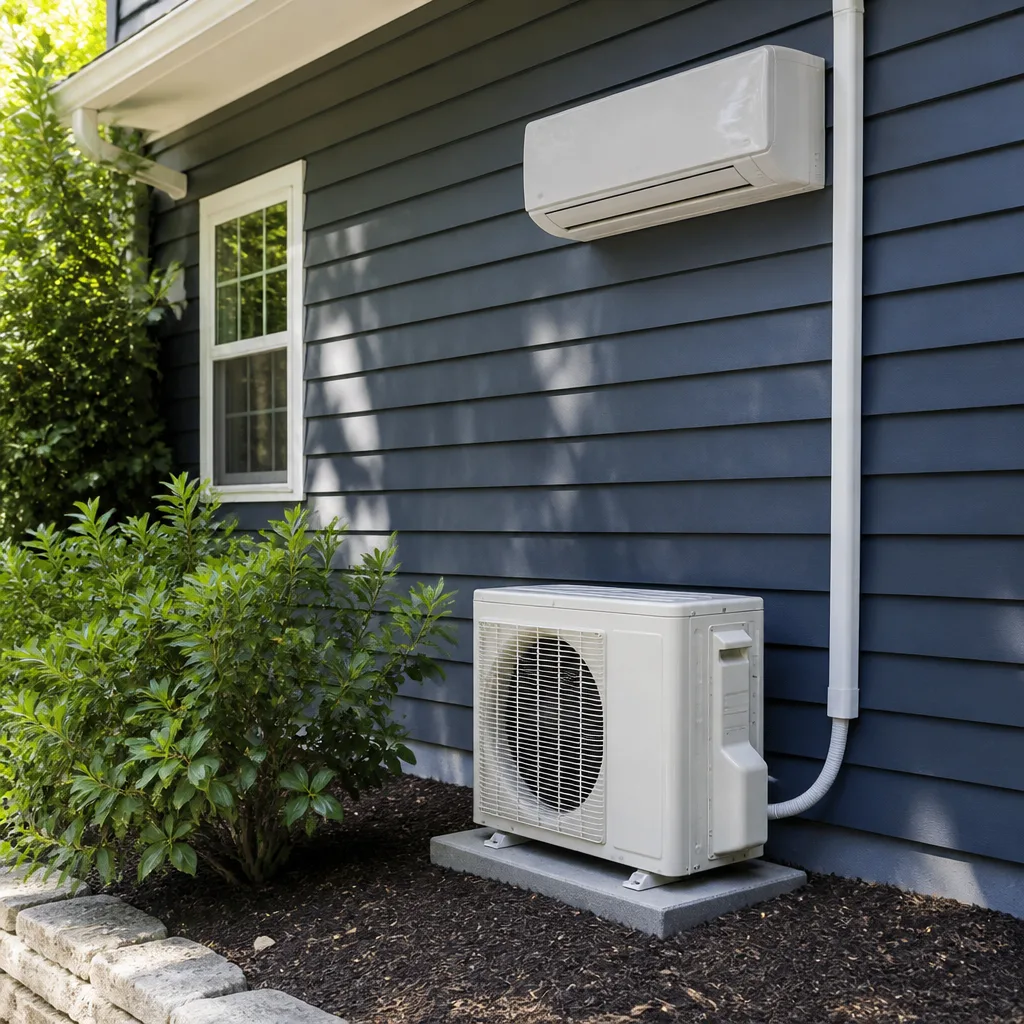 Ductless mini splits
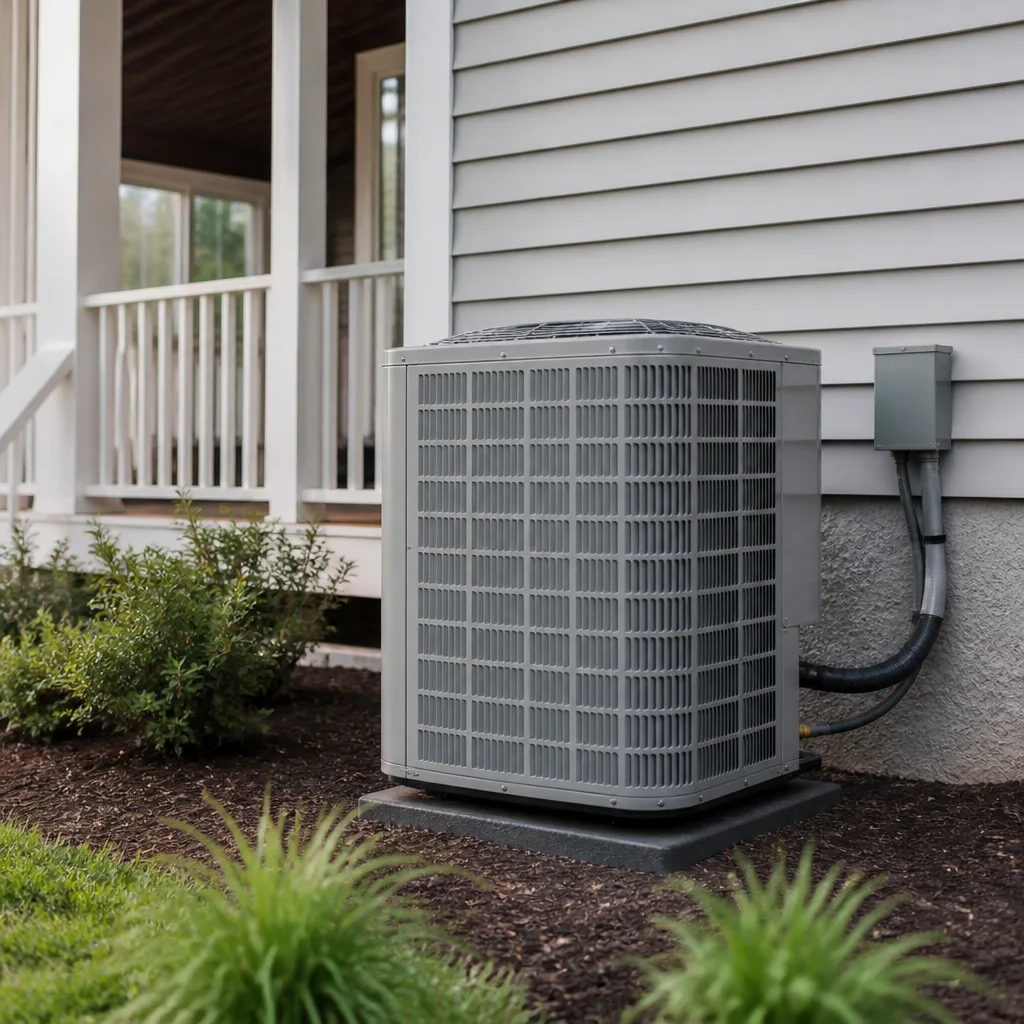 Carrier
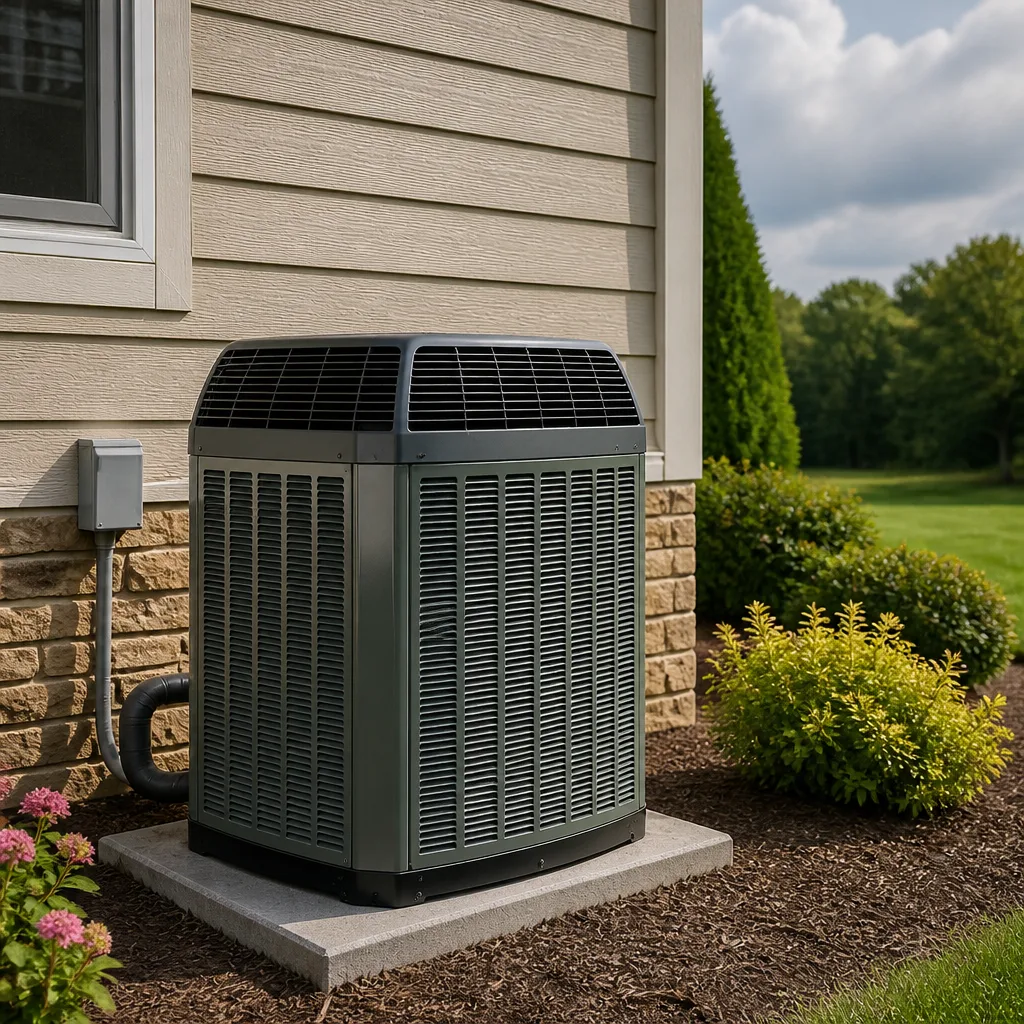 Trane
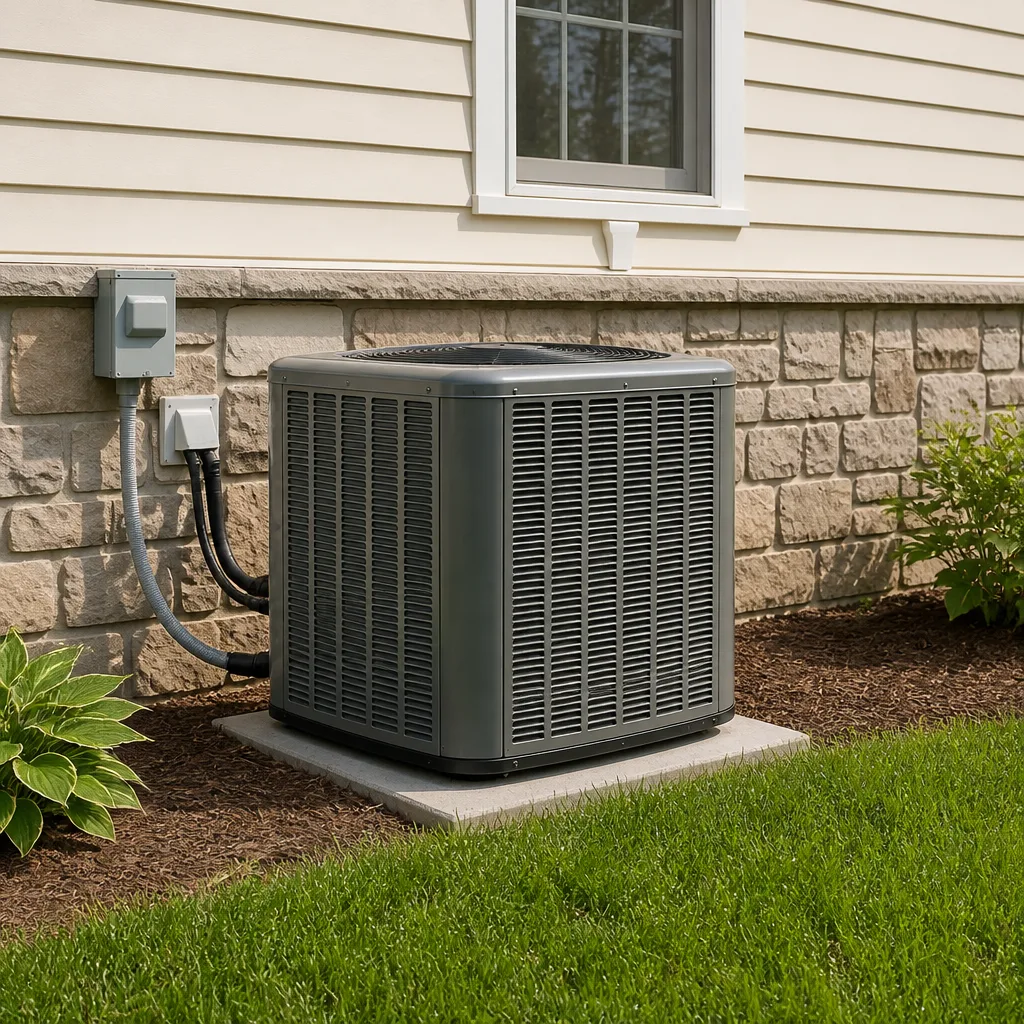 Goodman
Seasonal tune-up and full diagnostic on your Carrier, Trane, or Goodman system - readings shown to you before any repair is proposed
Diagnosis first, numbers second - you approve the repair price before a single part goes in.
Get your free estimateHVAC Warning Signs: A League City Homeowner’s Reference Guide
If your windows fog on the inside during summer, your HVAC system is failing, not your windows. That fog means your system is cooling air without pulling enough moisture out of it, and a house that stays damp through a League City summer is a house where mold gets a foothold. Most warning-sign guides point you toward obvious trouble: strange noises, warm air from the vents, a unit that won’t kick on. Those matter. But in our experience, the signs that actually head off expensive failures here show up in humidity, airflow and how long a system runs, and most homeowners never connect them to the HVAC system at all. This guide is about those signs, how to check for them yourself, and how to tell a call-now problem from one that can wait.
Quick Answer
The earliest HVAC warning signs in League City are usually humidity and airflow problems rather than temperature complaints. Indoor relative humidity climbing above 60% RH, windows fogging on the inside, rooms that never cool evenly, and a system that starts and stops in short bursts are all signals that your equipment is struggling before the thermostat ever shows a problem. Catch them early and you’re looking at a repair; ignore them through a long humid season and you’re often looking at a replacement decision.
Styles & brands we work with
- AC repair
- Furnace & heating
- Heat pumps
- Ductless mini splits
- Carrier
- Trane
- Goodman
Table of Contents
- The 60% Humidity Threshold: The Sign Most Homeowners Miss
- Why Uneven Cooling Is Almost Never Your Thermostat
- What Short Cycling Sounds Like (And Why It’s Worse Here)
- The Visual Inspection You Can Do Yourself
- Warning Sign or Waiting Game: Sorting Urgent From Routine
- A Seasonal Watchlist for League City Homes
- Common Mistakes to Avoid
- When to Call a Professional
The 60% Humidity Threshold: The Sign Most Homeowners Miss
Indoor relative humidity above 60% during cooling season is the single most reliable early warning sign that your air conditioning is underperforming. Below that line, your system is doing its dehumidification job. Above it, something in the system is off, even if the house feels cool enough on the thermostat. We’ve seen plenty of League City homes where the temperature reading looks fine and the air still feels clammy, sticky, or slightly heavy. That feeling is the symptom.
Here’s why humidity matters more than temperature in this part of Texas. An air conditioner removes heat and moisture at the same time, and moisture removal depends on the system running long enough to pull water out of the air passing over the indoor coil. When the coil is dirty, the refrigerant charge is low, the blower is set to a speed that’s too high, or the system is oversized for the house, it will still drop the temperature, but it won’t pull enough water out of the air. The result is a house that reads 74 degrees and feels like 80.
How to Measure It Cheaply
You don’t need fancy equipment. A basic digital hygrometer costs less than a decent lunch and gives you a reading you can act on.
- Buy a small digital hygrometer (most hardware stores and big-box stores carry them).
- Place it in the middle of your living space, at about chest height, away from vents, windows, and the kitchen.
- Let it sit for an hour with doors and windows closed.
- Read it in the late afternoon, when outdoor humidity peaks. That’s your worst-case reading.
- Log the number for a week. A reading that holds above 60% RH during cooling season is a genuine HVAC signal.
Anything above 60% RH over multiple days is worth a look. Above 65% and you’re not just uncomfortable, you’re providing a good environment for mold and mildew on drywall, framing, and furnishings. In our experience, when a League City homeowner tells us the house “just feels wet,” the hygrometer almost always confirms it. If you want to understand how a system is sized for a humid climate, our ac installation page walks through how load and humidity get handled together.
Why Uneven Cooling Is Almost Never Your Thermostat
When one room in a League City house stays warm while the rest is comfortable, the thermostat is almost never the culprit. A thermostat reads the air at its own location and tells the system to run or stop. It has no idea what’s happening in a bedroom at the far end of the house. If it were a thermostat problem, every room would be off in the same direction. When the problem is one or two rooms, the cause is almost always in airflow or ductwork.
Ranked by how often we find them, here are the three real causes:
- Duct leakage or disconnected duct runs. In our experience this is the most common cause by a wide margin, especially in older League City homes where ducts run through hot attics. A joint that has pulled apart or a run that has come loose dumps cool air into the attic instead of the room. You’ll see the room that’s short on cool air and never see where it’s going.
- Blocked or undersized returns. A room with a supply register but no return path can’t move enough air. Furniture blocking a return grille, a filter that’s been in too long, or a return sized for a different layout all show up the same way: a room that never catches up in the afternoon heat.
- A failing zone damper or balancing issue. In homes with zoning, a damper stuck partly closed starves one part of the house. Without zoning, incorrect register balancing or a blower running below spec can produce the same uneven result.
There’s a fourth cause that’s less common but real: the system is oversized for the house. It cools the whole space too fast, then shuts off before it has time to push conditioned air into the harder-to-reach rooms. That’s a design problem, not a thermostat problem, and it’s one we see more often than you’d think in homes that got a replacement unit sized by rule of thumb. If uneven cooling is happening alongside high humidity, the two are probably related. Fixing one usually helps the other.
What Short Cycling Sounds Like (And Why It’s Worse Here)
Short cycling is when your air conditioner starts, runs for a few minutes, stops, and starts up again before the house has really cooled or dried out. You’ll hear it clearly if you’re in the house during the afternoon: the system kicks on, blows for three to five minutes, cuts off, sits quiet for ten or fifteen, then starts again. A healthy system in cooling season should run in longer stretches, often twenty to thirty minutes or more before cycling off. Short bursts mean something is preventing it from settling into a real cycle.
Short cycling matters anywhere, but it’s more damaging in a humid climate than a dry one, and that’s the part most homeowners miss. Every time the system starts, the indoor coil is wet. When it stops early, that moisture sits on the coil instead of being carried away. Over a season of short cycles, you get a coil that stays damp, a cabinet that develops growth, and air that never gets properly dried because the system never completes a full dehumidification pass. You also wear out the compressor and contactor faster from all the starts and stops.
Common Causes of Short Cycling
- Refrigerant charge that’s off (low or overcharged)
- A failing capacitor or contactor causing hard starts and quick shutdowns
- A clogged air filter or restricted return, which trips the system on high-pressure or high-temperature limits
- Oversized equipment that cools too fast and satisfies the thermostat too soon
- A thermostat placed where sunlight or a nearby vent fools it into thinking the house is done
- Electrical or control-board issues that interrupt the run cycle
If you hear the pattern, don’t wait for the next scheduled visit. Short cycling is one of the more expensive things to ignore because it silently reduces equipment life every day it continues.
The Visual Inspection You Can Do Yourself
You can catch a lot of HVAC problems before they turn into a no-cooling day by looking at two places: the indoor air handler and the outdoor condenser unit. This isn’t a substitute for a technician’s diagnostic, but it’s a five-minute check that catches the common signals.
At the Indoor Air Handler
- Look at the filter. Hold it up to a light. If you can’t see light through it, it’s overdue. In our experience, a dirty filter is behind more “system isn’t working” calls than any other single cause.
- Check for moisture around the cabinet and drain pan. Water in the pan that isn’t draining, a wet cabinet base, or signs of standing water are all red flags. In a humid climate, a clogged condensate drain is a common cause of water damage and shutdowns.
- Look at the coil through the access panel. If you can see it safely without tools, a coil that’s matted with dust or fuzz is a coil that isn’t dehumidifying well. Don’t reach in; just look.
- Listen to the blower. A new rattle, squeal, or grinding sound from the blower area usually means a bearing or belt is heading toward failure.
At the Outdoor Unit
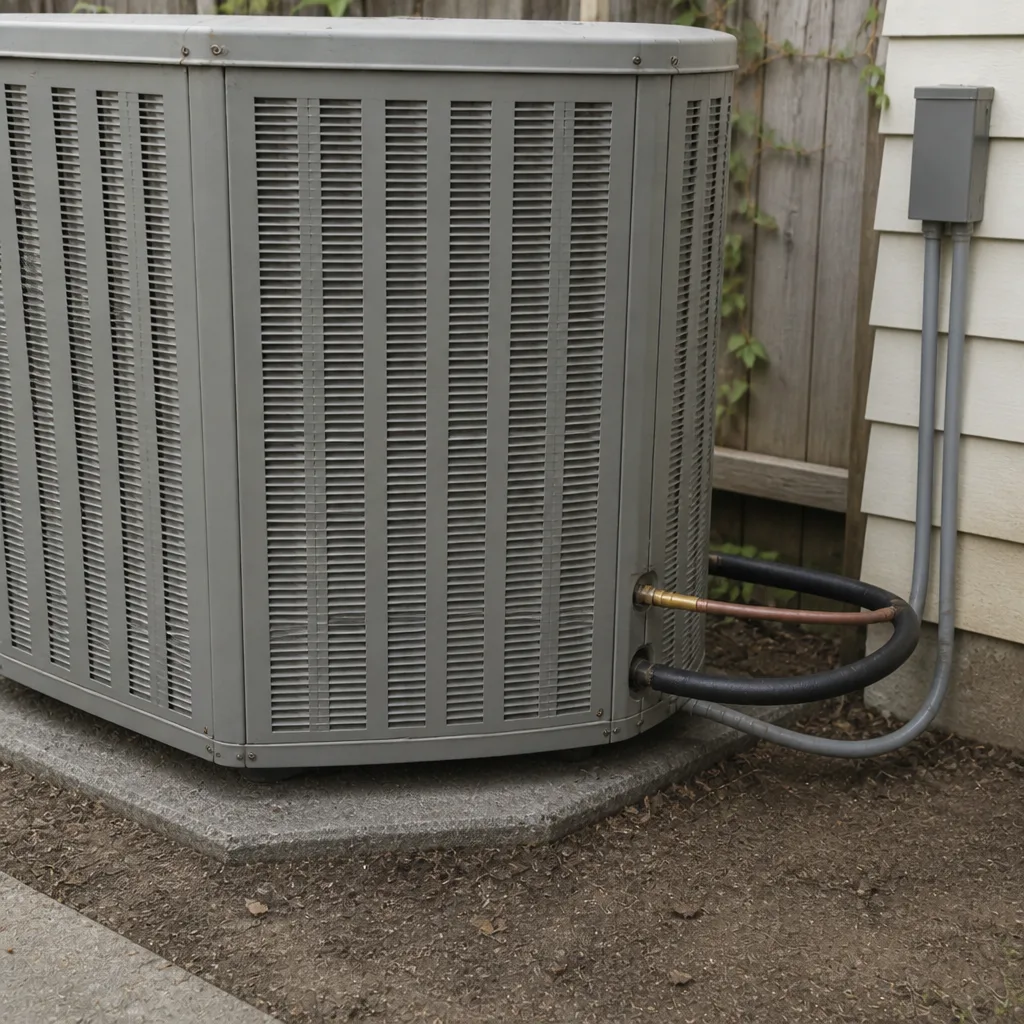
- Clear the clearance. The unit needs a couple of feet of open space around it for airflow. Bushes pressed against it, a fence panel tucked in tight, or debris piled on top all reduce efficiency and raise head pressure.
- Look at the fan. A fan that wobbles, wobbles only at startup, or has visible damage to the blades is a fan that’s on borrowed time.
- Check the coil fins. If they’re flattened, bent, or packed with grass clippings and cottonwood, air can’t get through. A gentle rinse from the outside (with power off, water pressure light) helps; if they’re caked, it’s a technician job.
- Look for oil or residue. Any oily streak around a refrigerant line or fitting points to a possible leak. That’s a call-now sign, not a wait sign.
- Look at the disconnect and wiring. Burn marks, melted insulation, or a buzzing sound from the electrical box mean stop and call. Electrical work in and around an outdoor unit is dangerous and belongs to a trained professional.
None of these checks requires tools or touching wiring. If anything on the list is wrong, note it and mention it to the technician. It helps the diagnosis and the estimate. If you’re dealing with a furnace-side concern rather than a cooling one, the same discipline applies, and our furnace repair page covers what to check on that side.
Warning Sign or Waiting Game: Sorting Urgent From Routine
The hardest part of HVAC ownership is deciding whether a sign is a call-now problem or a note-it-down problem. Here’s how we sort it when homeowners ask.
Call Now (Same Day)
- No cooling at all, or no heat in cold weather, especially with vulnerable household members
- Water pooling around the air handler, or a drain pan that keeps refilling
- Burning smells, smoke, or a breaker that trips repeatedly
- Oil residue on refrigerated lines or fittings
- Short cycling that has started suddenly and doesn’t stop
- Any sign of electrical damage at the outdoor unit
Call Within the Week
- Indoor humidity consistently above 60% RH
- One room notably warmer than the rest, day after day
- A new rattle, hum, or squeal you can hear from inside the house
- Windows fogging on the inside during cooling season
- A system that runs noticeably longer than it used to without a change in outdoor temperature
Add to the Next Maintenance Visit
- Minor dust around a register
- An outdoor unit that needs clearance trimming
- A filter change you can do yourself
- Small temperature differences between rooms that have always been that way
One caveat: any item on the “wait” list that gets noticeably worse over a few days should move up to “call now.” A rattle that turns into a grind, or humidity that climbs from 60% to 70%, is a sign the failure is progressing. Whether you’re in League City proper or a nearby community like Clear Lake or Dickinson, the same sorting applies. If you want a broader view of the area we work in, our league city page lays it out.
A Seasonal Watchlist for League City Homes
League City’s climate puts real pressure on HVAC systems in ways that don’t always match the generic “spring and fall” advice. Summer runs long, humidity is steady, and the shoulder seasons can swing between needing AC in the afternoon and heat at night. Here’s what to watch, by season.
Spring (Before the Long Cooling Season)
- Check that the outdoor unit is clear of winter debris and vegetation
- Replace the air filter and note the date
- Run the system on a warm afternoon and listen for new sounds
- Confirm the condensate drain is flowing freely (a cup of water poured into the pan, if accessible, tells you quickly)
Summer (Peak Humidity Season)
- Read indoor humidity weekly with your hygrometer
- Watch for fogged windows, especially in kitchens and bathrooms
- Note any room that consistently can’t keep up
- Listen for short cycling in the afternoon
Fall (Transition to Heating)
- Test the heat for twenty minutes on a cool day before you need it
- Watch for a burn smell or unusual odor at the first heat run (some dust burn-off is normal, persistent smell is not)
- Check for any sign of water where the air handler sits
Winter (Mild, But Not Idle)
- Verify heat runs cleanly and produces warm air within a few minutes
- Keep an eye on the filter; heating season moves a lot of air
- Note any cycling pattern changes compared to what you heard in summer
Nine brands, one company: when something on the watchlist turns into a repair, the technician should be able to work on the equipment that’s actually in the house, not just the brands a company prefers to sell. We work on Carrier, Trane, Lennox, Goodman, Rheem, York, Daikin, Bryant, and American Standard equipment, which means we can diagnose and service the system you have.
Common Mistakes to Avoid
- Treating humidity as a comfort issue instead of an equipment issue. A house that feels sticky isn’t just a nuisance; it’s giving you information about how your system is running. Chasing it with a dehumidifier without checking the HVAC first can mask a bigger problem.
- Chalking uneven cooling up to a bad thermostat. If one room is off, the thermostat is almost never the cause. Replacing it is easy, satisfying, and usually doesn’t fix anything.
- Ignoring short cycling because the house still gets cool. It will get cool enough to feel okay, especially in a humid climate, while the compressor and contactor wear out underneath it. That’s how a small repair becomes a replacement conversation.
- Replacing a filter “when you remember.” In a humid climate the filter loads faster than the calendar suggests, and a restricted filter is a common trigger for short cycling and coil icing. Check it monthly in summer.
- Assuming a new unit is automatically the answer. New equipment fixes sizing and age, but it doesn’t fix bad ductwork or a clogged drain. Repair or replace – we’ll tell you which one actually makes sense for your situation, and sometimes that answer is “repair, here’s why.”
- Letting a small water leak go. A condensate drain that drips today is a ceiling stain or a floor repair tomorrow. Water and HVAC should never be in the same sentence.
- Waiting until the system fails completely. A no-cooling call during a League City heat wave is the most expensive way to buy HVAC service because it limits your options. Catching warning signs early keeps the decision in your hands.
When to Call a Professional
Call a professional when you see any of the call-now signs: no cooling or no heat, water around the air handler, burning smells, a breaker that trips, oil residue on refrigerant lines, or short cycling that has started suddenly. Also call if indoor humidity stays above 60% RH for more than a few days, if one room consistently can’t keep up, or if you’ve checked the filter and cleared the outdoor unit and the problem remains. Electrical panels and refrigerant work are not homeowner jobs; both carry real risk of injury and both belong to a trained technician. If you’re facing a repair-versus-replace decision, our Hartwell AC Repair team handles both sides of that conversation, and we do it without steering you toward a sale.
Hartwell AC Repair offers free estimates in League City – call (866) 412-4707. We answer 24/7. Fast dispatch from 7am to 7pm, Sunday through Friday.
See the difference
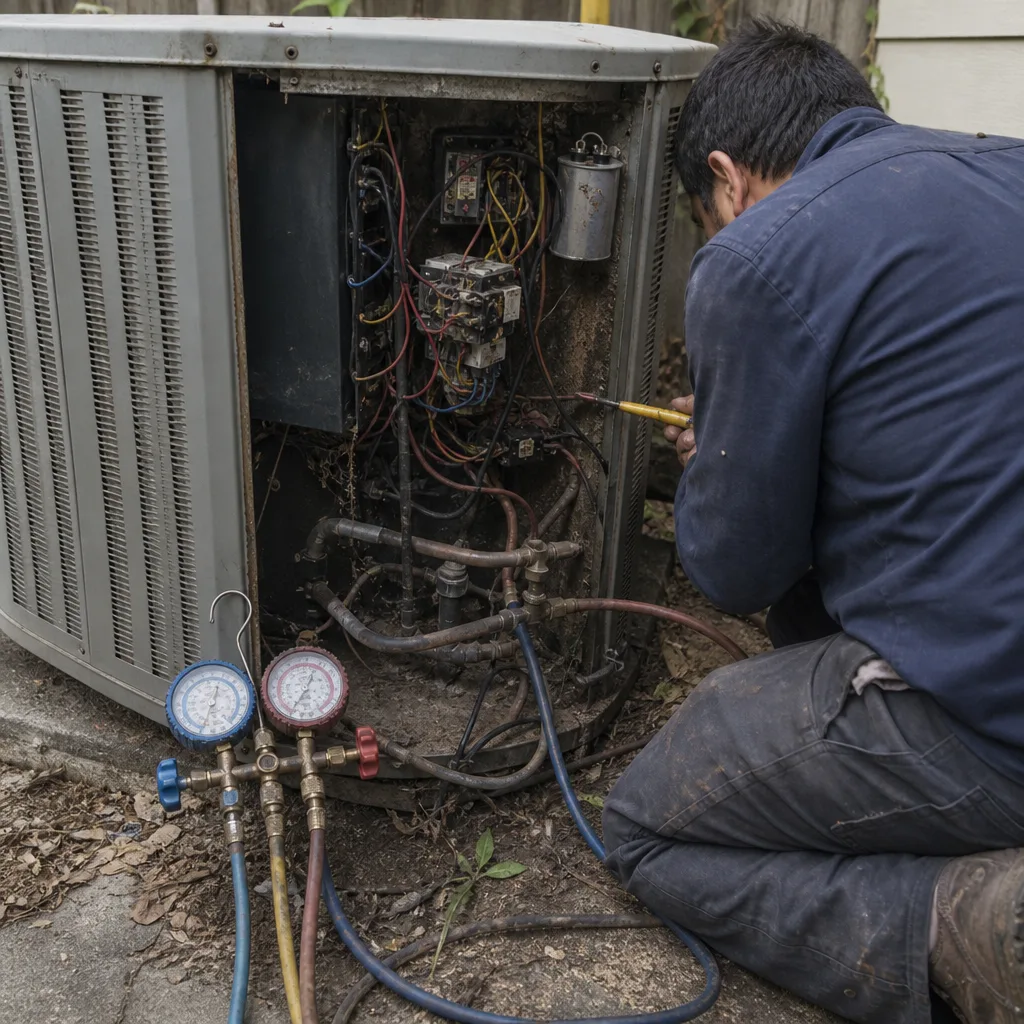 Before
 After
 Before
 After
 Before
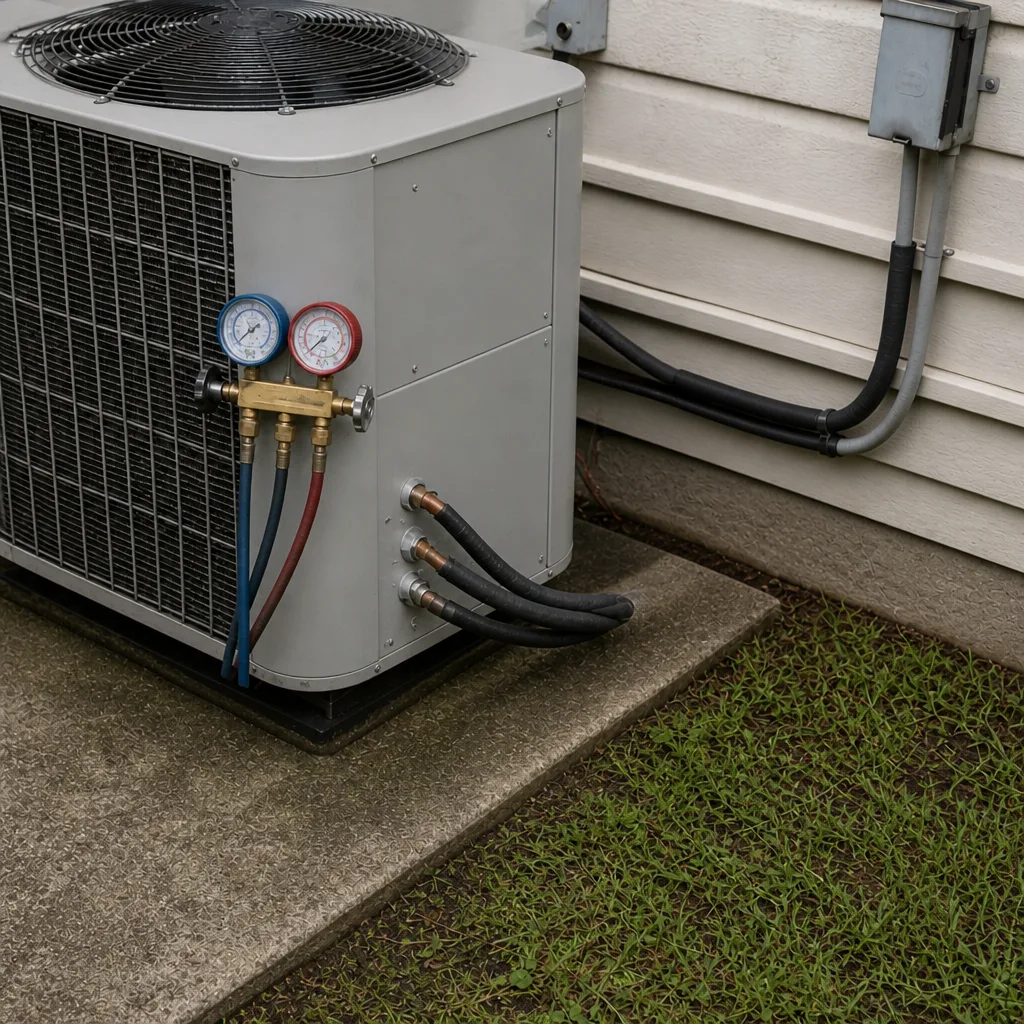 After
Frequently Asked Questions
In our experience the first sign is usually rising indoor humidity, not a temperature problem. If your hygrometer reads above 60% RH during cooling season while the thermostat still shows a normal setpoint, the system is cooling without removing enough moisture, which is an equipment signal. Call (866) 412-4707 for a free estimate if you’d like us to look at it.
Windows fog on the inside in summer because the air indoors is holding more moisture than it should, and the cooler glass surface condenses it. That’s usually an HVAC dehumidification problem, not a window problem. A system whose coil is dirty, whose charge is off, or that runs short cycles will leave the air wetter than it should be, and a quick diagnostic usually finds the cause.
Yes, 60% relative humidity is generally the upper edge of what you want indoors during cooling season. Above that line, comfort drops, and the conditions that support mold and mildew on interior surfaces improve. If your reading holds above 60% for several days with the AC running, that’s a call-worthy sign.
Short cycling sounds like the system starting, running for only a few minutes, stopping, and starting again within ten or fifteen minutes during a cooling call. A healthy unit should run in longer stretches, often twenty to thirty minutes or more before cycling off. If you hear the pattern, call for service rather than waiting.
Often, yes. Duct leakage, blocked returns, and zoning or balancing issues can usually be addressed without replacing equipment. If the underlying problem is that the system is oversized for the house, replacing it may be part of the answer, but that decision should come after a real diagnostic, not before. Call (866) 412-4707 to set up a free estimate.
Yes. You can check your filter (hold it to light), look for water around the air handler and drain pan, listen for new sounds at the blower, clear space around the outdoor unit, and check the outdoor coil fins for debris or flattened fins. Don’t open panels or touch wiring; if any of those checks turns up damage, call a professional. We answer 24/7 at (866) 412-4707.
The Bottom Line
The warning signs that save League City homeowners the most money are usually quiet: humidity climbing above 60%, a room that never quite catches up, a system that starts and stops in short bursts. Those signals tell you the equipment is working harder than it should long before the thermostat gives the game away. Check your filter, keep a hygrometer on a shelf, look at your air handler and outdoor unit a few times a season, and sort what you find into call-now, call-this-week, and note-for-next-time. When a sign lands in the first two categories, that’s your cue to get it looked at while the decision is still a repair.
Call (866) 412-4707 for a free estimate. We answer 24/7. Fast dispatch from 7am to 7pm, Sunday through Friday. Heating and cooling handled together, across the nine brands we work on – that’s how we keep a small problem from becoming a replacement.
Written by the team at Hartwell AC Repair.