
Last updated November 15, 2026
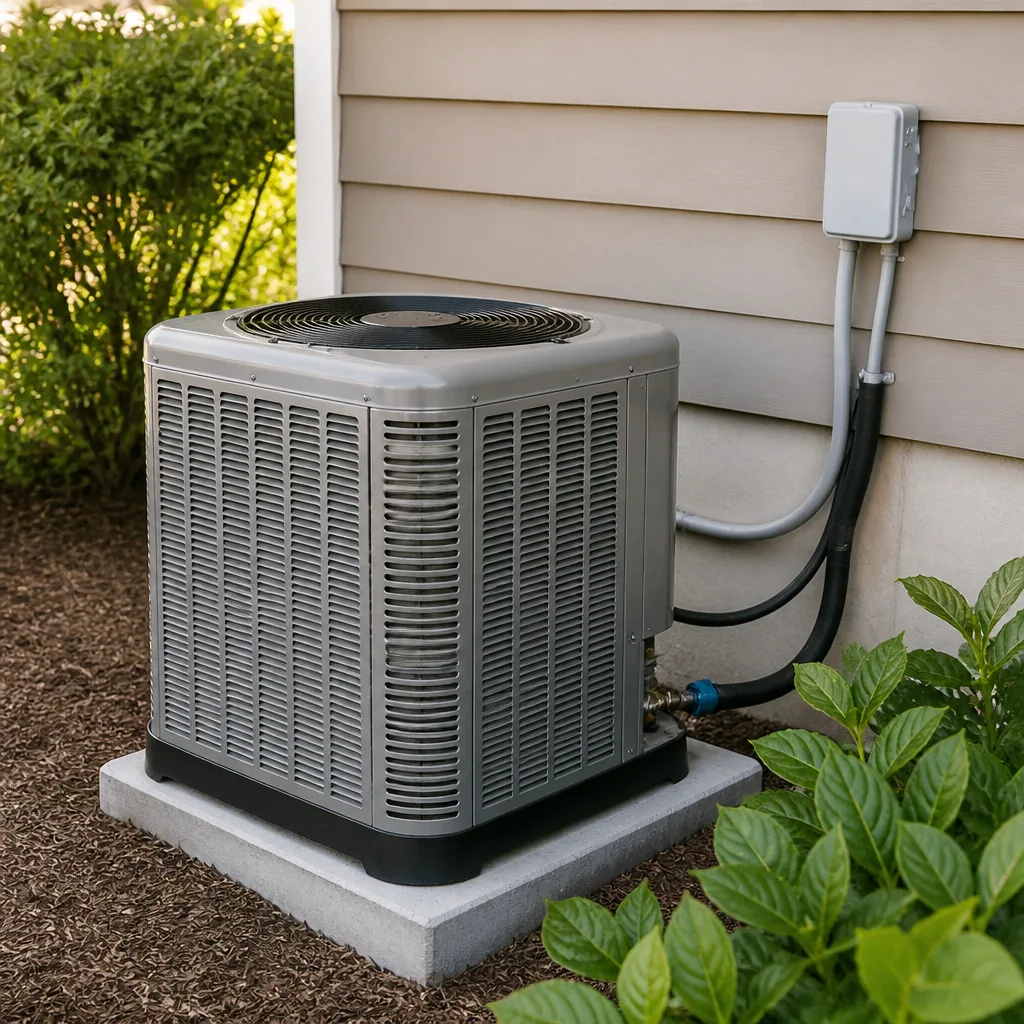 AC repair
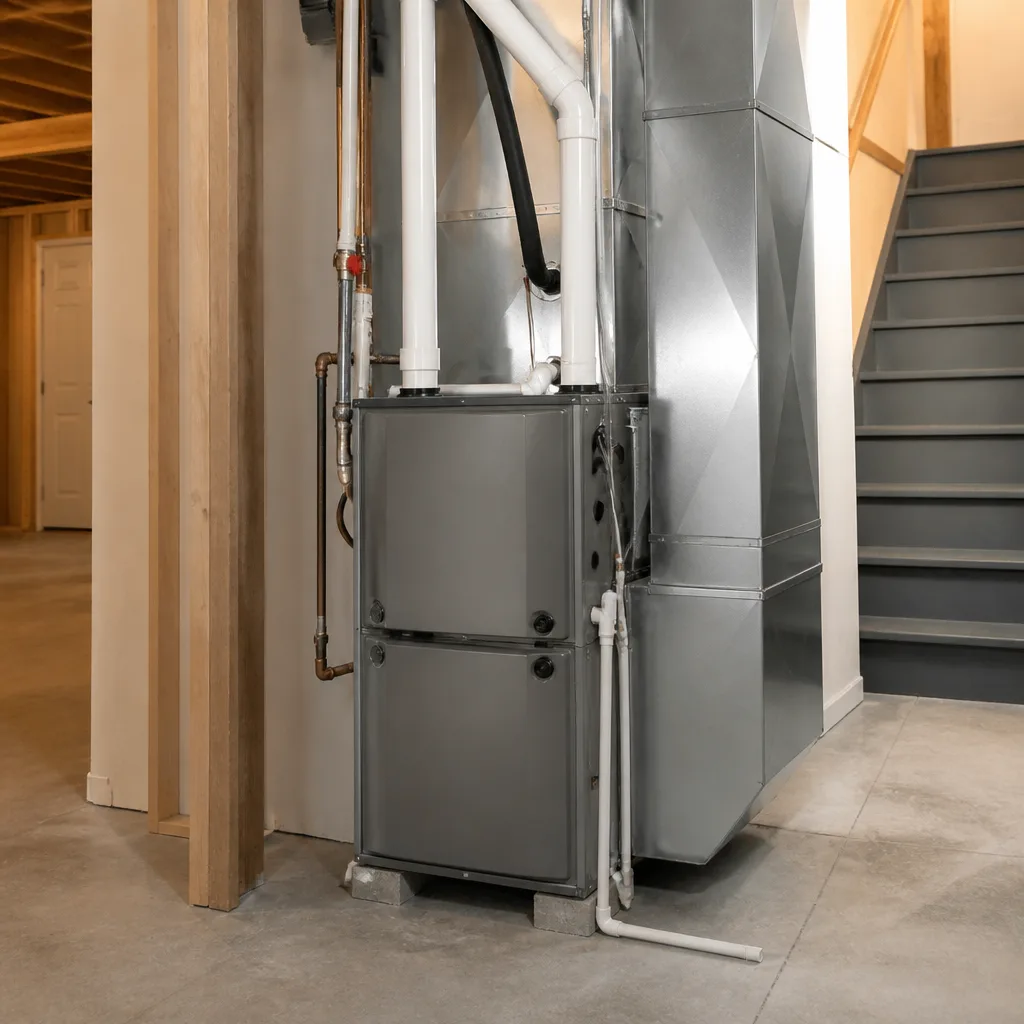 Furnace & heating
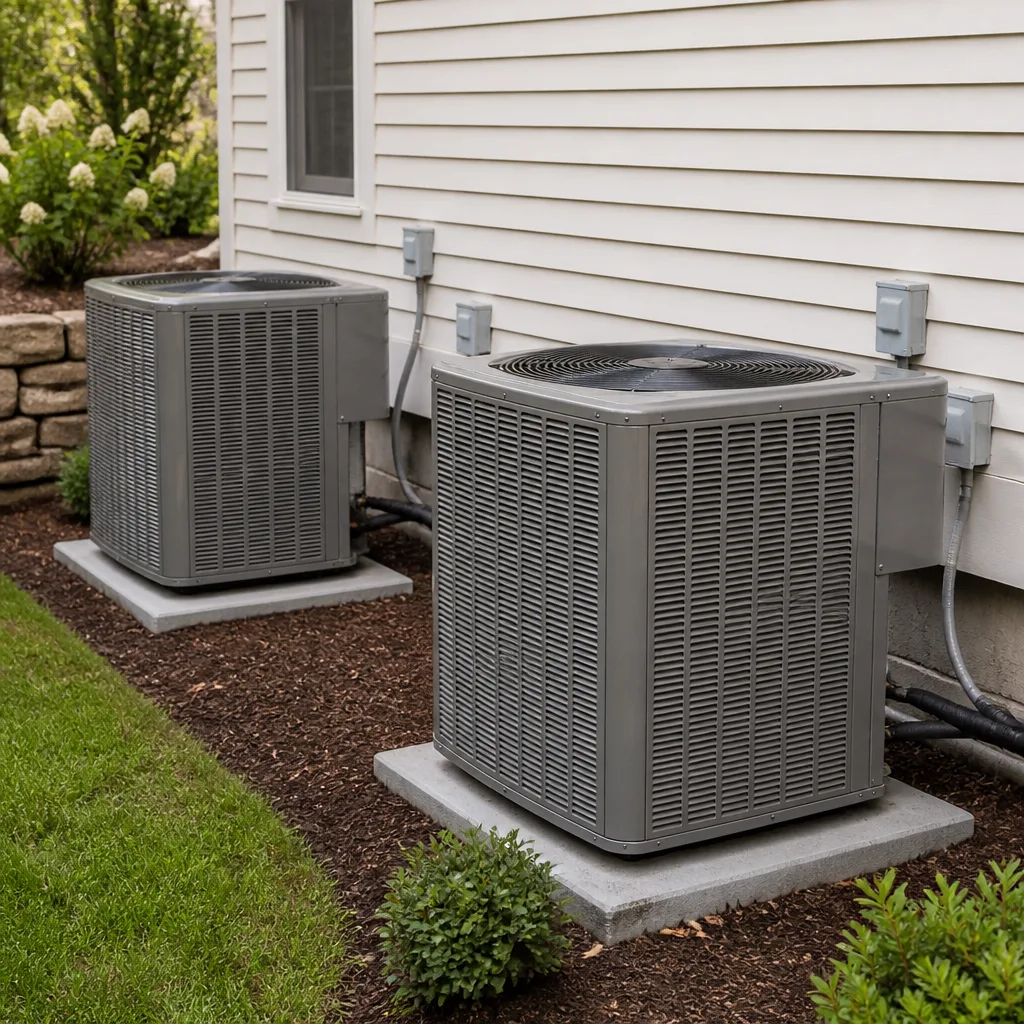 Heat pumps
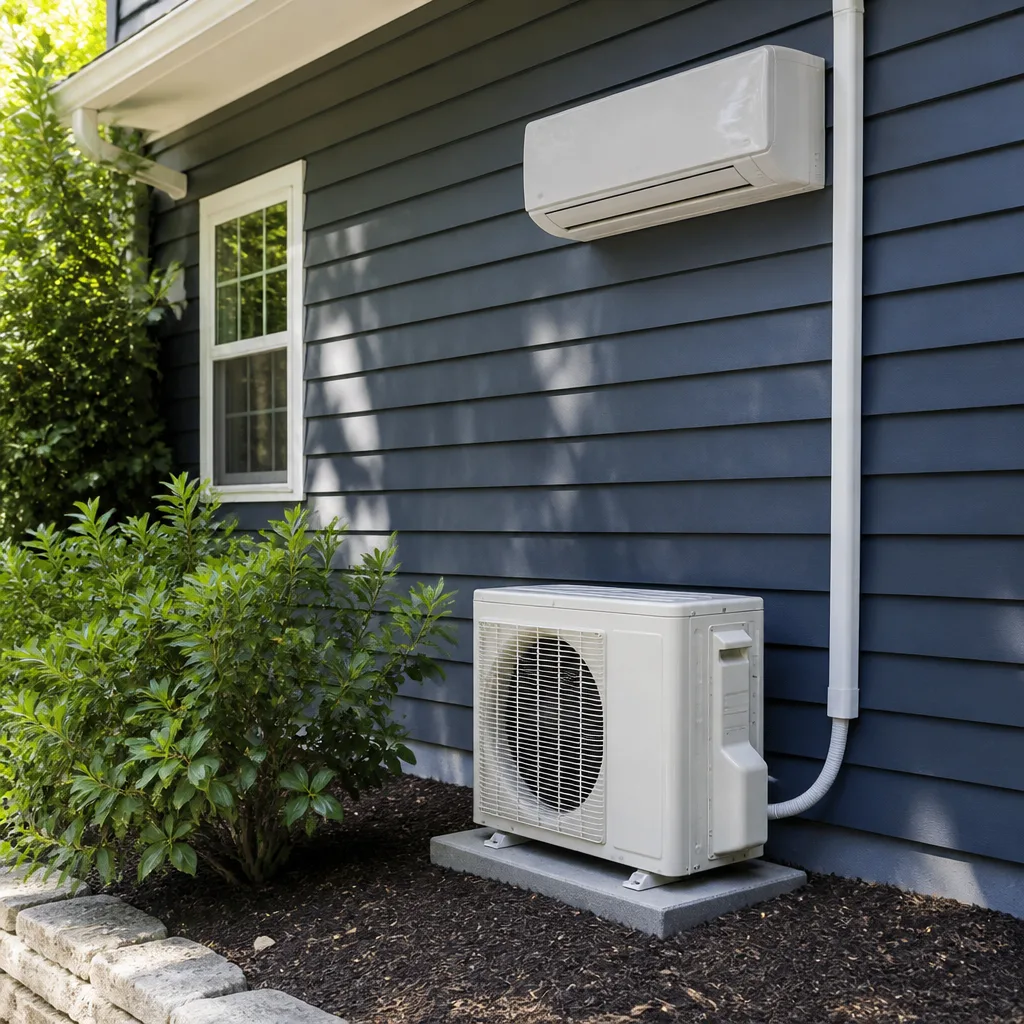 Ductless mini splits
 Carrier
 Trane
 Goodman
Seasonal tune-up and full diagnostic on your Carrier, Trane, or Goodman system - readings shown to you before any repair is proposed
Diagnosis first, numbers second - you approve the repair price before a single part goes in.
Get your free estimateChoosing the Right HVAC Brand: A Buyer’s Guide for League City
Most homeowners in League City start their HVAC research with a brand-name question: which one is the best? That’s the wrong first question. The “best” brand in League City is whichever one your contractor can get parts for within 48 hours, because a premium unit waiting three weeks on a warranty component is worse than a mid-range brand fixed tomorrow. Brand reputation matters, but it’s only half the story. The other half is local: who services it, how fast they can get parts, and whether the equipment line actually fits your home’s load profile and the humidity this region throws at it. This guide walks you through what actually predicts satisfaction after the warranty ends, which features matter in a cooling-dominant climate, and how to tell whether your contractor’s recommendation is driven by the equipment or the margin.
Quick Answer
The best HVAC brand in League City is the one your contractor can service quickly with locally available parts and a strong workmanship warranty behind the install. For most homes here, focus on variable-speed or two-stage equipment that handles humidity well, then choose from a brand your contractor is trained on – Goodman, Rheem, York, and Daikin all have solid options across budget and mid-range tiers – rather than chasing a name. Brand loyalty is mostly marketing; equipment-to-home matching and service capability are what actually keep you comfortable.
Styles & brands we work with
- AC repair
- Furnace & heating
- Heat pumps
- Ductless mini splits
- Carrier
- Trane
- Goodman
Table of Contents
- Why Brand Loyalty Is Mostly Marketing
- Parts Availability: The Metric That Actually Predicts Your Experience
- Features That Matter in a Humid, Cooling-Dominant Climate
- Comparing the Nine Major Brands on What League City Homeowners Care About
- Manufacturer Warranty vs. Workmanship Warranty: Why the Second One Matters More
- The Risk of a Single-Brand Contractor
- How to Evaluate Whether Your Contractor’s Recommendation Is Equipment-Driven or Margin-Driven
- A Step-by-Step Process for Choosing Your Brand in League City
Why Brand Loyalty Is Mostly Marketing
HVAC manufacturers spend heavily to build name recognition, and it works. Most homeowners in League City can name two or three brands before they’ve ever looked at a spec sheet. But here’s what the marketing doesn’t tell you: the equipment inside most residential units is more similar than the logos suggest. Compressors, coils, and control boards come from a relatively small pool of suppliers, and the differences between brands at the same price tier are often smaller than the difference between a well-installed system and a poorly installed one.
That doesn’t mean brand is irrelevant. It means brand is one variable among several, and it’s rarely the deciding one. What actually determines how happy you are with your system three, five, or ten years from now comes down to a few practical things:
- Whether the equipment was sized and installed correctly. A premium brand installed with a mismatched air handler or undersized ductwork will underperform a budget brand installed right.
- Whether your contractor can get parts locally. A brand with a thin distribution network in your area means longer waits when something fails.
- Whether the specific product line fits your home. A single-stage builder-grade unit and a variable-speed premium unit from the same manufacturer are very different machines.
- Whether the workmanship warranty protects you. The manufacturer covers the part. Somebody has to cover the labor, and that’s on your contractor.
In our experience working across nine brands in League City, the homes that end up happiest with their systems aren’t the ones that bought the most famous name. They’re the ones where the equipment matched the house and the contractor stood behind the install. That’s the conversation worth having before you sign anything.
Parts Availability: The Metric That Actually Predicts Your Experience
Here’s a question most buyers never ask, and it’s the one that matters most: when your system breaks in August, how fast can your contractor get the part? A system’s warranty might run ten years, but if the part you need sits on a shelf three states away, you’re the one sweating while it ships. Parts availability is the single most underrated factor in HVAC brand selection, and it has almost nothing to do with the brand’s TV commercials.
Parts availability depends on distribution density. Brands with a strong regional warehouse network and multiple local supply houses tend to have common components on hand. Brands with thinner distribution can mean waits that stretch from days into weeks for less-common parts. During peak cooling season, when every contractor in the region is pulling the same compressors and capacitors, that difference becomes very real.
How to actually evaluate this before you buy:
- Ask your contractor which brands they can source parts for locally. A straight answer here tells you a lot. “We can get anything eventually” is not the same as “we can get this in 48 hours.”
- Ask how long a typical warranty part takes to arrive for the brand you’re considering. Residential-grade parts for widely distributed brands tend to move faster than specialty or premium-tier components.
- Ask what happens if the part is backordered. Does the contractor have a loaner or temporary fix option? Can they substitute a compatible part? Knowing the contingency matters more than knowing the average.
- Check how many local contractors are trained on that brand. A brand that a dozen local outfits can service gives you options if you ever want to switch contractors.
This is why a Goodman or Rheem system with easy local parts access often beats a premium brand with a thin local network for a League City homeowner. The best equipment is the one that keeps running, and when it doesn’t, the one that gets fixed fast.
Features That Matter in a Humid, Cooling-Dominant Climate
League City summers are long, humid, and hard on air conditioning. Your system runs for months, not weeks, and it spends far more time removing moisture from the air than it does heating your home in winter. That shifts which equipment features actually matter. Buying decisions based on heating performance miss the point; the features that matter here are the ones that handle humidity, long run times, and steady cooling.
Three features are worth paying attention to:
Two-stage compressors
A two-stage compressor runs at a lower capacity most of the time and kicks into full output only when it needs to. In a cooling-dominant climate, that means longer, gentler run times that pull more moisture out of the air and keep temperatures steadier. Single-stage units cycle on and off at full blast, which can leave rooms feeling clammy between cycles. For most League City homes, two-stage is the practical sweet spot between budget and comfort.
Variable-speed air handlers
Variable-speed blowers adjust airflow continuously rather than stepping between fixed speeds. The benefit in a humid climate is better dehumidification: slower airflow across the evaporator coil pulls more moisture out of the air. These also tend to run quieter and use less electricity at partial load. If your home has any humidity problems – sticky air, condensation on registers, a clammy feel in the afternoons – a variable-speed air handler is one of the highest-impact upgrades you can make.
Enhanced drainage design
Humidity removal means condensation, and condensation has to go somewhere. Drain pans, condensate lines, and secondary drain switches deserve a close look. Equipment with well-designed drainage and accessible cleanout points is easier to maintain and less likely to back up. Ask your contractor how the drain pan is configured and how easy it is to service, especially if your air handler sits in an attic or a closet.
Efficiency ratings matter here too, but in a cooling-dominant climate, seasonal cooling efficiency carries more weight than heating efficiency. Spend your upgrade dollars on the cooling side and the humidity features, and the system will earn its keep through the long League City summer.
Comparing the Nine Major Brands on What League City Homeowners Care About
We work on nine major HVAC brands: Carrier, Trane, Lennox, Goodman, Rheem, York, Daikin, Bryant, and American Standard. Each has strengths, and none is universally “best.” The honest comparison depends on which criteria you weight. Here’s how the landscape looks across the factors that matter most in a humid, cooling-dominant market.
- Carrier and Bryant: These two share engineering lineage and sit in the premium-to-mid tier. Strong humidity-control features available in their higher lines, broad parts distribution, and a wide range of efficiency tiers. Bryant is often the value-oriented sibling of Carrier, with many of the same components.
- Trane and American Standard: Also closely related. Trane is one of the most recognized names in residential HVAC, with strong parts availability and premium-tier equipment that handles long cooling seasons well. American Standard offers similar engineering with generally more accessible pricing.
- Lennox: Known for high-efficiency premium equipment and variable-speed technology. Excellent performance in cooling-dominant climates at the top of the line; parts can be slower in some areas depending on local distribution.
- Goodman: Strong value play, widely distributed, easy parts access, and a solid reputation for reliability in the entry-to-mid tier. A good fit for budget-conscious homeowners who want equipment that’s easy to service.
- Rheem: Mid-range pricing, dependable performance, and reasonable parts availability. Rheem equipment is a practical choice for homeowners who want solid humidity handling without premium-tier pricing.
- York: Mid-tier equipment, widely available parts, and dependable performance in standard residential applications. A sensible option for straightforward replacements.
- Daikin: A global manufacturer with strong engineering, particularly in ductless and inverter-driven systems. Daikin’s variable-speed technology is well-suited to humid climates, and availability has improved steadily as the brand has grown in the U.S. market.
The takeaway: the entry and mid tiers (Goodman, Rheem, York) offer good value and easy service. The premium tiers (Carrier, Trane, Lennox) offer more advanced humidity and efficiency features that genuinely matter in a cooling-dominant climate. Both ends of the market can be the right call depending on your budget and your home’s needs. What matters is that the brand you pick fits your home, your budget, and your contractor’s ability to service it.
Manufacturer Warranty vs. Workmanship Warranty: Why the Second One Matters More
Most homeowners focus on the manufacturer warranty when they buy a new system. That’s understandable – it’s the one with the glossy brochure and the big number. But in the first two years, the warranty that actually protects you is the contractor’s workmanship warranty, and it’s the one you should ask about first.
Here’s the difference:
- Manufacturer warranty covers the equipment itself – the compressor, the coils, the control board, and so on. It pays for parts. It does not pay for labor, and it does not cover installation errors. Terms vary by brand and by registration, so read the fine print.
- Contractor workmanship warranty covers the installation and the labor. If your system fails in its first year because of a bad braze joint, a duct connection that came apart, or a refrigerant charge that was never set correctly, a workmanship warranty gets it fixed at no cost to you. Without one, you’re paying labor on a system that’s technically under warranty for parts.
Installation problems show up early. That’s why the first two years are the window that matters most. A good workmanship warranty covers that window and gives you a single point of accountability if something goes wrong. Ask:
- What does the workmanship warranty cover, and for how long?
- Who performs the labor under warranty – the installing contractor or a third party?
- Does the warranty transfer if you sell the home?
- What voids it – missed maintenance, unregistered equipment, work by another contractor?
The manufacturer’s warranty is important. But it’s a parts warranty. The workmanship warranty is what covers the install – and the install is where most problems begin. Insist on getting both in writing before you sign.
The Risk of a Single-Brand Contractor
Some HVAC companies are exclusive to one brand. They promote one name, stock one name, and recommend one name for every home. That’s not always a bad thing – a specialist can be very good at what they do. But it’s a structural risk you should understand before you sign.
When a contractor is locked into one brand, their recommendation is no longer purely about your home. It’s shaped by what they’re set up to sell. That’s not dishonesty; it’s just how exclusive arrangements work. The brand’s best-fit product line might be a good match for your home, but you’ll never know for sure if it’s the only line on the table.
There are practical risks, too:
- Service lock-in. If your contractor is the only game for that brand in town, you lose leverage on pricing and scheduling.
- Parts dependency. If the brand’s distribution is thin in your area, exclusive contractors can’t substitute – they wait with you.
- Recommendation bias. Even well-intentioned contractors will lean toward the line they know best, not necessarily the line that’s best for you.
- Equipment mismatch. If the exclusive brand doesn’t have a strong product at your budget or efficiency target, you may end up with equipment that doesn’t fit your home.
We’re trained on nine brands for exactly this reason. When a homeowner in League City asks us for a recommendation, we can compare Goodman to Trane to Daikin to Carrier on the same criteria, and we can service the system they already have regardless of who installed it. If a brand has a parts problem, we can steer toward something with better local support. That flexibility is worth more than any single brand’s marketing budget.
How to Evaluate Whether Your Contractor’s Recommendation Is Equipment-Driven or Margin-Driven
Every contractor has a margin. The question is whether that margin is shaping the recommendation more than your home’s needs are. There’s no perfect test, but a few signals tell you a lot about whether your contractor is thinking about your equipment or their bottom line.
Green flags – signs the recommendation is equipment-driven:
- They walk the house and do a load calculation or at least a careful room-by-room review before recommending equipment.
- They offer more than one tier – a budget option, a mid-range option, and a premium option – and explain the tradeoffs honestly.
- They ask about humidity, comfort problems, and how you use the home.
- They recommend based on your existing ductwork and electrical capacity, not just on what’s easiest to install.
- They tell you when repair makes more sense than replacement, even though replacement means a bigger ticket.
Red flags – signs the margin is driving the bus:
- They recommend the same brand and model for every home.
- They push a full system replacement for a repair that would solve the problem.
- They skip the load calculation and size the system “by eye.”
- They can’t explain why the specific line they’re recommending beats a cheaper or comparable alternative.
- They’re dismissive about the brand you already own, or about servicing it.
We do AC installation and furnace repair both, and that matters here. When the contractor doing the install also does repair, the recommendation is shaped by what your system actually needs – not by a shop that only installs, or only patches. If a repair makes sense, we’ll tell you. If replacement is the better call, we’ll show you why. Either way, the decision belongs to you, not to the sales script.
A Step-by-Step Process for Choosing Your Brand in League City
If you’re facing a replacement and you want a process rather than a pitch, here’s the one we walk homeowners through. It takes the brand name off the pedestal and puts it in the right place – one variable among several that actually predict how happy you’ll be.
- Get your home’s load and ductwork evaluated first. Before any brand conversation, understand what your home needs: correct tonnage, duct sizing, and whether existing ductwork will support the equipment you’re considering. Size and ductwork affect comfort more than brand does.
- Set your budget and efficiency target. Decide what you want to spend and what efficiency level matters to you. That narrows the brand and product-line options to a realistic set before you start comparing.
- Ask about parts availability for each brand in the running. A brand with strong local distribution is easier to live with than a brand with a thinner network, regardless of reputation.
- Compare at least three brands across the tiers. Ask for a budget option, a mid-range option, and a premium option, and have your contractor explain what each one gains you.
- Check the workmanship warranty. Whatever brand you choose, the contractor’s labor warranty is what protects you in the first two years. Get it in writing.
- Confirm your contractor services multiple brands. A contractor trained across brands is more likely to recommend what fits your home, and more likely to be able to service what you already own.
- Schedule the install and confirm the financing and rebate details. Replacement is a scheduled project, not a same-day repair. Ask for a written fixed price and a firm install date before you sign.
This process works for any home in League City, whether you’re in a newer build or an older property with original equipment. Our technicians have up to 12 years of experience across all nine brands, and we’ll tell you which option actually makes sense for your situation. If you’re weighing a replacement against a repair and you’re not sure yet, Hartwell AC Repair can help you sort out the difference before you commit.
Common Mistakes to Avoid
- Buying on brand name alone. A premium brand installed with undersized ductwork will frustrate you more than a mid-range brand installed correctly. The brand matters, but the install and the sizing matter more.
- Skipping the humidity features. Single-stage equipment works, but in a humid climate like League City’s, two-stage and variable-speed options pay off with better moisture control and steadier comfort. Don’t leave them out of the comparison.
- Ignoring parts availability. A system is only as good as its serviceability. Ask about local parts access before you commit, especially for brands with thinner distribution in the area.
- Assuming the manufacturer warranty covers labor. It usually doesn’t. If you don’t have a workmanship warranty, first-year install problems come out of your pocket.
- Working with a single-brand contractor without comparing. Exclusivity isn’t automatically bad, but it limits your options. Ask what else they can offer and why they recommend what they do.
- Letting the sales pitch bypass the load calculation. If your contractor sizes the system without measuring the home, they’re guessing. Correct sizing is a core part of the job, not an optional extra.
- Forgetting to ask about drainage and attic access. It’s a small detail until a condensate line backs up in August. Ask how the drain is configured and how easy it is to service.
See the difference
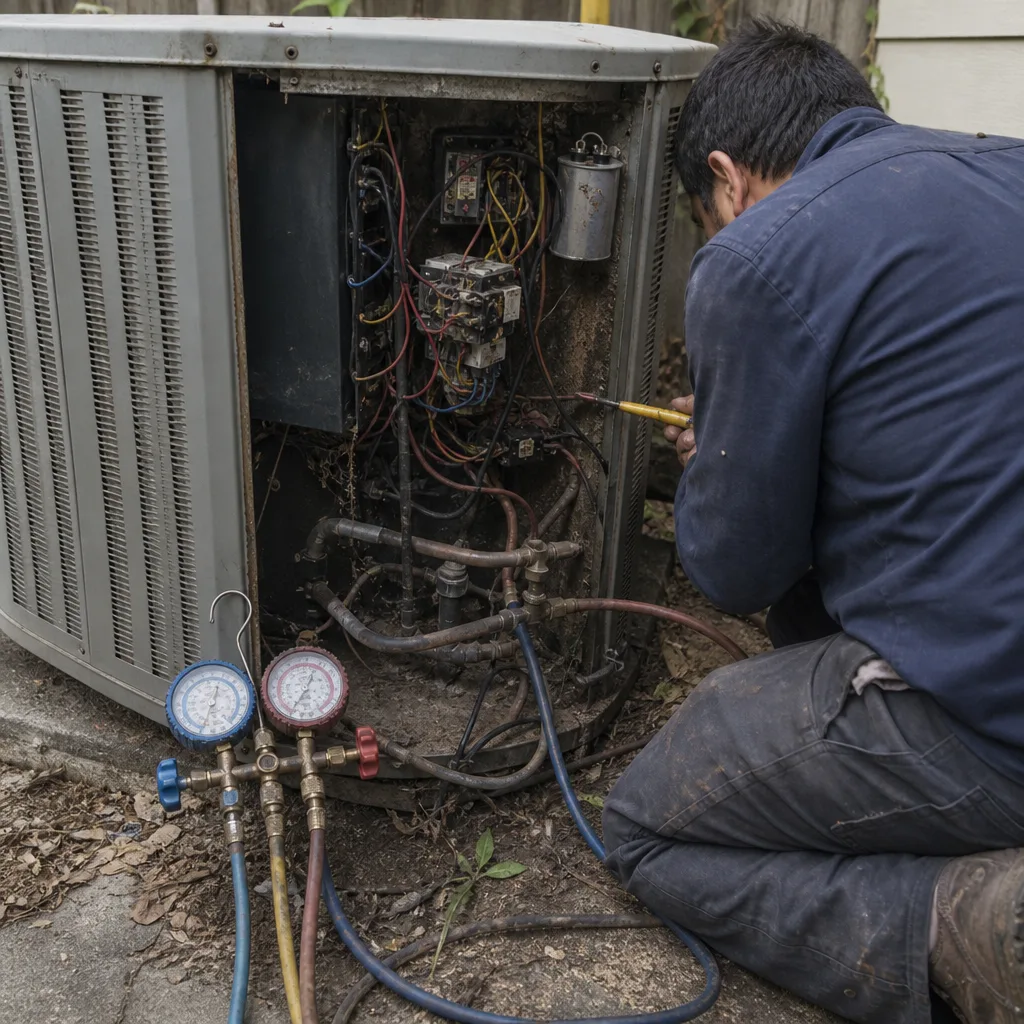 Before
 After
 Before
 After
 Before
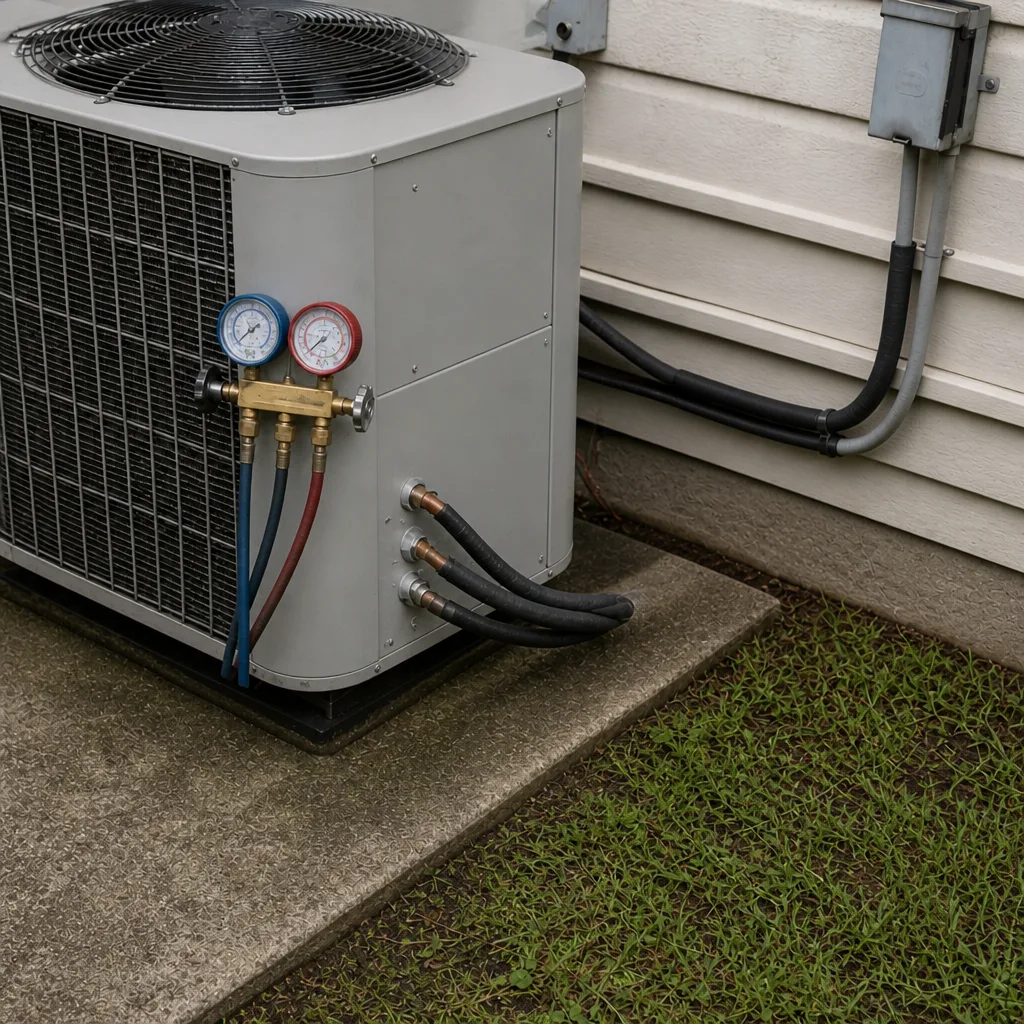 After
When to Call a Professional
Some brand questions can wait until you’re planning a replacement. Others need a call now. If your current system is failing during a hot stretch, if your electric bills have climbed without a change in usage, if rooms aren’t cooling evenly, or if you’re hearing new noises from the outdoor unit, get a technician out to diagnose it before small problems turn into expensive ones. If your system is approaching the end of its life and you’re weighing repair against replacement, a professional can tell you which one actually makes sense for your situation. And if your contractor is recommending a brand and you want a second opinion, ask.
Hartwell AC Repair offers free estimates in League City – call (866) 412-4707. We’re also the right call if a system is failing now: fast dispatch from 7am to 7pm, Sunday through Friday, and we answer 24/7. Heating and cooling are handled together, so you’re never coordinating between separate contractors.
Frequently Asked Questions
There’s no single best brand for League City; the right one depends on your home’s load, your budget, and your contractor’s ability to service it locally. For most homes, a mid-range or premium line with good humidity handling and strong local parts availability is the smarter pick than chasing a famous name. Call (866) 412-4707 for an exact quote – estimates are free.
We’re trained and experienced on nine major brands: Carrier, Trane, Lennox, Goodman, Rheem, York, Daikin, Bryant, and American Standard. That means we can diagnose and service whatever system is already in your home, not just the brands we prefer to sell. Call (866) 412-4707 if you’re not sure which brand you have – we can figure it out.
Look for green flags: a load calculation, multiple tiers with honest tradeoffs, and a willingness to tell you when repair beats replacement. Red flags include the same recommendation for every home and a refusal to offer alternatives. A contractor trained across brands is more likely to be equipment-driven; call (866) 412-4707 for a free estimate and a straight conversation.
Either is a real upgrade over single-stage in a humid climate. Two-stage is the practical sweet spot between budget and comfort, while variable-speed air handlers give you better dehumidification and quieter operation. For most League City homes with any humidity concerns, variable-speed is worth the step up. Call (866) 412-4707 to talk through which one fits your home.
No. The manufacturer warranty covers parts, not labor or installation errors. That’s why the contractor’s workmanship warranty matters more in the first two years – it covers the labor and the install itself. Ask for it in writing before you sign. Call (866) 412-4707 if you need help reviewing what you’ve been offered.
Yes. Because we work across nine brands, we can service existing equipment regardless of brand, age, or where it was originally purchased. Our technicians have up to 12 years of experience, and we’ll tell you honestly whether repair or replacement makes sense for what you have. Call (866) 412-4707 – estimates are free.
The Bottom Line
The best HVAC brand in League City isn’t decided by a logo; it’s decided by how well the equipment fits your home and how fast your contractor can service it. Focus on humidity-handling features like two-stage compressors and variable-speed air handlers, ask about local parts availability before you buy, and insist on a workmanship warranty that covers the install, not just the parts. Work with a contractor trained across brands so the recommendation reflects your home instead of a single line’s margin. When you’re ready to compare options in League City, we’re happy to walk you through it.
Have a question about a specific brand or a system that’s on its way out? Call (866) 412-4707 for a free estimate. We answer 24/7, and fast dispatch runs from 7am to 7pm, Sunday through Friday. Our technicians have up to 12 years of experience across nine brands, and we’ll tell you which option actually makes sense for your home.
Written by the team at Hartwell AC Repair.