
Last updated November 15, 2026
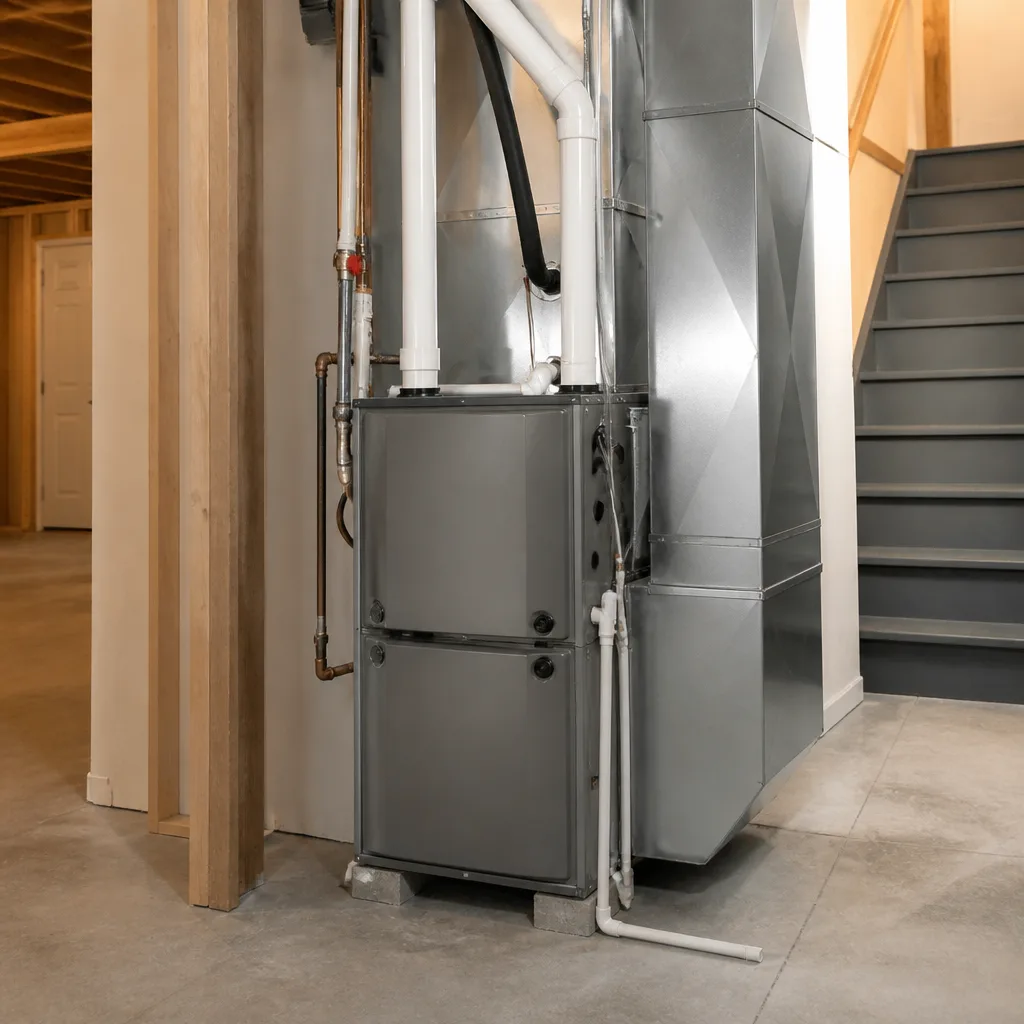 Furnace & heating
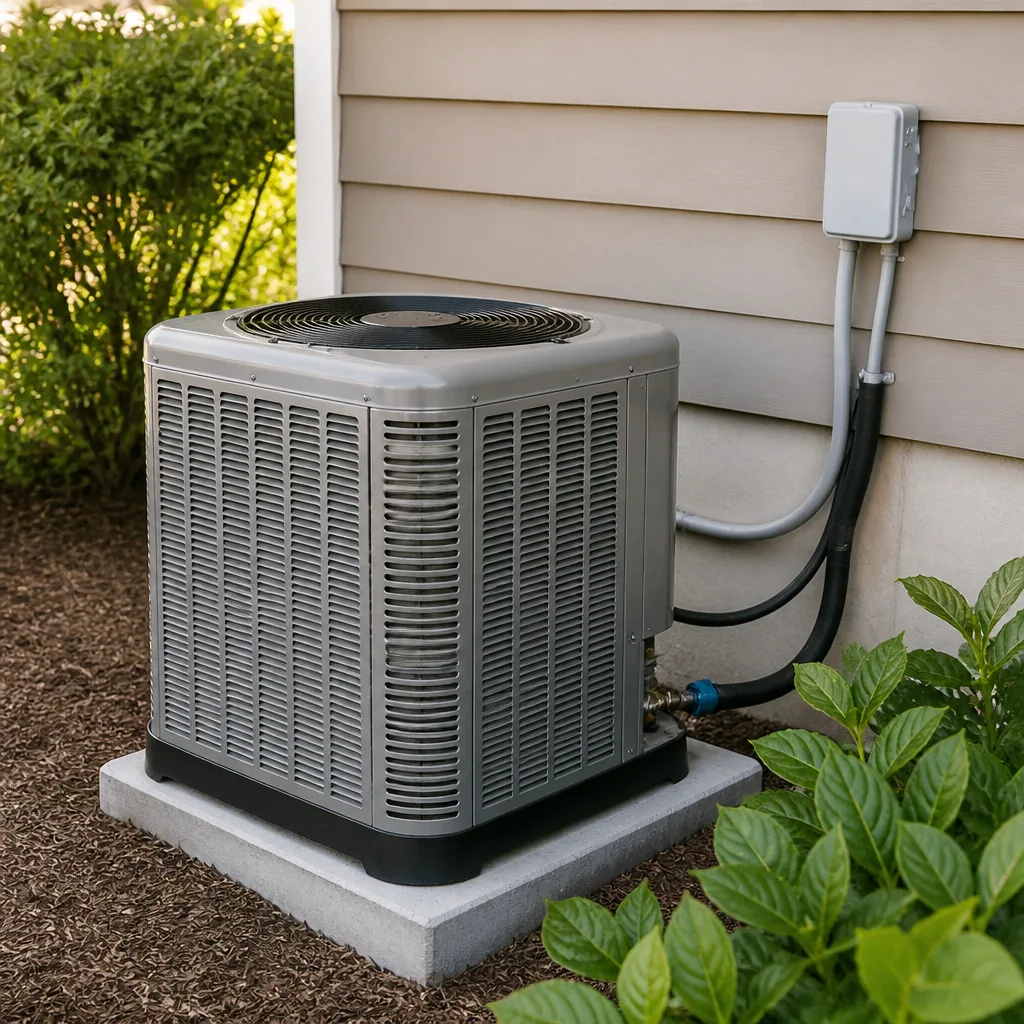 AC repair
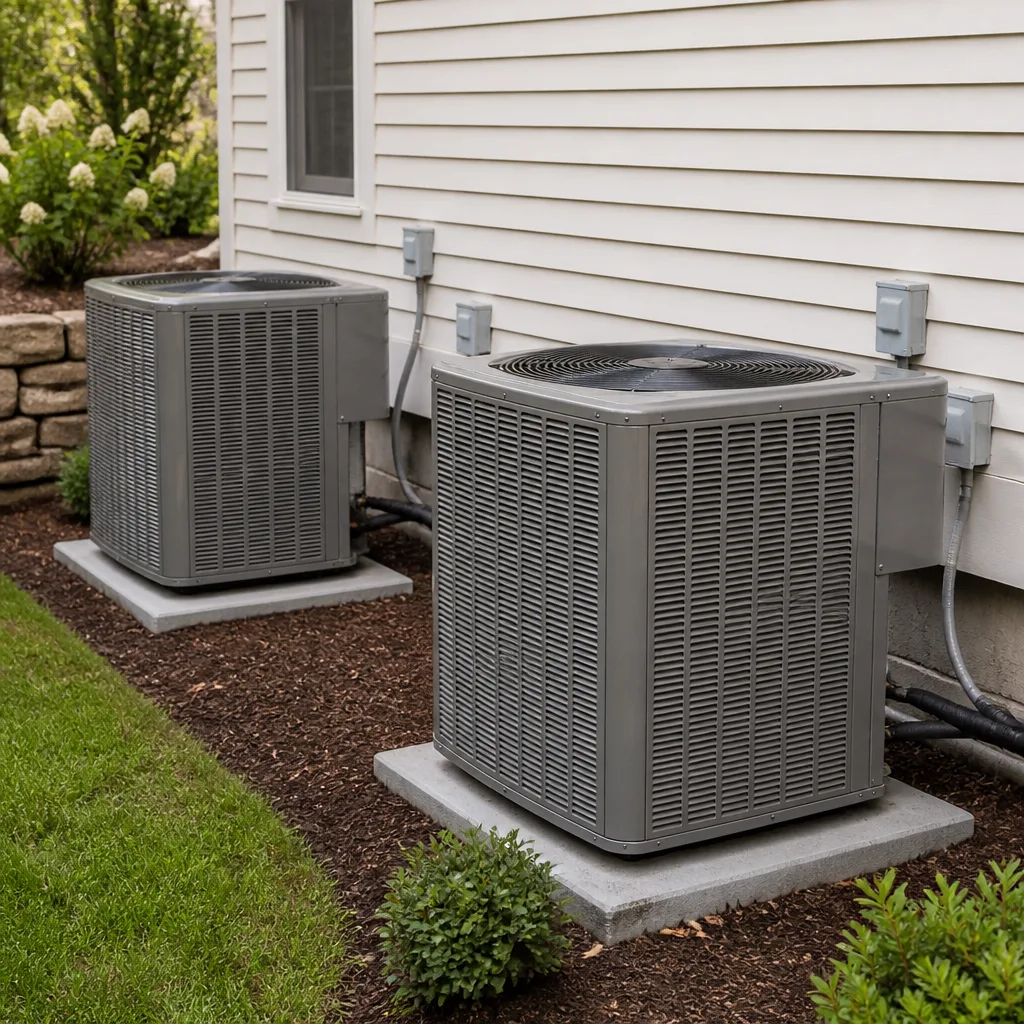 Heat pumps
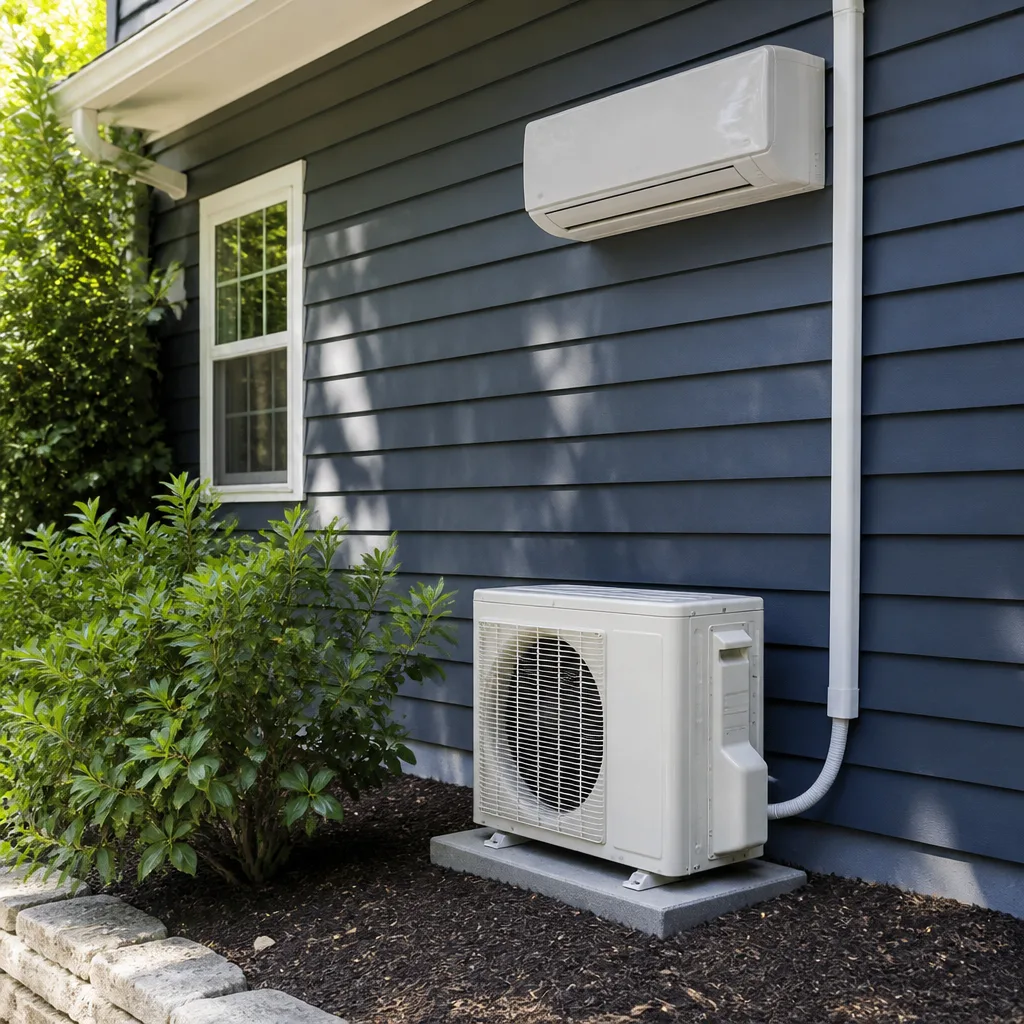 Ductless mini splits
 Carrier
 Trane
 Goodman
Seasonal tune-up and full diagnostic on your Carrier, Trane, or Goodman system - readings shown to you before any repair is proposed
Diagnosis first, numbers second - you approve the repair price before a single part goes in.
Get your free estimateThe Complete Furnace Replacement Guide for League City Homeowners
Most furnace replacement guides are written for homeowners who spend five months a year below freezing. That playbook doesn’t fit League City. Here, a furnace runs for a small slice of the year, which means the usual advice about chasing the highest efficiency rating or buying the biggest unit can quietly steer you toward equipment that costs more and performs worse in our climate. The right furnace for a League City home is sized for a light heating load, plays well with your existing air conditioning, and tolerates Gulf Coast humidity. This guide walks through what actually matters: sizing, dual-fuel options, permits, timing, and how to know whether a furnace swap or a full system replacement is the smarter move.
Quick Answer
A furnace replacement in League City usually makes sense when your existing unit is failing, past its service life, or costing more to repair than it’s worth, and the right replacement is one sized to our mild heating load rather than a cold-climate spec. Expect a written fixed-price estimate, a scheduled install date, and a unit chosen for humidity tolerance and compatibility with your air conditioning. Because our heating season is short, the equipment decisions here differ from what you’d make up north, and getting sizing right matters more than chasing the top efficiency number.
Styles & brands we work with
- AC repair
- Furnace & heating
- Heat pumps
- Ductless mini splits
- Carrier
- Trane
- Goodman
Table of Contents
- Why Furnace Replacement in League City Is Different
- AFUE Ratings vs. What Actually Matters Here
- How to Right-Size a Furnace for a Gulf Coast Heating Load
- Permits and Inspection in League City and Galveston County
- Timing Your Replacement: Spring and Early Fall
- Standalone Furnace Swap vs. Full System Replacement
- How a Typical Replacement Job Goes
- What Furnace Replacement Costs in League City
- Common Mistakes to Avoid
- When to Call a Professional
- Frequently Asked Questions
Why Furnace Replacement in League City Is Different
League City averages fewer than 25 heating days a year where temperatures drop below 40°F. That single fact reshapes almost every decision a homeowner faces here. In a cold climate, a furnace runs hard for months and efficiency gains pay back fast. In League City, the furnace is a supporting player. Your air conditioner is the workhorse, and the furnace mostly handles the short cold snaps that roll through between December and February.
That changes the priorities. Here’s what a League City homeowner should weigh most heavily:
- Sizing accuracy over capacity. An oversized furnace short-cycles through our brief heating season, which wastes energy and stresses the equipment. A properly sized unit runs long enough to heat evenly and last longer.
- Humidity tolerance. Gulf Coast air is humid most of the year. Equipment and ductwork that handle moisture well last longer and keep the home more comfortable.
- Dual-fuel and AC compatibility. Because your cooling system carries most of the load, a furnace that pairs cleanly with your existing air handler or a heat pump is often the smart choice.
- Service life over headline efficiency. A mid-range unit that’s sized and installed correctly will often outlast a premium unit that’s oversized and rushed in.
Contractors who apply a northern playbook to a League City home tend to over-spec the furnace, pushing higher-capacity and higher-efficiency equipment than the house needs. You pay for capability you’ll never use. When we work on a furnace in League City, the first question isn’t “what’s the biggest unit this house can take” – it’s “how much heat does this home actually lose on our coldest nights.”
AFUE Ratings vs. What Actually Matters Here
AFUE (Annual Fuel Utilization Efficiency) measures how much of the fuel a furnace converts to heat. A higher rating means less waste. In a cold climate, that difference adds up over a long heating season. In League City, where the furnace runs for a fraction of the year, the payback on a premium-efficiency unit stretches out much further, and the incremental cost may never return through fuel savings alone.
That doesn’t make AFUE irrelevant. It makes it one factor among several. Here’s how we’d rank the considerations for a League City furnace replacement:
- Correct sizing. A right-sized unit at a moderate efficiency beats an oversized high-efficiency unit every time in this climate.
- Compatibility with your cooling system. If your air handler or heat pump has years left, the furnace needs to match it. Dual-fuel setups, where a heat pump handles mild days and the furnace kicks in on colder ones, are common and worth discussing here.
- Humidity and moisture handling. Ductwork and equipment that manage Gulf Coast humidity well protect both comfort and service life.
- AFUE rating. Worth considering, especially if you plan to stay in the home a long time, but not the lead decision.
- Brand and parts availability. A unit from a well-supported manufacturer is easier to service down the road.
We work on whatever system you have, and we’re trained across nine major brands, including Carrier, Trane, Bryant, and American Standard. That matters here because the honest answer on efficiency depends on your house and your existing equipment, not on which brand pays the biggest spiff. Nine brands, one company means we can recommend the tier that fits your situation rather than steering you toward a single manufacturer’s top line.
How to Right-Size a Furnace for a Gulf Coast Heating Load
Right-sizing means matching the furnace’s output to the actual heat loss of your home, not to a rule of thumb based on square footage. In a cold climate, contractors often size up for safety margin because the furnace runs constantly. In League City, that habit produces oversized units that short-cycle and never reach their efficient operating range.
A proper sizing process includes a few concrete steps:
- A room-by-room heat load calculation. This accounts for window area, insulation, ceiling height, and how much of the home is shaded or exposed. It’s the foundation of correct sizing.
- An assessment of your existing ductwork. Ducts that are undersized or leaking will undermine even a perfectly sized furnace. Sealing and balancing often matter as much as the equipment.
- A review of your cooling system. Because your AC does most of the work here, the furnace needs to integrate with it cleanly, whether that’s a conventional setup or a dual-fuel arrangement.
- A conversation about how you actually live. How many rooms you heat, whether you spend winters elsewhere, and how cold you keep the thermostat all inform the recommendation.
A contractor who quotes a furnace over the phone based on square footage alone is guessing. In our experience, the oversizing problem is common in this market precisely because so much HVAC advice gets imported from colder regions. If a quote comes with a capacity that seems generous for a League City home, ask how it was calculated. The answer tells you a lot.
Permits and Inspection in League City and Galveston County
Furnace replacement in League City generally requires a permit, and the work is inspected afterward. The exact requirements and fees are set by the city and county, so the reliable move is to confirm with League City’s building department before work begins, or to make sure your contractor does. A furnace is a fuel-burning appliance with venting and gas connections, and inspections exist to confirm the installation is safe and code-compliant.
Here’s what to expect through the process:
- Permit application. Your contractor typically pulls the permit, listing the equipment and the scope of work.
- Installation. The old unit comes out, the new one goes in, and gas, venting, and electrical connections are made to code.
- Inspection. A city or county inspector confirms the installation meets requirements. This can happen after the job is complete or in stages, depending on the scope.
- Final sign-off. Once the inspection passes, the permit is closed.
Why does this matter to you as a homeowner? An unpermitted installation can create problems when you sell the home, and it can void manufacturer warranties if the install doesn’t meet code. When you get a furnace replacement quote in League City, ask plainly whether the permit is included and who pulls it. A straight answer is a good sign. If a contractor suggests skipping the permit to save time, that’s a warning worth heeding. Requirements do change, so confirm the current rules with the city rather than relying on what was true a few years ago.
Timing Your Replacement: Spring and Early Fall
The best time to replace a furnace in League City is usually spring or early fall, before the first cold snap and outside the peak heating and cooling rush. Two things happen then: contractors have more availability, and you’re not competing with every other homeowner whose system just failed. That extra breathing room often means a more thorough job and, sometimes, better pricing from contractors looking to fill their schedules.
There’s a second reason timing matters here. Because our heating season is short, a furnace failure in the middle of a cold snap leaves you scrambling along with everyone else. Planning the replacement before the unit fails – while you can still compare options and get a written fixed price – is the calmer path.
A practical way to think about it:
- Schedule an assessment before the heating season. A technician can tell you how much life your furnace realistically has left.
- Get the estimate in writing. A fixed-price estimate from a scheduled assessment is far easier to compare than an emergency quote.
- Book the install date. Spring and early fall give more latitude on scheduling.
- Let the technician handle the paperwork. Permits, inspections, and any manufacturer registration get handled as part of the job.
If your furnace has already failed, that’s a different situation, and speed matters. Call and we’ll get a technician out to assess it. For planned work, though, the spring and early-fall window is worth planning around.
Standalone Furnace Swap vs. Full System Replacement
One of the biggest decisions in a League City furnace replacement is whether to swap just the furnace or replace the whole system. The answer usually comes down to the age and condition of your air handler and AC. Because your cooling system carries most of the load here, its condition is the deciding factor.
Consider a full system replacement when:
- Your air handler or AC is roughly the same age as the furnace and nearing the end of its service life.
- Your cooling equipment uses an older refrigerant type that’s becoming harder and more expensive to service.
- You’re already facing a major AC repair in the near future.
- You want the efficiency and warranty benefits of matched equipment.
A standalone furnace replacement makes sense when your air handler and AC are newer and in good shape, and the furnace alone has failed or aged out. Swapping just the furnace keeps costs down and avoids replacing equipment that still has years left.
This is where a company that handles both heating and cooling earns its keep. If you call a furnace-only contractor, the recommendation skews toward a furnace swap. If you call an AC-only contractor, the lens shifts the other way. We do both, so the recommendation you get is shaped by what your system actually needs. If you’ve been weighing a bigger project, our guide to AC installation walks through the cooling side, which pairs naturally with a furnace decision. Heating and cooling handled together means no coordinating between two contractors and no gaps in accountability.
How a Typical Replacement Job Goes
A furnace replacement usually takes a focused part of a day, though the exact timeline depends on the scope, whether ductwork or venting changes are needed, and whether a full system is being replaced. Understanding the sequence helps you plan and know what to expect from the crew working in your home.
- Assessment and estimate. A technician evaluates your current furnace, ductwork, and cooling system, then provides a written fixed-price estimate. This sets the final price.
- Permit and scheduling. The permit gets pulled and an install date is set. For planned work, this is where the spring or early-fall timeline helps.
- Removal. The old furnace is disconnected and removed, and the area is prepped.
- Installation. The new unit is set, and gas, venting, and electrical connections are made to code. Ductwork adjustments happen here if needed.
- Testing and balancing. The system is run and checked for proper operation, airflow, and safe venting.
- Inspection. The city or county inspector confirms the installation meets requirements.
Our technicians have up to 12 years of experience, and they’ve worked on furnaces across every major brand in this market. That experience matters most when a home has an older or unusual setup, which is common in established League City neighborhoods. If your furnace is acting up rather than failing outright, our furnace repair service can often keep it going longer and buy you time to plan the replacement on your terms.
What Furnace Replacement Costs in League City
Furnace replacement cost in League City depends on the size of the home, the efficiency tier you choose, whether ductwork needs work, and whether you’re replacing the furnace alone or the full system. We don’t publish a single number because the written estimate is what sets the final price, and it’s free. What we can do is explain what drives the cost so you can compare estimates intelligently.
The main cost factors are:
- Equipment tier. Budget, mid-range, and premium lines differ in price and service life. Goodman sits toward the budget end, while Trane and Lennox sit toward the premium end; brands like Carrier, Bryant, and American Standard land across the middle. We carry and service all of them, so the conversation stays about what fits your home.
- Home size and heating load. A larger home with more heat loss needs a larger unit, which costs more.
- Ductwork condition. Sealing, repairing, or modifying ducts adds to the job. Skipping this step can undercut the new furnace’s performance.
- System scope. A standalone furnace swap costs less than a full system replacement. The right choice depends on the age of your air handler and AC.
- Venting and connections. Some installations require venting changes or upgraded gas connections to meet code.
Every estimate we provide is written and fixed for the job, so the price you’re quoted is the price you pay for that scope of work. If a quote you receive is vague or verbal, ask for it in writing with the equipment model listed. That’s the only fair way to compare two estimates side by side.
Common Mistakes to Avoid
- Buying the biggest furnace you can afford. In League City’s short heating season, an oversized unit short-cycles, wastes energy, and wears out faster. Right-sizing beats raw capacity every time.
- Chasing the highest AFUE rating without doing the math. Premium efficiency pays back slowly in a mild climate. Make sure the incremental cost is worth it for how you actually heat your home.
- Skipping the heat load calculation. A quote based on square footage alone is a guess. Ask how the capacity was determined before you sign.
- Ignoring the air handler and AC. Because your cooling system does most of the work here, pairing a new furnace with aging cooling equipment can create mismatches and missed savings. Check the age of both.
- Skipping the permit. Furnace replacement in League City generally requires a permit and inspection. An unpermitted install can complicate a future sale and affect warranties.
- Replacing in an emergency when you could have planned. A furnace failure in a cold snap forces rushed decisions. Planning the replacement in spring or early fall gives you leverage.
- Accepting a verbal estimate. Get a written fixed-price estimate with the equipment model and scope spelled out. That’s the document that protects you.
When to Call a Professional
Furnace replacement involves gas connections, venting, and electrical work. These are genuinely hazardous components, and licensing and code compliance matter for your safety and your home’s value. Don’t attempt gas or venting work yourself; a trained professional should handle it. Call us when your furnace is failing or already out, when it’s past its service life and you want an honest assessment, when repairs are stacking up faster than they used to, or when you’re ready to plan a replacement in spring or early fall and want a written fixed price. We work on whatever system you have, across nine major brands. Hartwell AC Repair offers free estimates in League City – call (866) 412-4707. We answer 24/7. Fast dispatch from 7am to 7pm, Sunday through Friday. If you’d like to learn more about how we work, start at Hartwell AC Repair.
Frequently Asked Questions
There’s no single price because cost depends on home size, equipment tier, ductwork, and whether you replace the furnace alone or the full system. The free written estimate sets the final price, so it’s the number that actually matters. Call (866) 412-4707 for an exact quote – estimates are free.
Furnace replacement in League City generally requires a permit and a post-install inspection. The exact requirements and fees are set by the city and county, so confirm with League City’s building department or make sure your contractor does. A permitted job protects your warranty and avoids issues down the road.
Your furnace should be sized to your home’s actual heat load, not to a square-footage rule of thumb. Because our heating season is short, an oversized furnace is a common and costly mistake here. A proper heat load calculation, done room by room, gets the sizing right.
That depends mostly on the age and condition of your air handler and AC. If they’re nearing the end of their service life, a full system replacement often makes more sense; if they’re newer and in good shape, a standalone furnace swap is the practical choice. We assess both sides and give you a straight answer.
Spring and early fall are typically the best windows in League City. Contractor availability is better, you can compare options without the pressure of a cold snap, and you get a written fixed price in advance. If your furnace has already failed, call and we’ll get a technician out sooner.
Call (866) 412-4707 and we’ll assess it as quickly as we can; same-day service is available depending on the day and schedule. We answer 24/7. A call outside dispatch hours is booked into the next opening, Sunday through Friday, 7am to 7pm.
The Bottom Line
League City’s mild winters and short heating season flip the usual furnace replacement playbook. Right-sizing, humidity tolerance, and compatibility with your cooling system matter more than the highest efficiency rating or the biggest unit. Expect a permit and inspection, plan the work for spring or early fall when you can, and decide between a standalone furnace swap and a full system replacement based on the age of your air handler and AC. Get a written fixed-price estimate, compare it on equipment model and scope, and don’t accept a square-footage guess. We work on whatever system you have, across nine major brands. Call (866) 412-4707 for a free estimate. We answer 24/7. Fast dispatch from 7am to 7pm, Sunday through Friday.
Written by the team at Hartwell AC Repair.
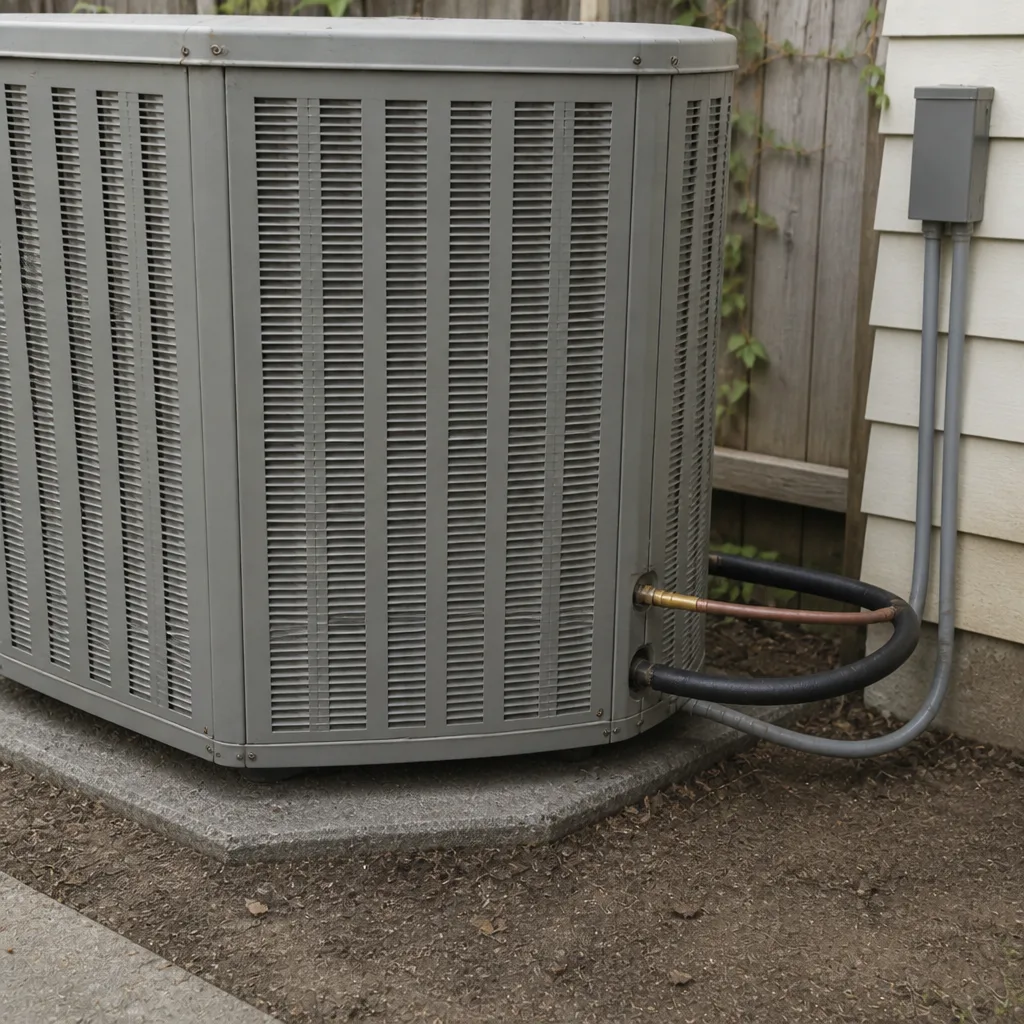
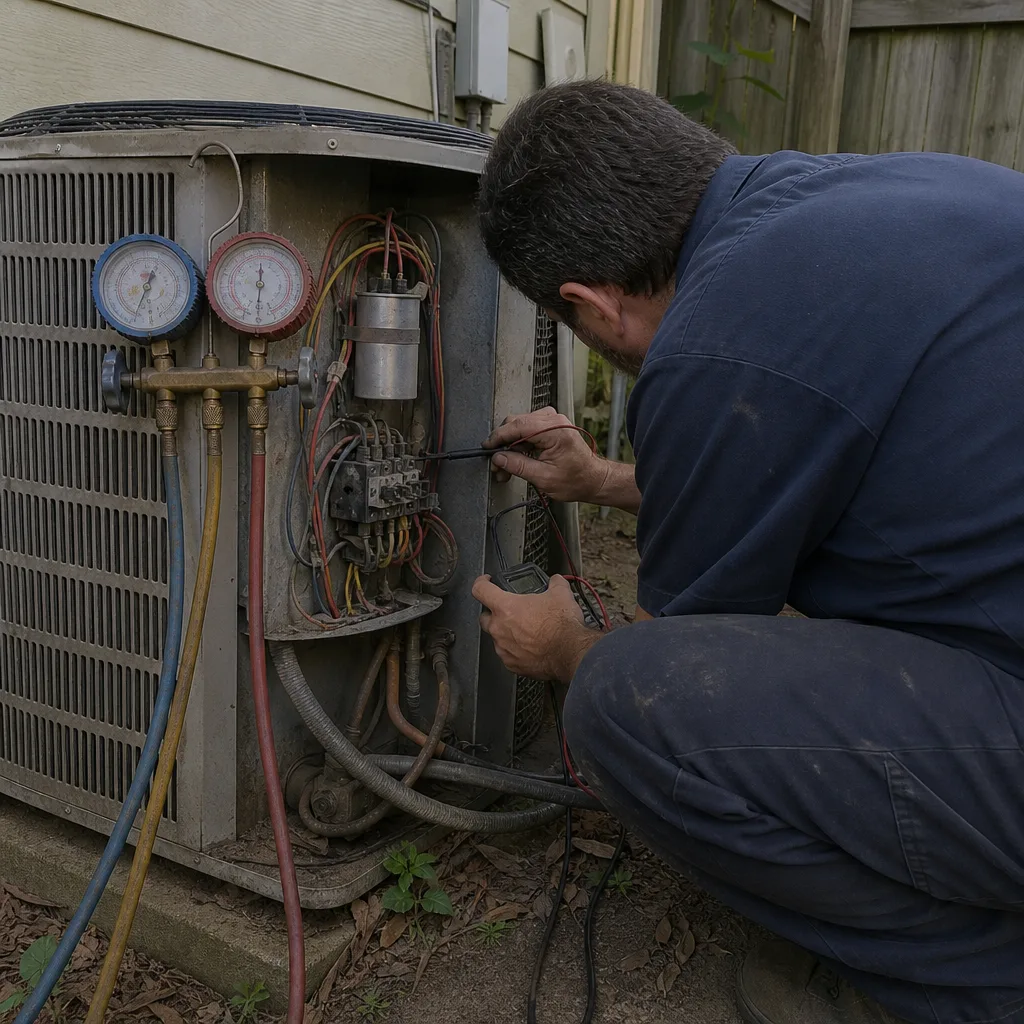
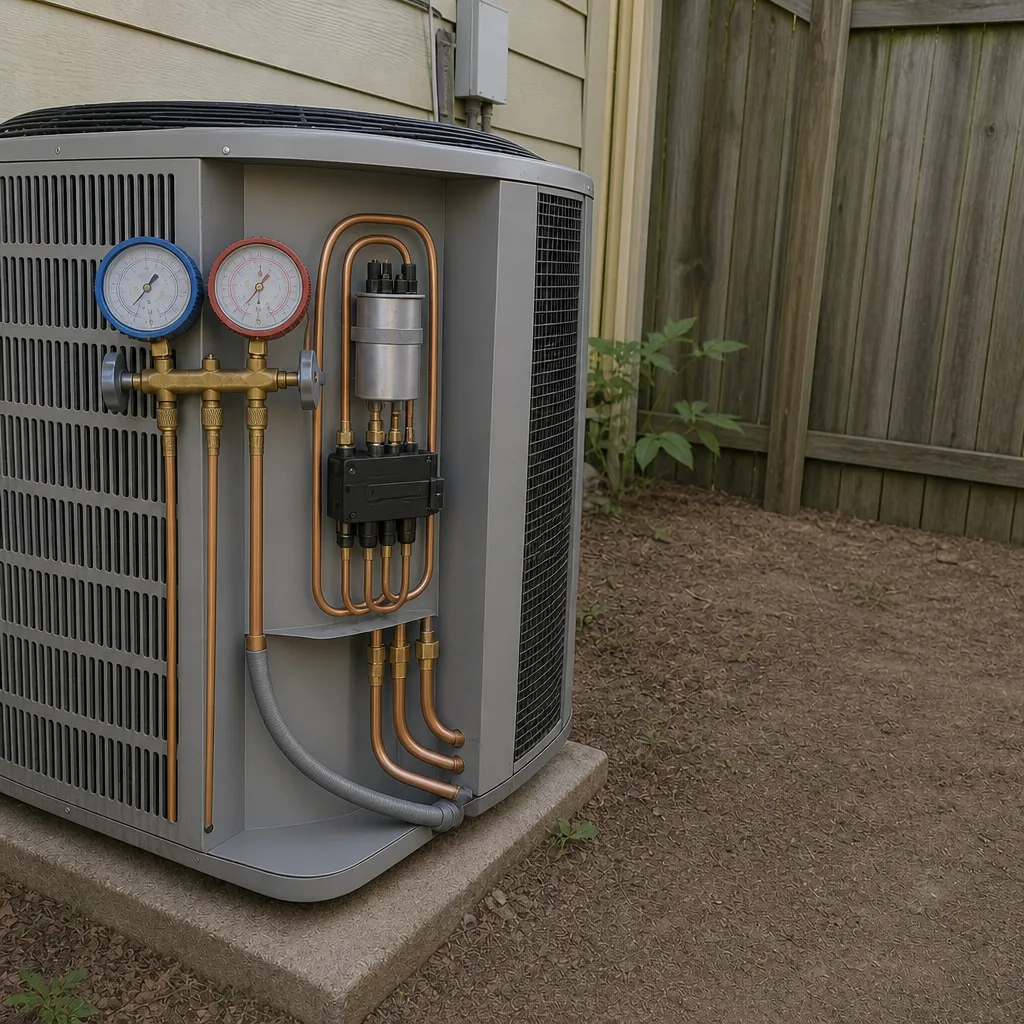
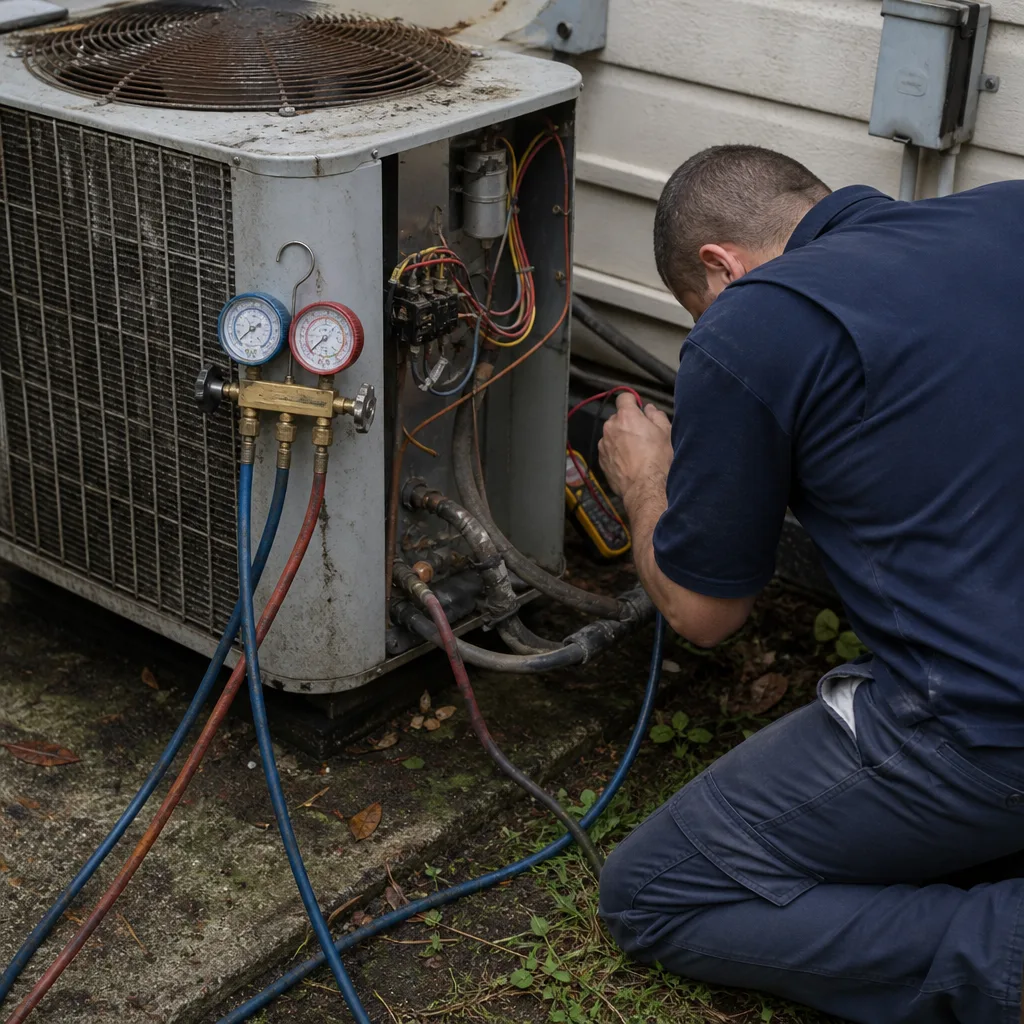
See the difference
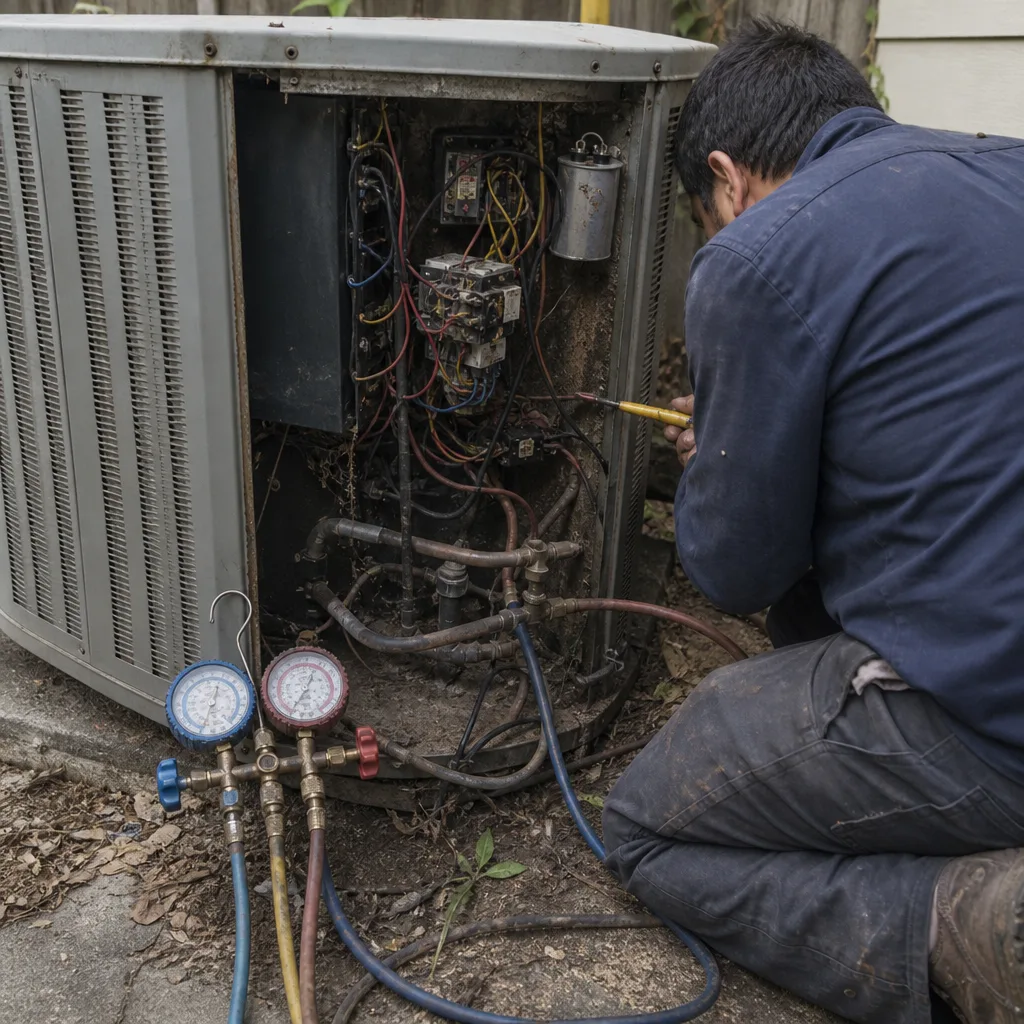 Before
 After
 Before
 After
 Before
 After