
Last updated November 15, 2026
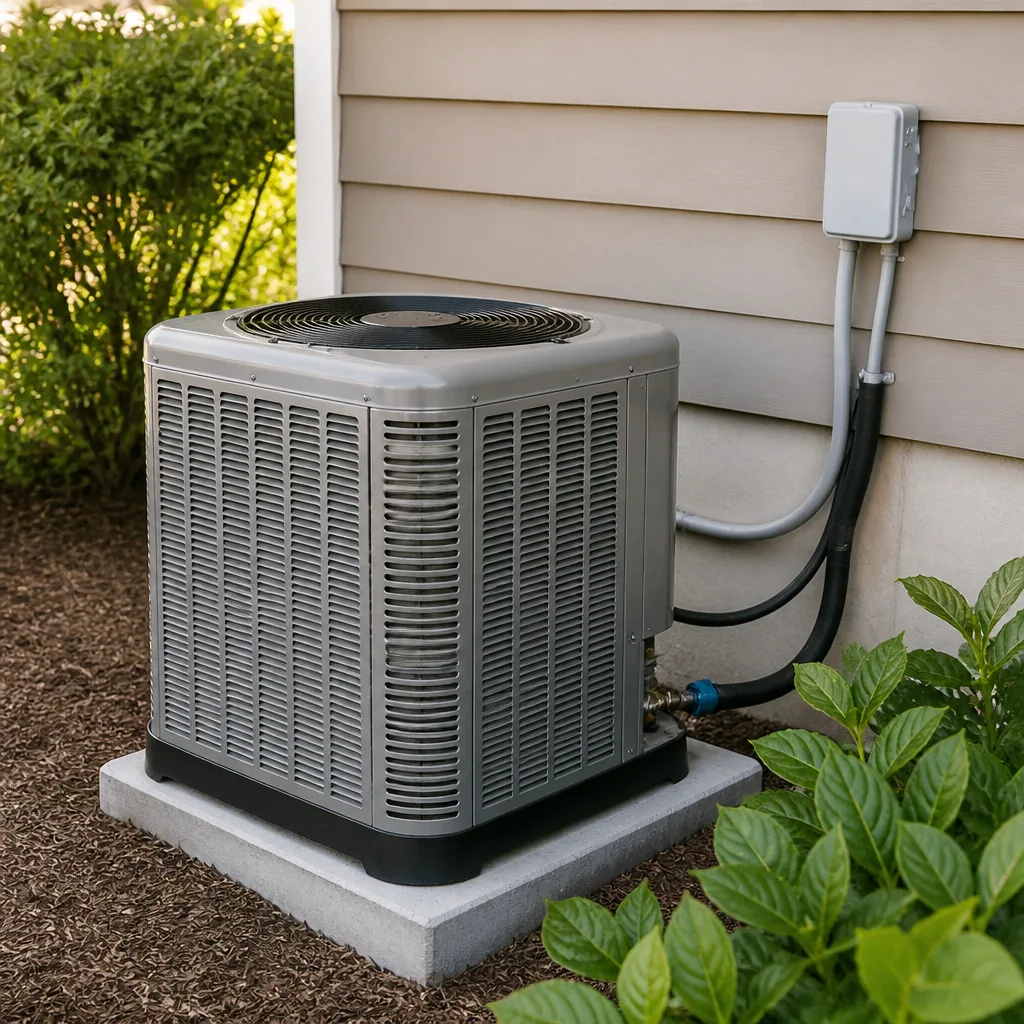 AC repair
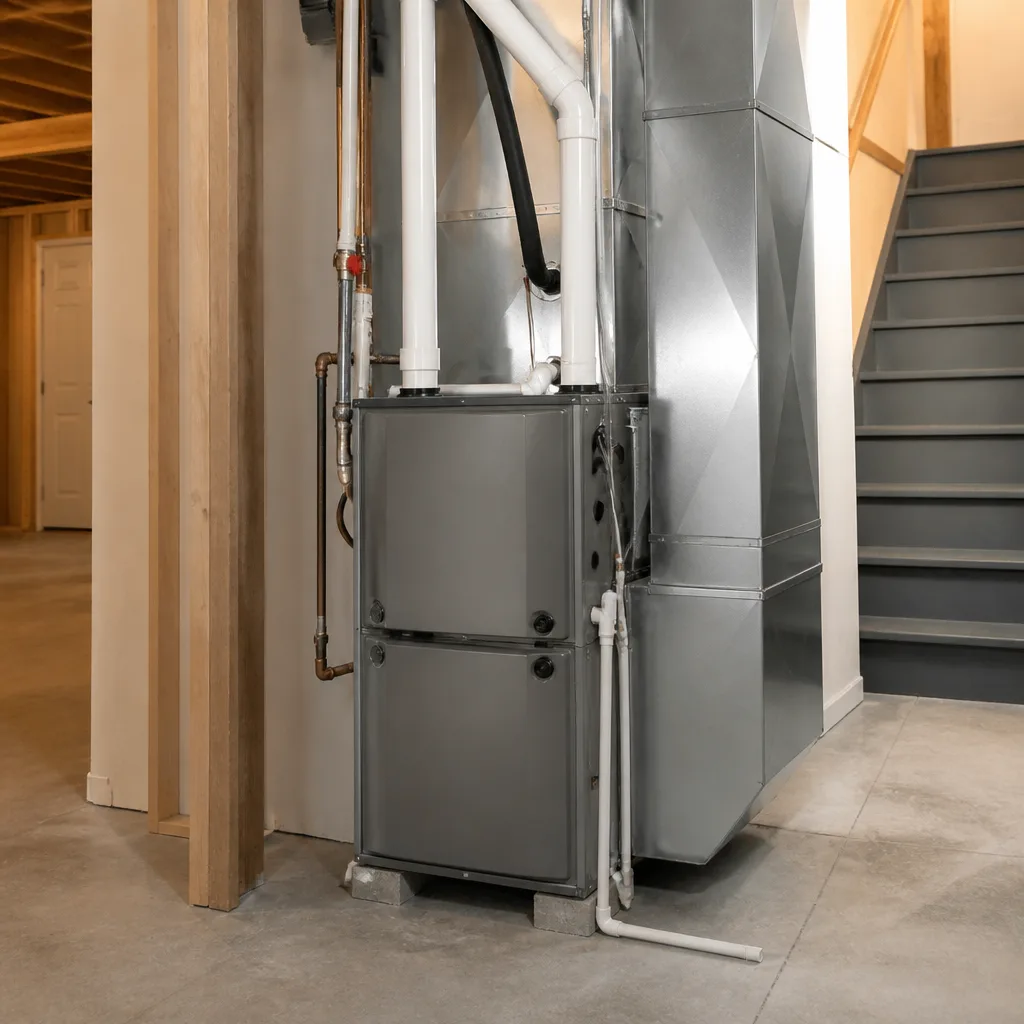 Furnace & heating
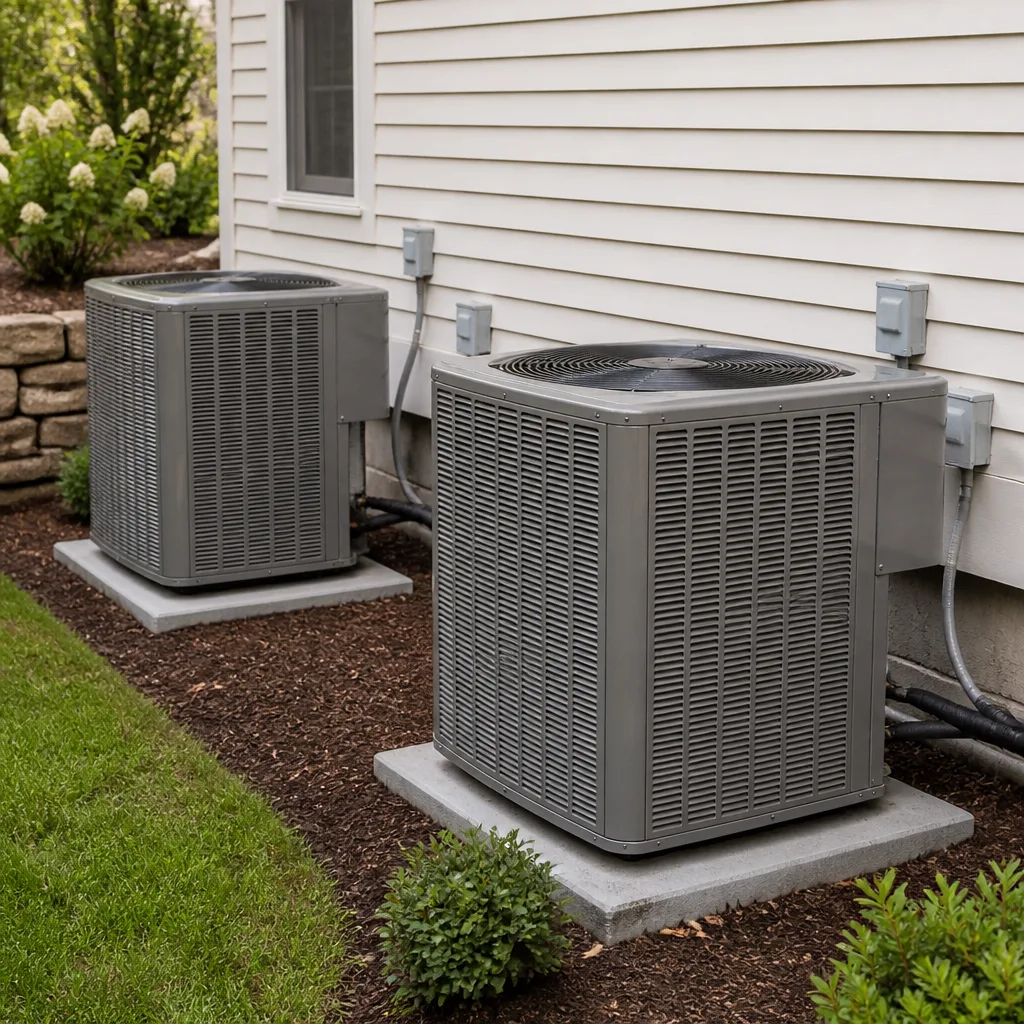 Heat pumps
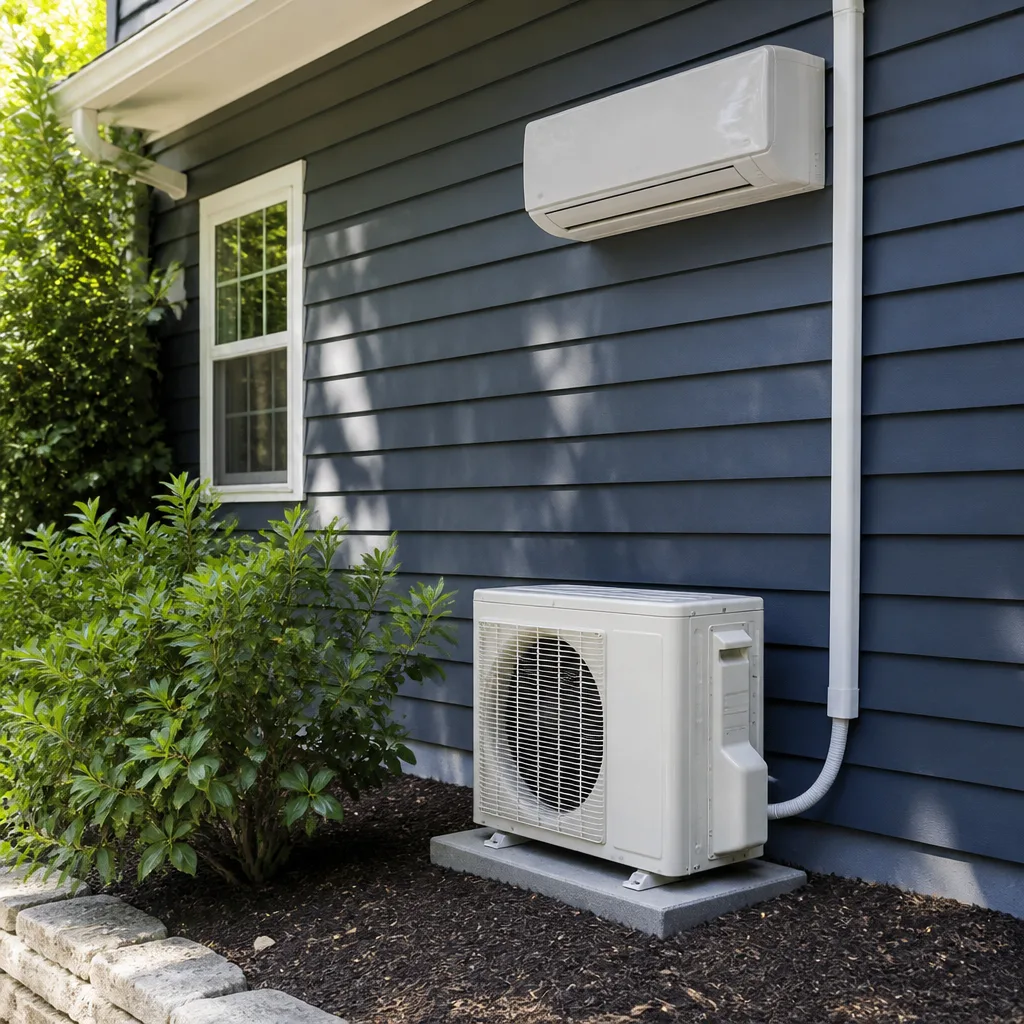 Ductless mini splits
 Carrier
 Trane
 Goodman
Seasonal tune-up and full diagnostic on your Carrier, Trane, or Goodman system - readings shown to you before any repair is proposed
Diagnosis first, numbers second - you approve the repair price before a single part goes in.
Get your free estimateHVAC Permits, Codes & Inspections in League City, TX: What You Need to Know
Here’s the part most homeowners get backwards: the riskiest HVAC work isn’t the job that failed inspection. It’s the job that never got inspected at all. A system swapped out without a permit can heat and cool a house perfectly for years, and then quietly surface during a home sale, an insurance claim, or a refinance appraisal as a problem that costs more to untangle than the permit ever would have cost to pull. Texas homeowners run into this more than they expect, and the fix is rarely as simple as “just get it inspected now.” In this guide, we’ll walk through exactly which HVAC jobs in League City need a permit and which don’t, how the inspection stages work, what happens if unpermitted work turns up after a storm loss, and how to retroactively permit a system before you list your home.
Quick Answer
In League City, TX, a full HVAC system replacement or a new installation requires a mechanical permit and inspections, while a straight repair (replacing a compressor, a motor, a capacitor, or repairing a refrigerant leak on existing equipment) generally does not. Permits are issued through the city’s building department, and work in Galveston County flood zones can add elevation and floodplain review to an otherwise routine HVAC project. The permit itself is inexpensive compared to what an unpermitted system can cost you at resale or claim time.
Styles & brands we work with
- AC repair
- Furnace & heating
- Heat pumps
- Ductless mini splits
- Carrier
- Trane
- Goodman
Table of Contents
- Where the Line Sits: Repair vs. Replacement in League City’s Definition
- How League City’s Permit Process Meets Galveston County Flood Requirements
- What Happens to an Insurance Claim When Unpermitted HVAC Work Is Discovered
- The Inspection Stages for a New Installation and What Inspectors Look For
- How to Retroactively Permit HVAC Work Before Listing Your Home
- Which Codes and Standards Apply to a League City HVAC Install
- How to Choose a Contractor Who Handles the Permit Correctly
Where the Line Sits: Repair vs. Replacement in League City’s Definition
Most homeowners assume “repair” and “replacement” are obvious categories. They aren’t, and the gap between them is where permit problems start. In League City, the practical dividing line is whether the work changes the mechanical system itself or simply restores an existing component. Swapping a failed compressor, a blower motor, a contactor, or a capacitor on equipment that stays in place is a repair, and repairs on existing residential HVAC systems typically don’t require a mechanical permit. Once you’re removing a condensing unit, an air handler, or a furnace and setting new equipment, you’ve crossed into replacement, and replacement almost always needs a permit.
The area that trips people up most is partial replacement. A homeowner replaces only the outdoor condensing unit and keeps the indoor coil. That’s still a replacement of one-half of the system, and a mechanical permit is usually required. Same with an air handler swap on an existing outdoor unit, or a furnace changeout where the ductwork stays. The system’s core equipment changing is the trigger, not how much of the system changes. We’ve seen homeowners get talked into “partial replacements” that skip the permit because the contractor framed it as a repair. That framing is a warning sign.
What usually does require a mechanical permit in League City:
- Full system replacement (condensing unit plus indoor coil or air handler)
- Furnace replacement, including a straight changeout of the same size
- New installation in new construction or an addition
- Duct system replacement or major modifications to the duct layout
- Adding a zone, a mini-split, or a second system to an existing home
- Any change to the refrigerant type used by the system
What usually does not require a mechanical permit:
- Repairing or replacing a single component on existing equipment (compressor, motor, capacitor, contactor, board, thermostat)
- Refrigerant recharge or leak repair on a system that stays in place
- Cleaning, tune-ups, and filter changes
- Thermostat replacement where no new wiring is run
Because codes get updated and the city’s interpretation can shift, always confirm the specific job against the city’s current requirements before proceeding. A contractor who handles permits as routine will know the answer without hesitation, and if they don’t, that tells you something about how the whole job will go.
How League City’s Permit Process Meets Galveston County Flood Requirements
League City sits in Galveston County, and a meaningful share of homes here are in or near designated flood zones. That matters for HVAC work more than most homeowners realize. When a mechanical permit is filed for a home in a mapped flood zone, the project can trigger floodplain review on top of the standard mechanical inspection. The review isn’t trying to stop the HVAC work. It’s checking that the equipment placement and any exterior pads or platforms comply with the area’s elevation and floodplain standards.
In practice, this affects a project in a few ways:
- Equipment placement gets scrutinized. A new condensing unit set at grade on a pad may need to be raised on a platform if the floodplain rules for that parcel require it.
- Furnace and air handler locations get reviewed in homes where the equipment sits in an attic or on the ground floor. Placement above the base flood elevation for the parcel is the type of detail the floodplain reviewer will look at.
- Electrical disconnects, condensate lines, and any exterior penetrations can be part of the review scope, not just the mechanical equipment itself.
- Timelines extend. A permit that would otherwise clear with a single mechanical inspection can stretch longer when floodplain review is part of the packet.
We mention this because homeowners in League City sometimes get a bid that ignores floodplain review entirely, then get surprised when the city’s plan review comes back with comments. The good news is that it’s manageable when the contractor plans for it from the start. Ask the contractor up front, in writing, whether they’ve checked the parcel’s flood zone status. If they can’t tell you what flood zone the home is in, that’s a real problem for a project of this scope.
For homes outside mapped flood zones, the process is more straightforward. But Galveston County’s flood maps get updated periodically, and a parcel that wasn’t in a flood zone at the last map revision may now be. A quick check of the current FEMA flood map for the address, done through the city or the county, settles it before the permit is filed.
What Happens to an Insurance Claim When Unpermitted HVAC Work Is Discovered
After a hail event, a windstorm, or a house fire, homeowners file claims expecting the adjuster to cover the loss. What they don’t expect is an adjuster who notices that the HVAC system was recently installed with no permit on record. It happens, and it complicates the claim. An insurance policy is a contract about a described property, and insurers can decline to cover, or significantly reduce coverage for, systems that weren’t installed to current code or weren’t documented. Even when the insurer covers the loss, unpermitted equipment introduces a second question: was the system installed correctly in the first place?
The adjustment process usually plays out along a few paths:
- The adjuster asks for the permit record. If a permit was pulled and inspections closed, the claim proceeds normally for that system.
- The adjuster finds no permit and no inspection. The insurer may request a retroactive inspection, or may exclude some of the HVAC replacement cost from the payout.
- The retroactive inspection reveals work that doesn’t meet code. The insurer may treat the system as pre-existing non-compliant, and any correction cost can fall to the homeowner rather than the policy.
- The claim is denied for the HVAC portion. This is the worst outcome and usually driven by a pattern of unpermitted work, not a single missing permit.
The key point is that a permit isn’t paperwork for the city’s benefit. It’s a paper trail that proves the work happened to code at a known point in time, and that’s exactly the record an insurer wants to see when they’re writing a check for a burned-out furnace or a hail-dented condensing unit. If your system was installed recently and you don’t have a permit record, ask the contractor who did the install for the permit number and inspection sign-off. If they can’t produce it, you have your answer about whether it was permitted.
The Inspection Stages for a New Installation and What Inspectors Look For
A new HVAC installation in League City doesn’t get a single inspection. It gets a sequence, and each stage has a defined scope. Skipping or combining stages is the most common source of inspection failures. Here’s how a typical full-system replacement gets inspected, and what the inspector is looking for at each stage.
Stage 1: Rough-In Inspection
This happens before the new equipment is set and before walls or ceilings close up on any new penetrations. The inspector is looking at the physical readiness of the installation. What gets checked:
- The refrigerant lines, condensate drain, and electrical connections are run to the right places
- The equipment platform or pad is in place and meets the elevation requirement for the parcel
- Duct connections at the new air handler or furnace are routed correctly
- Combustion air and venting for a gas furnace meet code for the installation location
Stage 2: Equipment and Gas Rough Inspection
For a gas furnace, this stage is where the gas piping and combustion venting get looked at before any finish work. The inspector checks that the gas line is properly sized, that the shutoff is accessible, and that the venting terminates safely. Faulty venting on a gas furnace is a genuine safety concern, not a paperwork technicality, and inspectors treat it accordingly. If you ever smell gas near a furnace or see unusual venting conditions, don’t troubleshoot it yourself. Turn the gas off at the meter if you can do so safely and call a trained professional.
Stage 3: Final Inspection
The final is the full-system sign-off. By this point the equipment is running, the refrigerant charge is set, airflow is measured, and the installation is complete. What the inspector covers:
- The installed equipment matches the permitted equipment (model numbers and tonnage are on the permit)
- Refrigerant lines are properly insulated and supported
- The condensate drain is properly trapped and routed
- The electrical disconnect is installed and accessible
- The furnace venting terminates per code
- The equipment is operational and accessible for future service
- The permit card is signed off and closed on the city’s record
Once that final is signed off, you have a closed permit on record. That’s the piece of paper that matters at resale and at claim time. Hold onto it, along with the equipment manuals and the contractor’s invoice.
How to Retroactively Permit HVAC Work Before Listing Your Home
If you’re about to list a home in League City and you’re not sure whether the HVAC system was permitted, deal with it before the listing goes live. Retroactive permitting is a real process and it’s usually workable, but it costs time, and time is exactly what you don’t have once you’re under contract. Here’s how it typically goes.
- Request the permit history for the address. The city’s building department keeps records by address. A permit search shows whether a mechanical permit was ever pulled for the HVAC work.
- Have the current system inspected by a licensed contractor. The contractor documents the install, verifies the equipment model and tonnage against what’s actually there, and identifies anything that doesn’t meet current code.
- Apply for a retroactive (sometimes called “after-the-fact”) permit. The city’s building department directs you through this. The application typically includes the contractor’s documentation and the homeowner’s authorization.
- Correct anything that fails the code check. A retroactive permit doesn’t wave work through. If the original installation didn’t meet current code, the corrections have to happen before the permit will pass.
- Complete the inspection. The system gets inspected under the current code, then the permit is closed and the record is updated.
Timelines vary with the city’s inspection schedule and how much correction the installation needs. A system that was installed correctly but never permitted typically closes out faster than one that needs physical corrections. Budget for both the permit fee and, if corrections are needed, the cost of that work, before you make assumptions about whether the process is worth it.
If the original contractor is still around, they may be the easiest party to help close out the retroactive permit, because they have the original install records. But if that contractor can’t be reached, a different licensed contractor can usually take on the retroactive permit. We do this for homeowners who bought a home in League City where the previous owner’s install was never permitted. It’s not the fun part of the work, but it’s the part that saves a deal.
Which Codes and Standards Apply to a League City HVAC Install
The codes that govern residential HVAC in League City are drawn from the model codes that most Texas cities adopt and then amend locally. An installation is reviewed against the mechanical code in effect at the time the permit is issued, and that’s the standard the inspector applies. If a system was installed years ago under an earlier code edition but is only now being permitted retroactively, the question of which edition governs gets settled with the city during the permit application, not assumed by the contractor.
What this means for an installation here:
- Equipment sizing is reviewed. A system that’s oversized for the home’s load doesn’t meet the standard, and inspectors can flag it on the final.
- Refrigerant handling follows the current EPA rules for the refrigerant type in use. A system using R-410A is treated differently from one using the newer refrigerants, and the contractor has to document compliance.
- Combustion air and venting for a gas furnace are reviewed against the mechanical code, not just the manufacturer’s instructions.
- Duct sealing and insulation requirements apply. An installation that leaves the duct system at the old standard can fail the final.
We work with equipment from nine major manufacturers, including York, Daikin, Bryant, and American Standard, and the code requirements don’t change based on the brand label on the unit. They change based on the equipment’s capacity, the home’s load calculation, and the installation details. A contractor who frames the permit as a brand-specific headache is telling you something about their operating range, not about the code.
How to Choose a Contractor Who Handles the Permit Correctly
The permit question is really a screening question for the whole project. A contractor who routinely pulls mechanical permits and handles inspections is a contractor with an established process, and you can usually tell within ten minutes of a first conversation whether that’s the case. These are the questions worth asking before you sign anything.
- “Will you pull the mechanical permit, or will I?” On a replacement or new install, the contractor should be pulling it. A contractor who suggests the homeowner pull the permit to save time is shifting the inspection risk onto you.
- “What’s the permit number and the inspection schedule?” Any legitimate contractor can give you this within a day of the permit being filed. If they can’t, they haven’t filed it.
- “Have you checked the flood zone status for my address?” For homes in Galveston County flood zones, this question reveals whether the contractor has done their homework. If they haven’t, ask them to check before the permit goes in.
- “Will the final inspection be scheduled as part of the job?” It should be. A job is not done when the equipment is running; it’s done when the final is signed off.
- “What brands are you trained on?” If the contractor works on a wide range of brands rather than pushing one, the recommendation tends to be shaped by what your home actually needs. Our technicians have up to 12 years of experience and are trained on Carrier, Trane, Lennox, Goodman, Rheem, York, Daikin, Bryant, and American Standard. That range matters when the replacement decision is on the table.
If your existing system is on its last legs and you’re weighing your options, our AC installation service walks through what a new install actually involves, including the permit side. For equipment that’s still within repair range, furnace repair covers the work that usually doesn’t require a mechanical permit. If you’d rather talk it through first, Hartwell AC Repair is the number to call.
Common Mistakes to Avoid
- Assuming a repair doesn’t need a permit when it’s actually a replacement. Swapping a condensing unit is a replacement even if the indoor coil stays. Two sentences every homeowner should have in their head: the trigger is whether the equipment changed, not how much of it changed. If the model number on the equipment is different from before, treat it as a replacement.
- Letting the contractor file the permit after the work is done. A permit pulled after the installation is already complete is a retroactive permit, and it triggers the same correction risk a resale catches. Pulling the permit first is cheap; retrofitting it later isn’t.
- Not checking flood zone status in League City before bidding. Homes in Galveston County flood zones get floodplain review on top of the mechanical permit, and a bid that ignores that review is a bid that will stall at plan review. Ask the question before you accept a bid.
- Saving the permit record in a drawer and forgetting where it went. The record matters years later at resale and at claim time. Keep the closed permit, the equipment manuals, and the contractor invoice together in the same file as the home’s other records.
- Assuming a new system will pass a retroactive inspection because it’s new. Retroactive permits review the installation against the code in effect now, not the code when the system went in. A correctly installed but unpermitted system may still need corrections.
- Accepting “we’ll handle the paperwork” without getting the permit number. “Handled” is a category of answer. A permit number and an inspection date are the answer you want.
- Filing a homeowner permit yourself to save the contractor’s fee. When the homeowner pulls the permit, the homeowner carries the inspection risk on a job they didn’t perform. The contractor should pull the permit on any replacement or new installation.
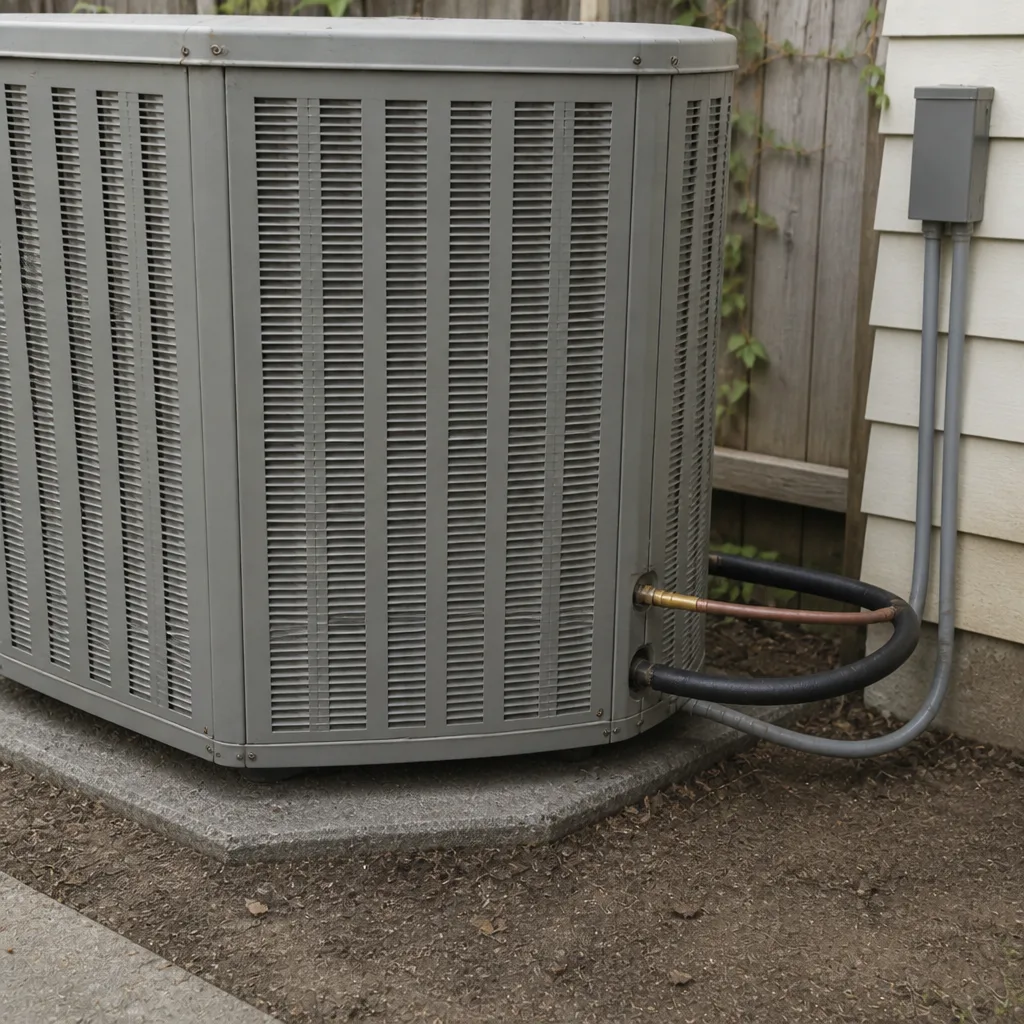
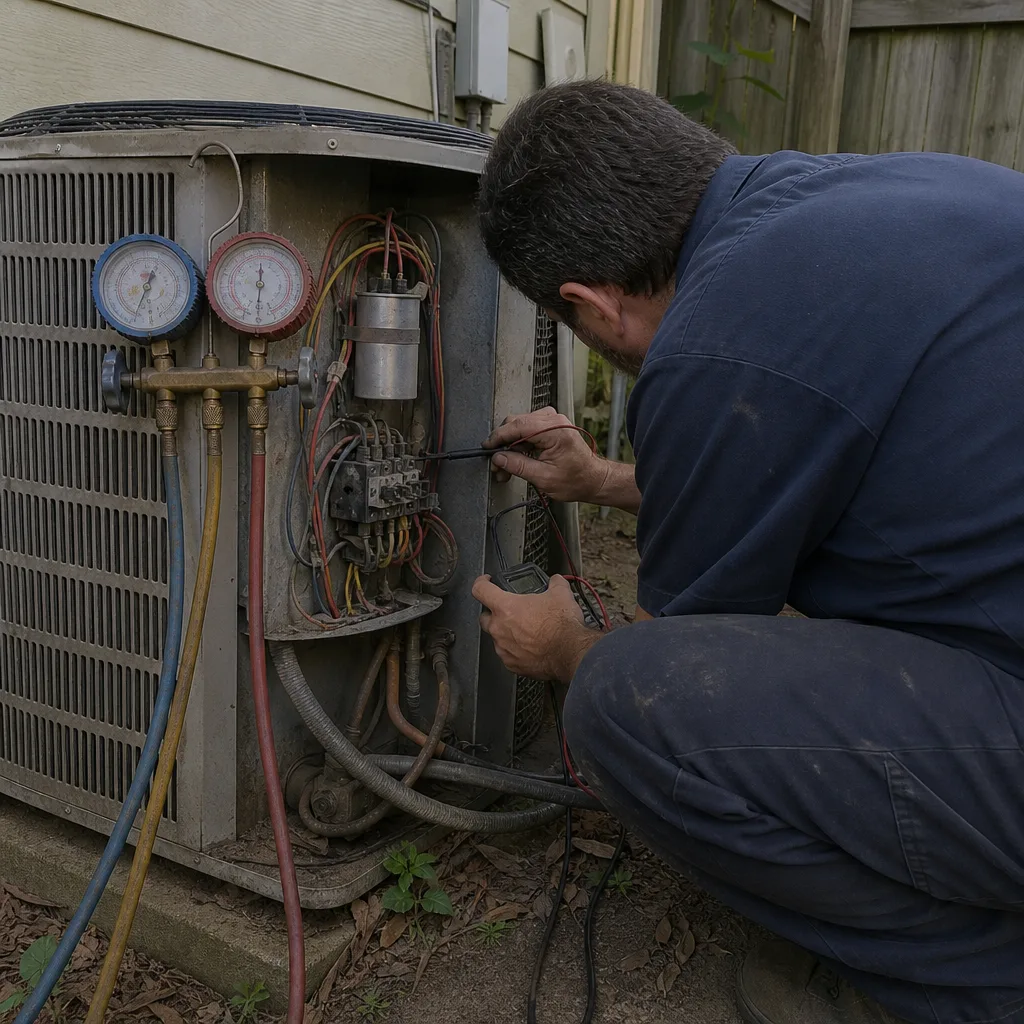
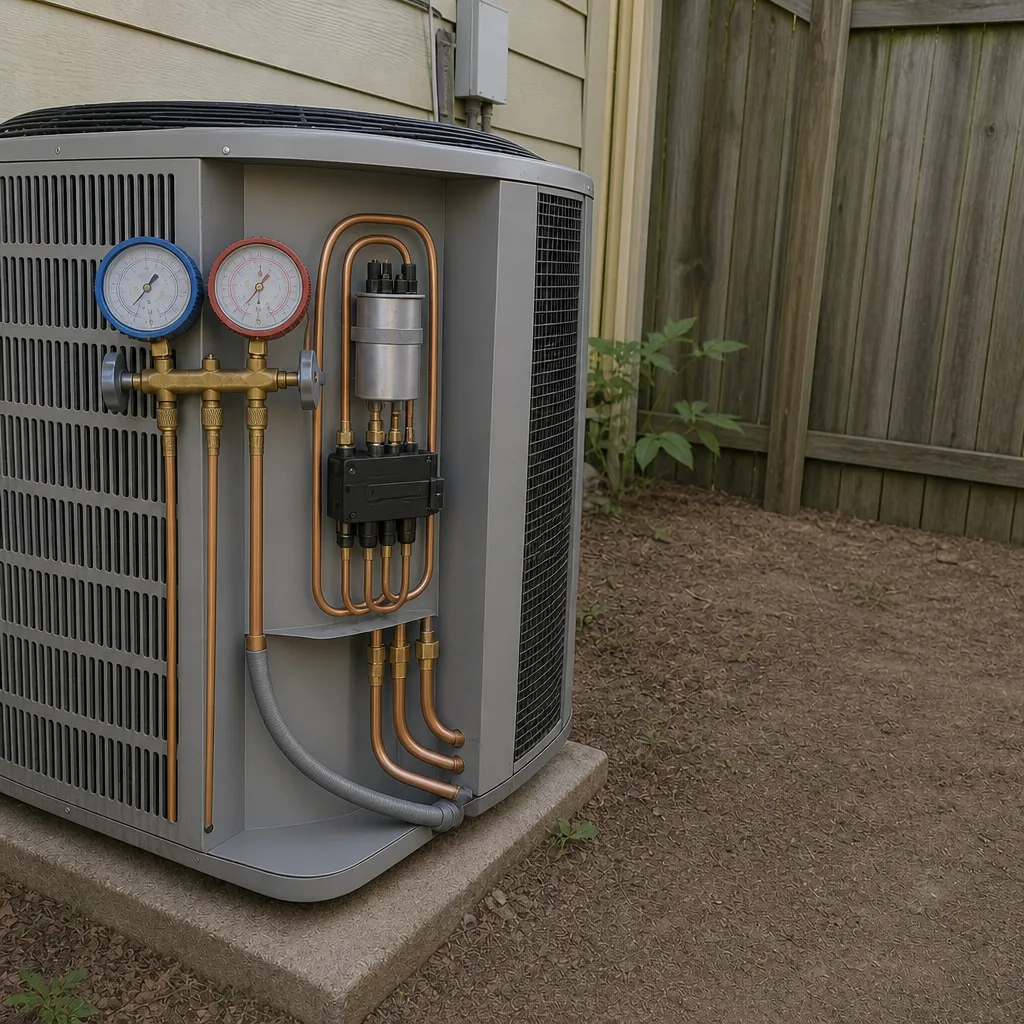
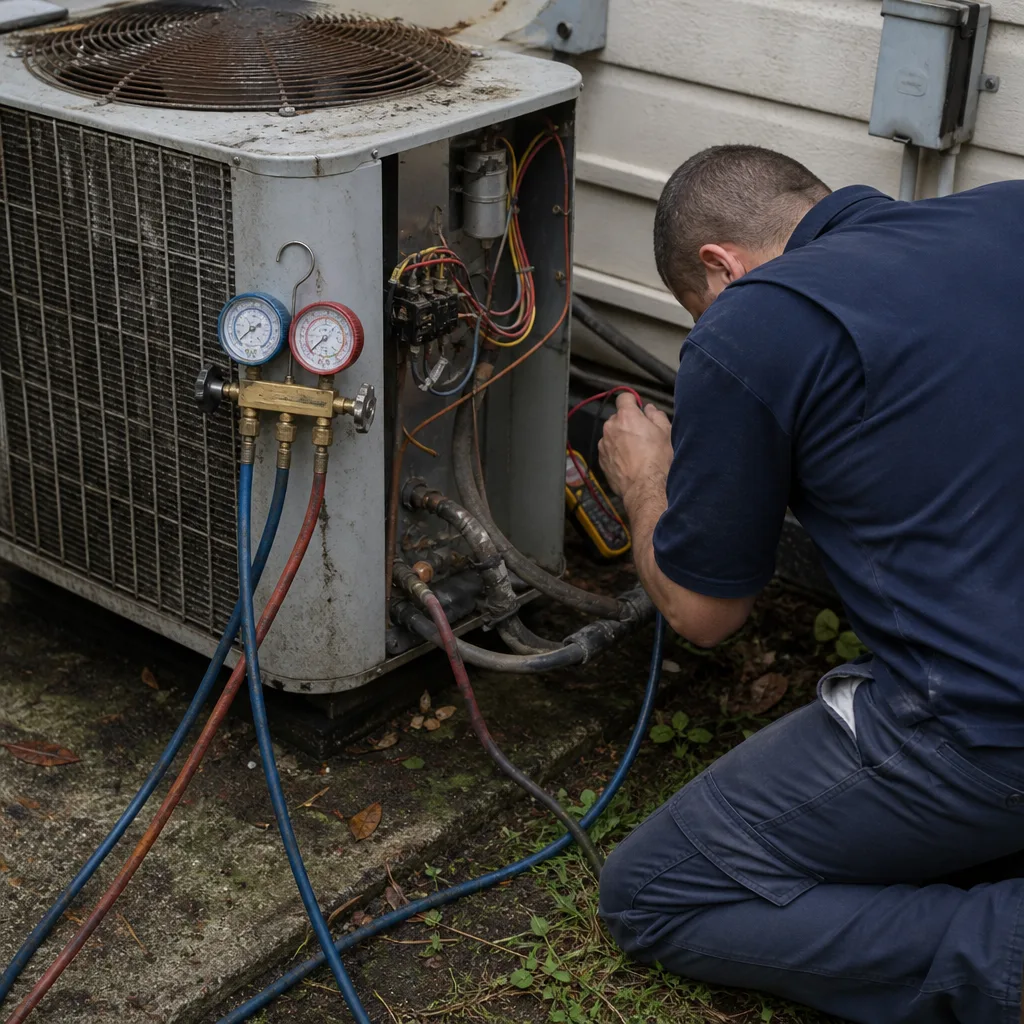
See the difference
 Before
 After
 Before
 After
 Before
 After
When to Call a Professional
The moment to call a professional is not when the permit becomes a problem. It’s when the replacement decision is on the table. If a contractor is proposing to swap your system without a permit and a stated inspection schedule, that’s a call worth making. If you’re selling a home in League City and don’t have a permit record for the HVAC install, that’s a call worth making before the listing goes live. If a storm claim is in progress and the adjuster is asking for the permit, that’s a call worth making today. And if your gas furnace is showing combustion or venting issues, stop and call now: gas furnace venting is a real safety matter and not a DIY repair.
Hartwell AC Repair offers free estimates in League City. Call League City homeowners can reach us at (866) 412-4707. We answer 24/7. Fast dispatch from 7am to 7pm, Sunday through Friday.
Frequently Asked Questions
Yes. A full or partial system replacement in League City requires a mechanical permit through the city’s building department, even when only the outdoor condensing unit is swapped. A permit pulled first is routine and inexpensive; a permit pulled after the work is a retroactive process with correction risk. Call (866) 412-4707 for an exact quote on the replacement, and we’ll confirm the permit path with the city.
Repair work on existing equipment generally doesn’t require a mechanical permit. That covers replacing components like a blower motor, igniter, board, or gas valve on a furnace that stays in place. A furnace replacement, even a straight changeout of the same size, does require a permit. If you’re not sure which category your situation falls into, call (866) 412-4707 and we’ll tell you before any work is scheduled.
The buyer’s inspector will likely find it, and the sale can stall while the system is retroactively permitted. The work may pass inspection once permitted, but the delay costs more than the permit ever would have. If you’re listing in League City, pull the permit history for the address first. If there’s a gap, call (866) 412-4707 and we’ll walk through the retroactive process before the listing goes live.
Yes. Insurers review permit and inspection records when they adjust a claim for HVAC replacement, and unpermitted work can reduce or exclude coverage for that system. A closed permit is a paper trail that proves the work happened to code at a known point in time. If you’re in a claim and the adjuster is asking for a permit record, call (866) 412-4707.
Often yes. A mechanical permit for a home in a mapped flood zone in League City can trigger floodplain review on top of the standard mechanical inspection. The review checks equipment placement and elevation against the parcel’s floodplain standard, and it extends the timeline. A contractor who plans for it from the start avoids the surprise at plan review. Call (866) 412-4707 for a free estimate that accounts for it.
Yes, and that’s the normal case. We work on whatever system you have, including York, Daikin, Bryant, and American Standard equipment, regardless of brand, age, or where the original system was purchased. Our technicians have up to 12 years of experience across the nine major brands. If you’re deciding between repair and replacement, call (866) 412-4707 and we’ll tell you which one actually makes sense for your situation.
The Bottom Line
The permit isn’t the part of an HVAC project that saves you money today. It’s the part that protects you later, at resale and in a claim. In League City, a replacement or new installation needs a mechanical permit; a straight repair on existing equipment usually doesn’t. Homes in Galveston County flood zones can add floodplain review to the timeline, so check the parcel before you accept a bid. If you’re missing a permit record and you’re heading toward a sale, handle it before the listing goes live. Heating and cooling are handled together by one company here, and the permit process is part of that job, not a side errand. Call (866) 412-4707 for a free estimate. We answer 24/7. Fast dispatch from 7am to 7pm, Sunday through Friday.
Written by the team at Hartwell AC Repair.