
Last updated November 15, 2026
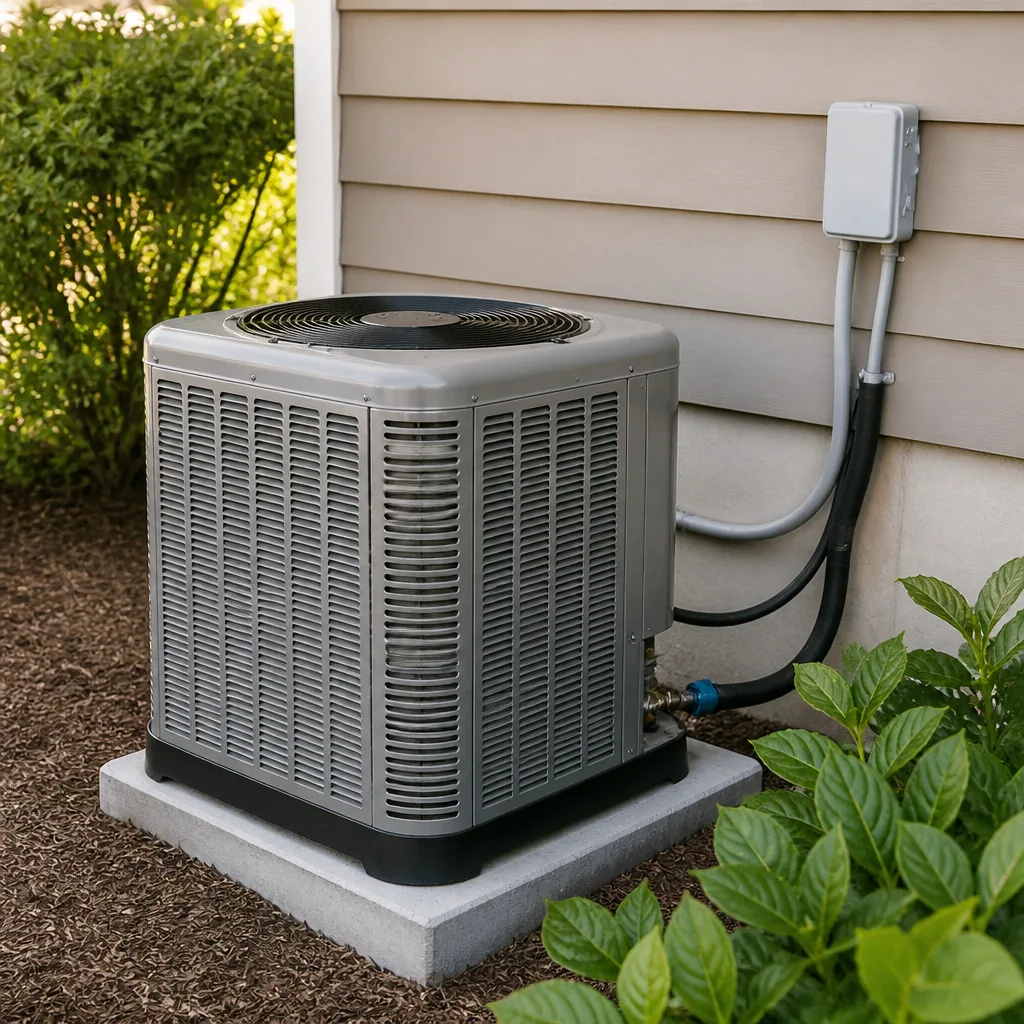 AC repair
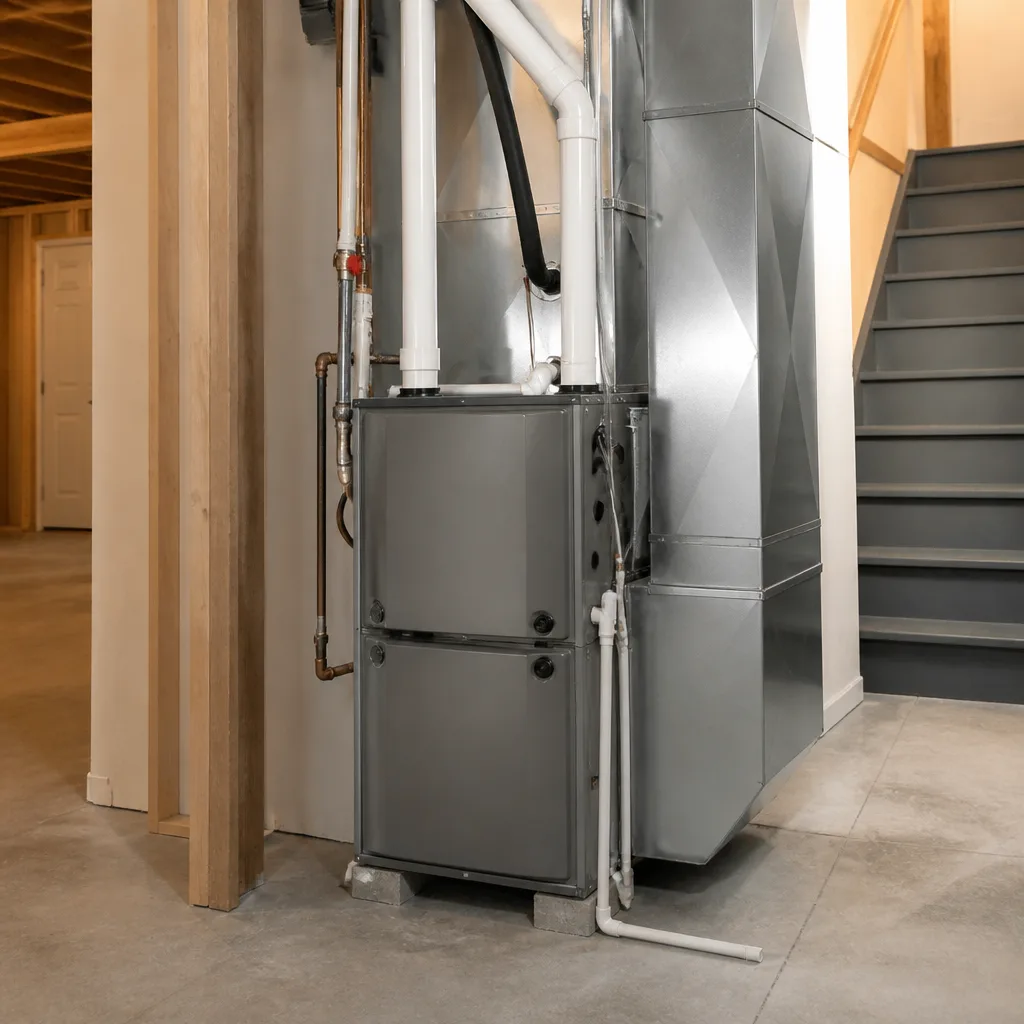 Furnace & heating
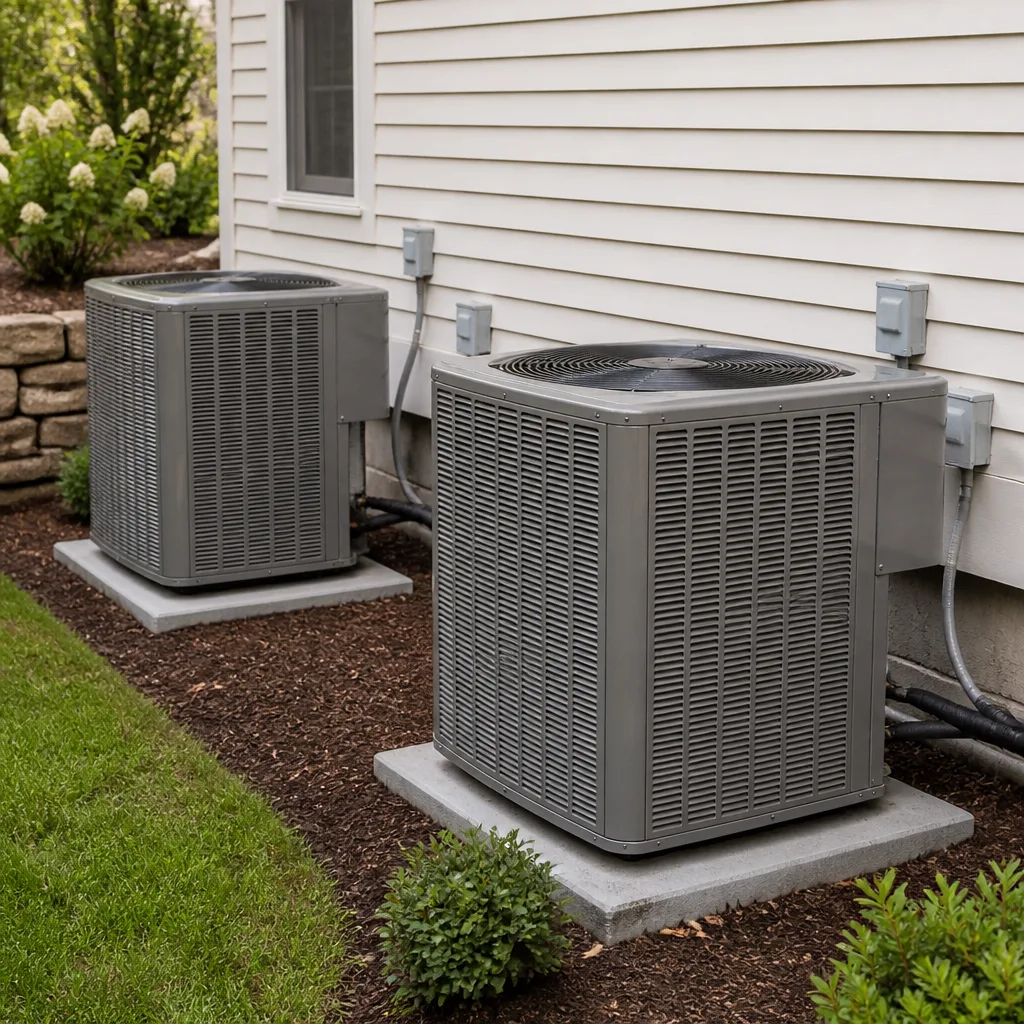 Heat pumps
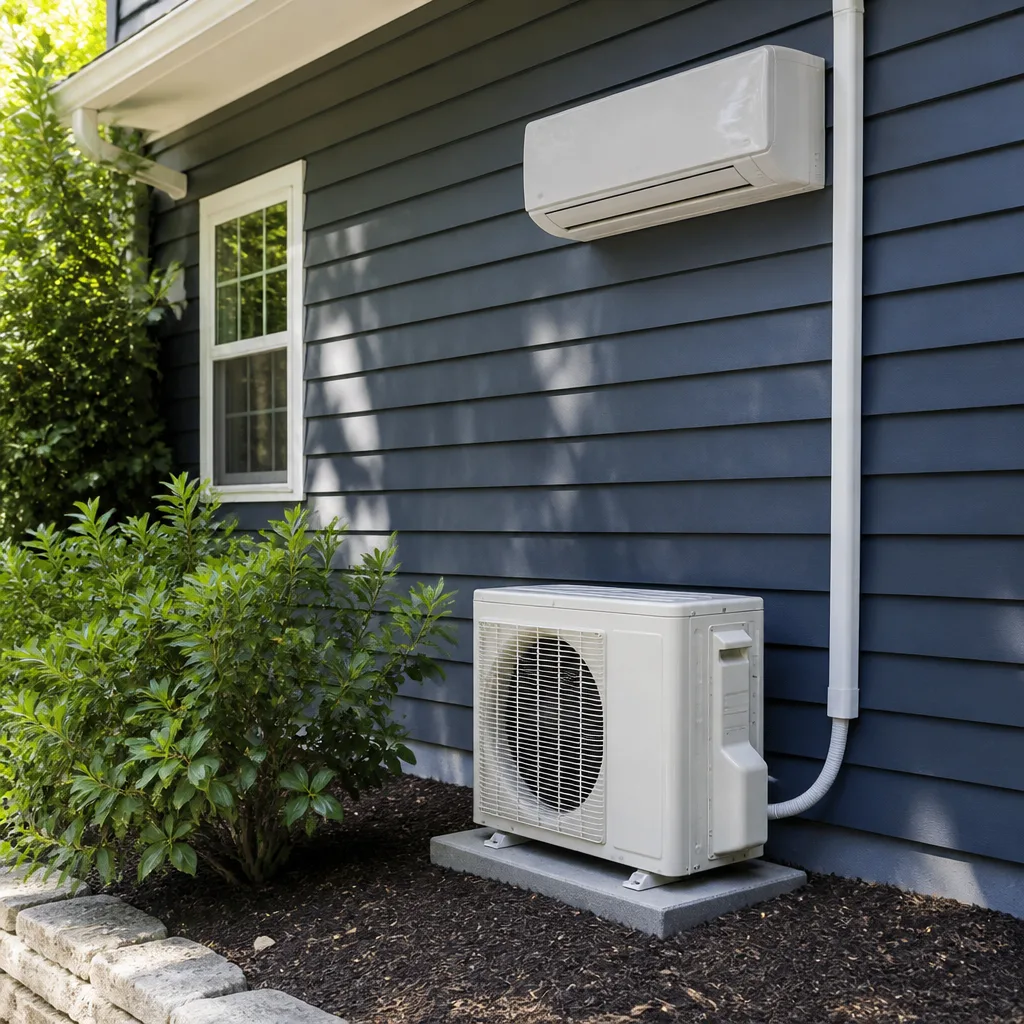 Ductless mini splits
 Carrier
 Trane
 Goodman
Seasonal tune-up and full diagnostic on your Carrier, Trane, or Goodman system - readings shown to you before any repair is proposed
Diagnosis first, numbers second - you approve the repair price before a single part goes in.
Get your free estimateSeasonal HVAC Care for League City: Year-Round Homeowner’s Guide
Most HVAC maintenance calendars are written for a place with four real seasons. League City doesn’t have that. We get a long cooling season, a short heating season, and two narrow windows in between where the weather is genuinely pleasant and nobody thinks about their system at all. That last part is the problem. The homeowners who get the most life out of their equipment and the lowest bills aren’t the ones who call when something breaks – they’re the ones who front-load maintenance into the shoulder months, before demand spikes and schedules fill up. This guide lays out a month-by-month plan built around League City’s actual climate, from filter schedules that account for our early pollen to the exact steps for testing your furnace in the fall and protecting your system before a named storm.
Quick Answer
The best time to service your AC in League City is February. Demand is low, technicians have real availability, and you’re two months ahead of the heat instead of two weeks behind it. Furnace testing belongs in October and November, before you need it. The rest of the year is about filters, coils, humidity, and storm prep, and this guide breaks each of those down month by month.
Styles & brands we work with
- AC repair
- Furnace & heating
- Heat pumps
- Ductless mini splits
- Carrier
- Trane
- Goodman
Table of Contents
- Why League City’s Climate Defies the Standard Maintenance Calendar
- The Month-by-Month HVAC Calendar for League City
- The October-November Furnace Test: What It Should Include
- Managing Indoor Humidity in Spring and Fall Transitions
- Filter and Coil Maintenance for Gulf Coast Pollen Seasons
- Preparing Your HVAC System Before a Named Storm
- Repair or Replace? How League City Homeowners Should Decide
- When to Call a Professional
Why League City’s Climate Defies the Standard Maintenance Calendar
National HVAC guides assume a balanced year: a hot summer, a cold winter, and long stretches of mild weather on either side. League City runs closer to two intense seasons separated by two short transitions. Summer dominates. Cooling systems run near continuously from late spring into early fall, and that sustained load is what wears equipment out – not any single day of extreme heat. Winter is shorter and milder, but it still arrives, and a furnace that sat idle for eight or nine months has a way of announcing problems on the first genuinely cold morning.
The transition windows matter more here than most homeowners realize. In spring, outdoor temperatures climb faster than indoor humidity falls, and your system ends up working harder to manage moisture than it does to manage temperature. In fall, the opposite happens – the air dries out, cooling demand drops, and the system may cycle in short bursts that never run long enough to dehumidify properly. Those are the weeks when small issues become visible, and they’re also the weeks when it’s cheapest and easiest to get someone out to look at them.
League City sits in a part of the Houston metro where new construction and older neighborhoods share the same streets, which means the housing stock varies widely. A system installed in a newer build may have different ductwork and different maintenance needs than one in an established neighborhood near the water. That’s one reason we work on whatever system you have – Hartwell AC Repair services Carrier, Trane, Lennox, Goodman, and five other major brands, so the advice you get is shaped by your actual equipment rather than by what a technician prefers to sell. Repair or replace – we’ll tell you which one actually makes sense for your situation.
The core insight is simple: in a market with two intense seasons, the shoulder months are where you gain leverage. Service in February costs you a few hours and protects the whole summer. Service in July costs you a place in line and a system that’s already been stressed for weeks.
The Month-by-Month HVAC Calendar for League City
Here’s the calendar we’d hand a League City homeowner if they asked what to do and when. It’s built around the local climate, not a national template.
- January: Check the filter and the outdoor unit for debris. Run the heat briefly to confirm it’s working. This is a quiet month – use it to schedule anything you’ve been putting off.
- February: The single best month for full AC service in League City. Book a tune-up, have the coils cleaned, and get the system inspected before cooling season starts. Availability is at its best.
- March: Watch pollen. Filters load up faster this month than any other. Check them every two to three weeks rather than monthly.
- April: Confirm the cooling system is ready for the first sustained warm stretch. Check the condensate drain line for clogs – a common source of spring water damage.
- May: Cooling season begins in earnest. Keep filters clean and watch for short cycling or unusual noise. If something’s off, address it now rather than in July.
- June through August: Peak load. Check filters monthly, keep the outdoor unit clear of vegetation, and note any change in cooling performance or run time.
- September: Cooling demand starts to ease. This is a good month for a mid-season filter change and a look at the outdoor unit before fall.
- October: The furnace test window opens. Run the heat for the first time and confirm it lights, heats, and shuts off cleanly.
- November: The second half of the furnace test window. If you haven’t tested the heat yet, do it now – not in December. This is also the month to confirm your furnace repair needs, if any, while schedules are open.
- December: Keep an eye on filter condition and run the heat periodically even if the weather is mild, so the system doesn’t sit idle for weeks.
That calendar isn’t an emergency plan. It’s the maintenance rhythm that keeps emergencies from happening. The rest of this guide goes deeper on the two windows that matter most: February for cooling, October and November for heating.
The October-November Furnace Test: What It Should Include
October and November are the only reliable window to test your furnace in League City before you actually need it. Once December cold arrives, everyone discovers their heating problem at the same time, and the wait for service gets longer. Testing in the fall means you find out on a mild day, with options, instead of on a cold night with none.
A proper furnace test is more than flipping the thermostat to heat and feeling for warm air. Here’s what it should cover:
- Ignition and flame: The system should light cleanly and hold a steady flame. A yellow or flickering flame where you’d expect a steady blue one is a sign to stop and call a professional.
- Heat rise: The temperature difference between return and supply air should fall within the manufacturer’s range. This is how technicians catch airflow problems that a simple “does it feel warm” check will miss.
- Blower operation: Confirm the blower starts, runs at the correct speed, and shuts off cleanly.
- Safety switches: The high-limit switch and any pressure switches should function as designed.
- Filter condition: A clogged filter can cause overheating and short cycling. Replace it before testing.
- Combustion and venting: On a gas furnace, this is a job for a trained technician, not a homeowner. Carbon monoxide is odorless, and a venting problem is genuinely dangerous.
One safety note that matters more than any maintenance tip: if you smell gas, or your carbon monoxide detector goes off, leave the house and call your gas utility and emergency services first. Do not troubleshoot a gas furnace yourself. Our technicians have up to 12 years of experience, and even they don’t skip the safety checks. That’s the standard a homeowner should expect from anyone working on heating equipment.
If the test turns up a problem, deal with it in the fall while schedules are open, not in the middle of a cold snap. If the furnace is old and the repair cost is climbing, read on – the repair-versus-replace question is covered below.
Managing Indoor Humidity in Spring and Fall Transitions
League City’s shoulder seasons create a specific problem: outdoor conditions change faster than your thermostat can track. In spring, the air warms before it dries, and your AC has to remove moisture before it can effectively cool. In fall, the air dries out while temperatures still fluctuate, and the system may run in short bursts that never last long enough to dehumidify properly.
The result is that indoor comfort can feel wrong even when the temperature reading looks fine. A house at 74 degrees with high humidity feels clammy and uncomfortable; the same house at 74 degrees with controlled humidity feels right. Here’s how to manage the transitions:
- Run the fan on low continuously during transition weeks. Continuous low-speed airflow helps distribute treated air and gives the system more time to pull moisture out. Don’t run the fan on high – that can re-evaporate moisture off the coil.
- Watch for short cycling. If the system turns on and off in short bursts, it’s not running long enough to dehumidify. That’s a sign to have the system checked, not just tolerated.
- Address moisture sources. Bathroom fans, kitchen exhaust, and dryer vents all matter during transition weeks. A leaky duct or a clogged drain line adds moisture to the problem.
- Check the drain line. A clogged condensate drain can back up and create water damage during humid stretches. This is one of the most common spring calls in our experience.
If humidity stays stubbornly high through a transition, the issue is usually airflow, duct sealing, or system sizing. A technician can measure it rather than guess. In League City, where spring and fall humidity swings are pronounced, that measurement is worth taking before summer demand hits.
Filter and Coil Maintenance for Gulf Coast Pollen Seasons
National guides typically suggest changing your filter every one to three months. That schedule is too loose for League City, where pollen season starts earlier and hits harder than most of the country. In spring, filters can load up in two to three weeks rather than a full month. A clogged filter restricts airflow, which drives up energy use, stresses the blower, and can freeze the coil in summer.
Our recommendation for League City homes:
- Check the filter every two weeks from March through May. Replace it when it’s visibly gray or when light won’t pass through it. Don’t wait for a calendar reminder.
- Go back to monthly checks from June through September. Peak cooling means peak dust and pollen circulation.
- Check monthly the rest of the year. The load is lighter, but a filter still loads up over time.
- Have the indoor coil cleaned annually. The coil is where the system actually transfers heat, and a dirty coil forces the system to work harder for less cooling. Cleaning it is part of a proper tune-up, not an optional add-on.
- Keep the outdoor unit clear. Vegetation, leaves, and debris around the condenser restrict airflow and reduce efficiency. A two-foot clearance makes a real difference.
The filter is the cheapest part of your system and the one with the biggest effect on its life. In a place where pollen runs heavy, paying attention to it is the single most reliable maintenance habit you can build. Coil cleaning is the job for a technician – it involves opening the system, and the coil fins are fragile enough that a DIY attempt usually makes things worse.
When it’s time for a full seasonal service, we service whatever brand is in your home. Whether it’s a AC installation you’re planning or an existing unit that needs attention, the brand doesn’t change the approach.
Preparing Your HVAC System Before a Named Storm
Most storm-prep advice stops at securing the outdoor unit. That’s the visible part. The real risk to your HVAC system during a named storm usually comes from two less obvious sources: power surges and flooding. Here’s a step-by-step approach that covers all three.
- Secure and cover the outdoor unit. Strap or secure the unit if it’s not already anchored, and remove any loose debris nearby that could become a projectile. Don’t wrap it in a way that traps water – the goal is to keep wind-driven debris out, not to create a sealed box.
- Turn off the system at the breaker before the storm arrives. A power surge during a storm can damage the compressor, control board, and other electronics. Turning off the breaker before the event protects the equipment.
- Address drainage around the equipment. Make sure water drains away from the unit and from the foundation rather than pooling around the system. Standing water around the outdoor unit is a real failure risk.
- Check the indoor unit’s location. If the air handler or furnace sits at ground level in an area prone to flooding, elevate or protect it before the storm if possible. Water entering the system can total components that would otherwise survive.
- After the storm, don’t just flip everything back on. Check for water intrusion, standing water, and visible damage first. If anything looks wrong, have a technician inspect it before running the system.
One more thing worth knowing: after a storm passes, a lot of HVAC problems show up as nuisance trips, failed capacitors, or control board faults. Those are usually surge-related. A whole-home surge protector is a reasonable investment in a place where storms are a regular fact of life, and it protects more than just your HVAC equipment.
We answer 24/7 if a storm leaves you with questions. Fast dispatch from 7am to 7pm, Sunday through Friday.
Repair or Replace? How League City Homeowners Should Decide
The repair-or-replace question comes up constantly, and the honest answer depends on three things: the age of the system, the cost of the repair relative to replacement, and how the rest of the system is holding up. A repair that fixes a fifteen-year-old system for a small fraction of replacement cost often makes sense. A repair on a system that’s already had multiple failures this season is usually throwing money at a problem that’s going to come back.
A useful way to think about it:
- One repair, young system, otherwise healthy: repair.
- One repair, older system, but the repair is modest and the system has been reliable: repair is usually reasonable, with a plan to revisit replacement in the next year or two.
- Repeat repairs in the same season, or a repair that costs a large share of replacement: replacement usually wins on total cost.
- A system that’s struggling with humidity control even when it’s “working”: often a sign of sizing or efficiency problems that a repair won’t fix.
What matters most is that the recommendation comes from someone who does both repairs and replacements. A technician who only installs will lean toward replacement. A technician who only patches will lean toward repairs. We do both across budget and premium equipment lines – Goodman through Trane and Lennox – so the conversation can be about what your system actually needs. If you’re planning ahead, our League City service page lays out what we cover.
See the difference
 Before
 After
 Before
 After
 Before
 After
Common Mistakes to Avoid
- Waiting until July to book AC service. By then, schedules are full and the system has already run hard for weeks. February is the month that pays off.
- Skipping the fall furnace test. Testing heat in October or November catches problems with time to fix them. Testing in December means fixing them in a hurry.
- Sticking to a national filter schedule. League City pollen loads filters faster than the standard one-to-three-month advice. Check every two weeks in spring.
- Ignoring humidity because the temperature feels fine. High indoor humidity in the shoulder seasons signals an airflow or system problem that gets worse in summer.
- Leaving the breaker on during a storm. Surges damage compressors and control boards. Turning the system off before the storm is a simple, high-value step.
- Making a repair-or-replace call based on one quote from one technician. Get a recommendation from someone who does both kinds of work, so the advice isn’t shaped by what they prefer to sell.
- Assuming brand loyalty is maintenance. A system doesn’t need the brand it was installed with – it needs a technician who can service it. Nine brands, one company.
When to Call a Professional
Some things are maintenance. Some things are a phone call. Call a professional if you smell gas, if your carbon monoxide detector goes off, if the system trips the breaker repeatedly, if you see ice on the indoor coil in summer, if the outdoor unit won’t start, or if you notice water pooling around the equipment. Those are all signs something is wrong in a way that a filter change won’t fix.
Other situations are less urgent but still worth a call: rising energy bills with no change in usage, rooms that never get comfortable, a system that runs constantly without reaching the set temperature, or a furnace that’s more than a decade old with no service history. Those are the calls that go better in a shoulder month than at peak demand.
Hartwell AC Repair offers free estimates in League City – call (866) 412-4707. We work on whatever system you have, and we’ll tell you honestly whether a repair makes sense or whether replacement is the better call.
Frequently Asked Questions
February is the best month to schedule AC maintenance in League City. Demand is low, technicians have availability, and the service happens two months ahead of the cooling season rather than in the middle of it. A tune-up in February catches problems while they’re cheap to fix and before the system runs hard for months.
Check your filter every two weeks from March through May because of the heavy spring pollen, then monthly the rest of the year. League City’s pollen season starts earlier and hits harder than national guides assume, so the standard one-to-three-month schedule is too loose here.
A furnace that sat idle for months can develop ignition or airflow problems without any obvious sign. Testing in October or November confirms it lights, heats, and shuts off cleanly while schedules are open, so a problem gets fixed on a mild day rather than during a cold snap. It also lets a technician check the safety switches and combustion, which homeowners can’t assess themselves.
Yes. Turning the system off at the breaker before a storm protects the compressor, control board, and electronics from power surges. After the storm, check for water intrusion and visible damage before turning it back on. If anything looks wrong, have a technician inspect it first.
Repair usually makes sense for a young, otherwise healthy system with a single problem, while replacement usually wins when repairs repeat in the same season or the repair cost is a large share of replacement. The right answer depends on the system’s age and history. Call (866) 412-4707 for a free estimate and an honest recommendation from someone who does both repairs and replacements.
No. A qualified technician can service most major brands regardless of what’s installed. We’re trained on Carrier, Trane, Lennox, Goodman, Rheem, York, Daikin, Bryant, and American Standard, so we diagnose and work on the system that’s already in your home rather than steering you toward one we prefer to sell.
The Bottom Line
League City HVAC care comes down to timing. Service the AC in February, test the heat in October and November, and use the transition weeks to manage humidity and filters. Check filters every two weeks in spring, clean the coil annually, and take storm prep seriously enough to turn the system off at the breaker before the storm, not after. None of this is complicated, but the homeowners who do it consistently get more years out of their equipment and lower bills. And when something does go wrong, call someone who will tell you honestly whether it’s a repair or a replacement.
Call (866) 412-4707 for a free estimate. We answer 24/7. Fast dispatch from 7am to 7pm, Sunday through Friday.
Written by the team at Hartwell AC Repair.