
Last updated November 15, 2026
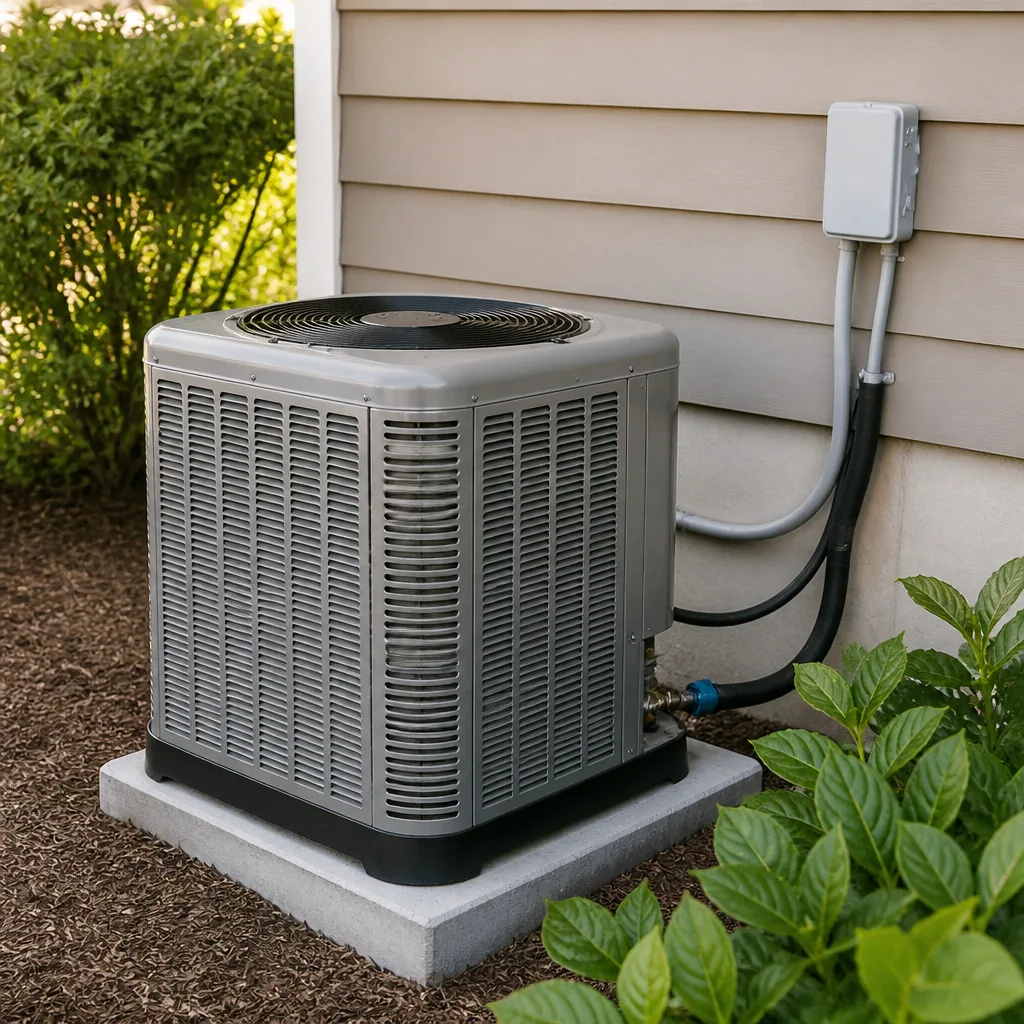 AC repair
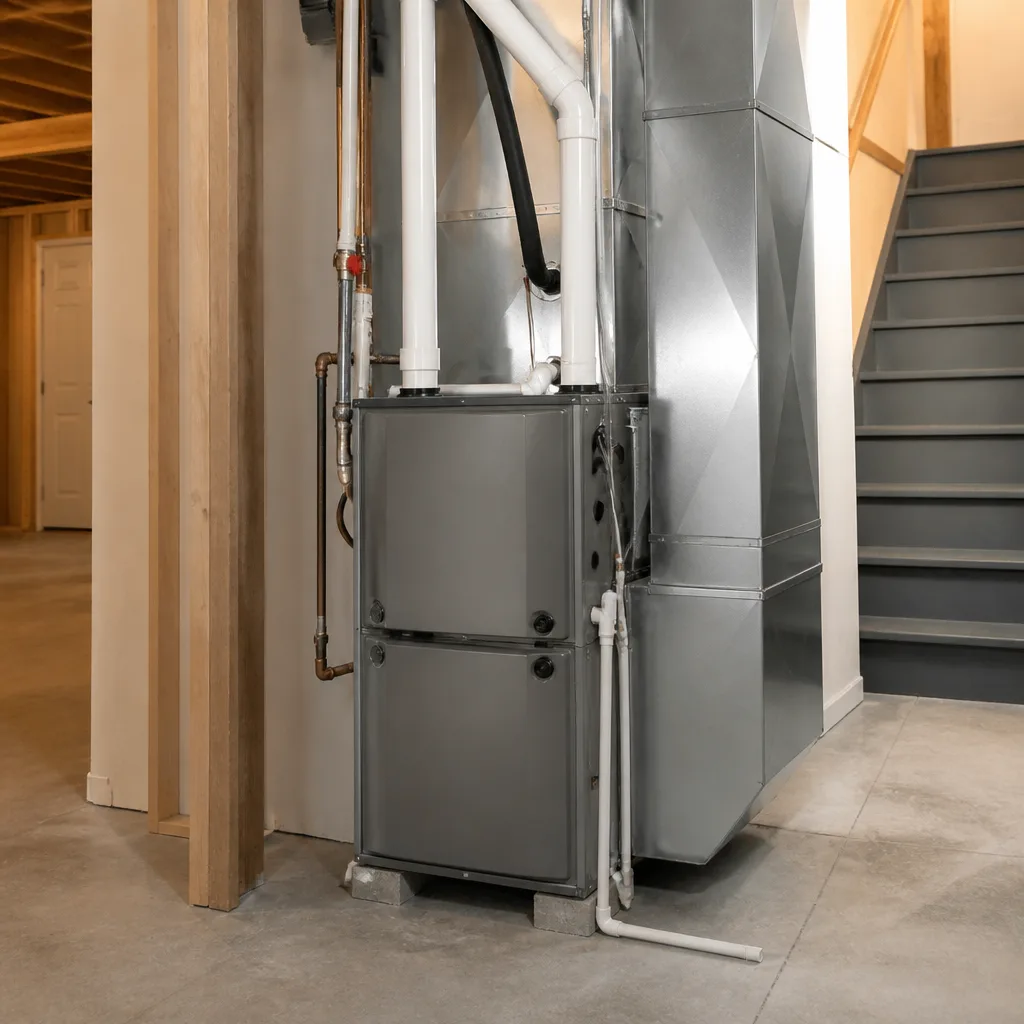 Furnace & heating
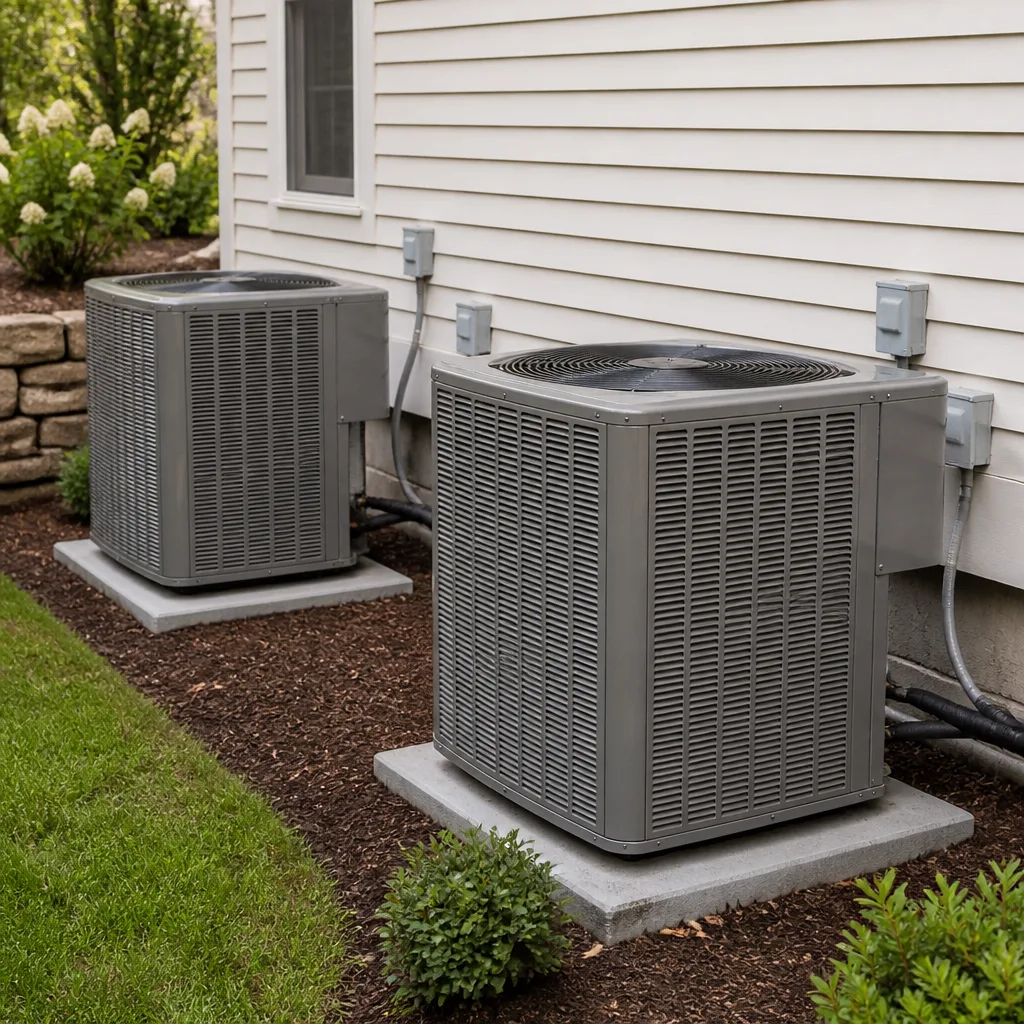 Heat pumps
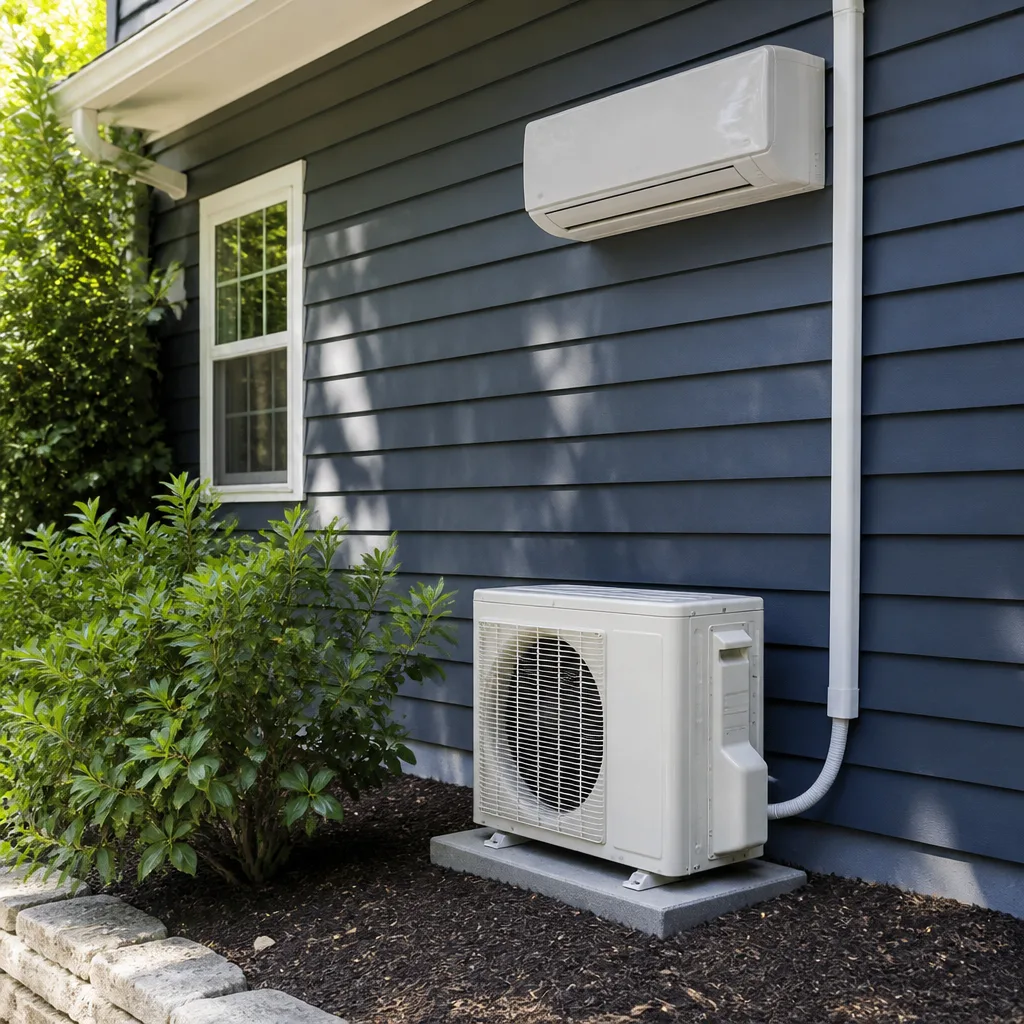 Ductless mini splits
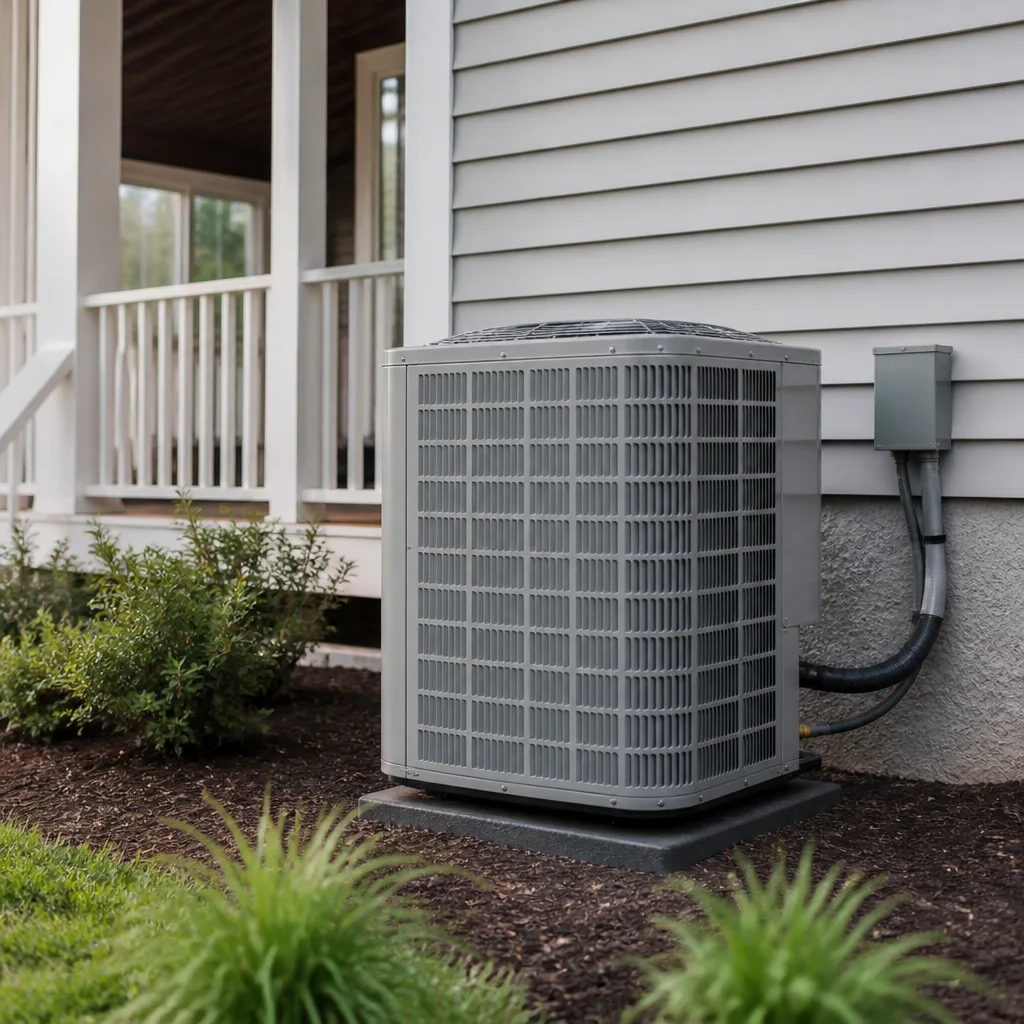 Carrier
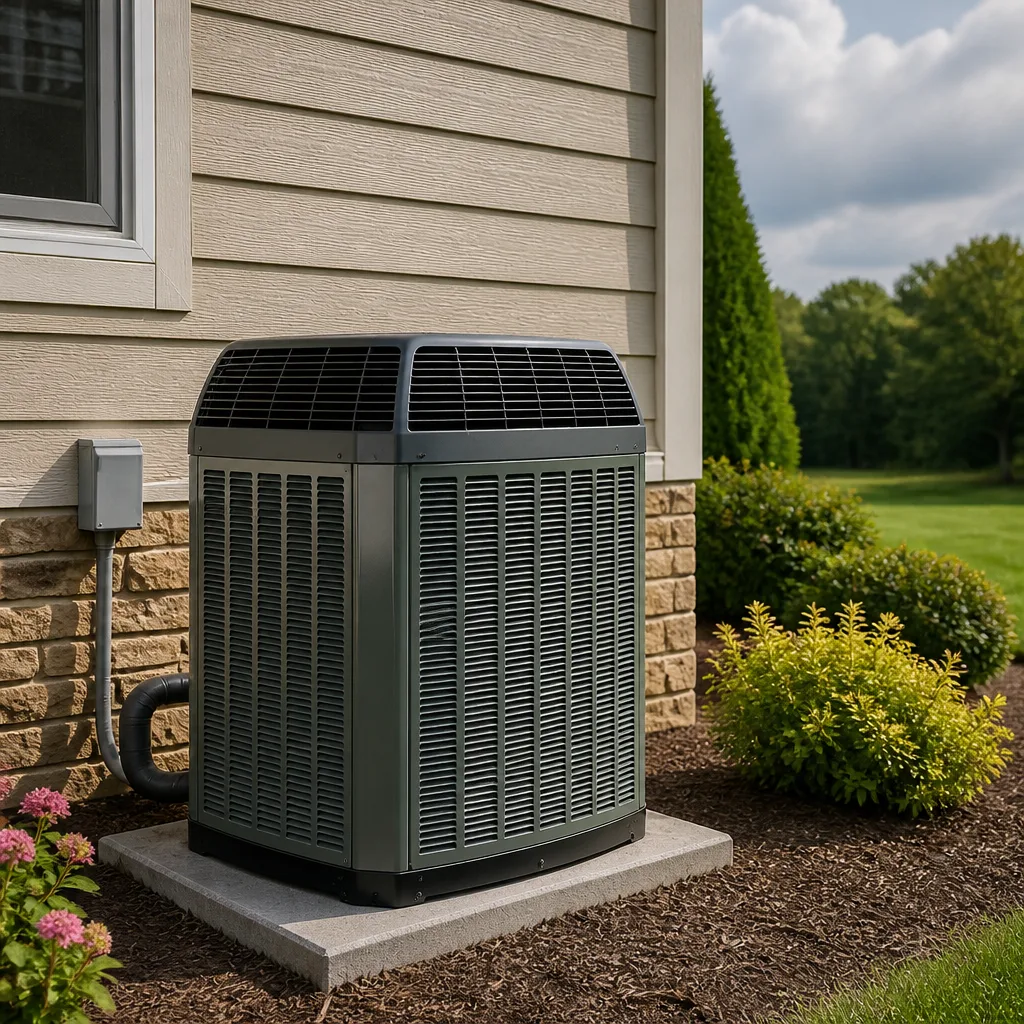 Trane
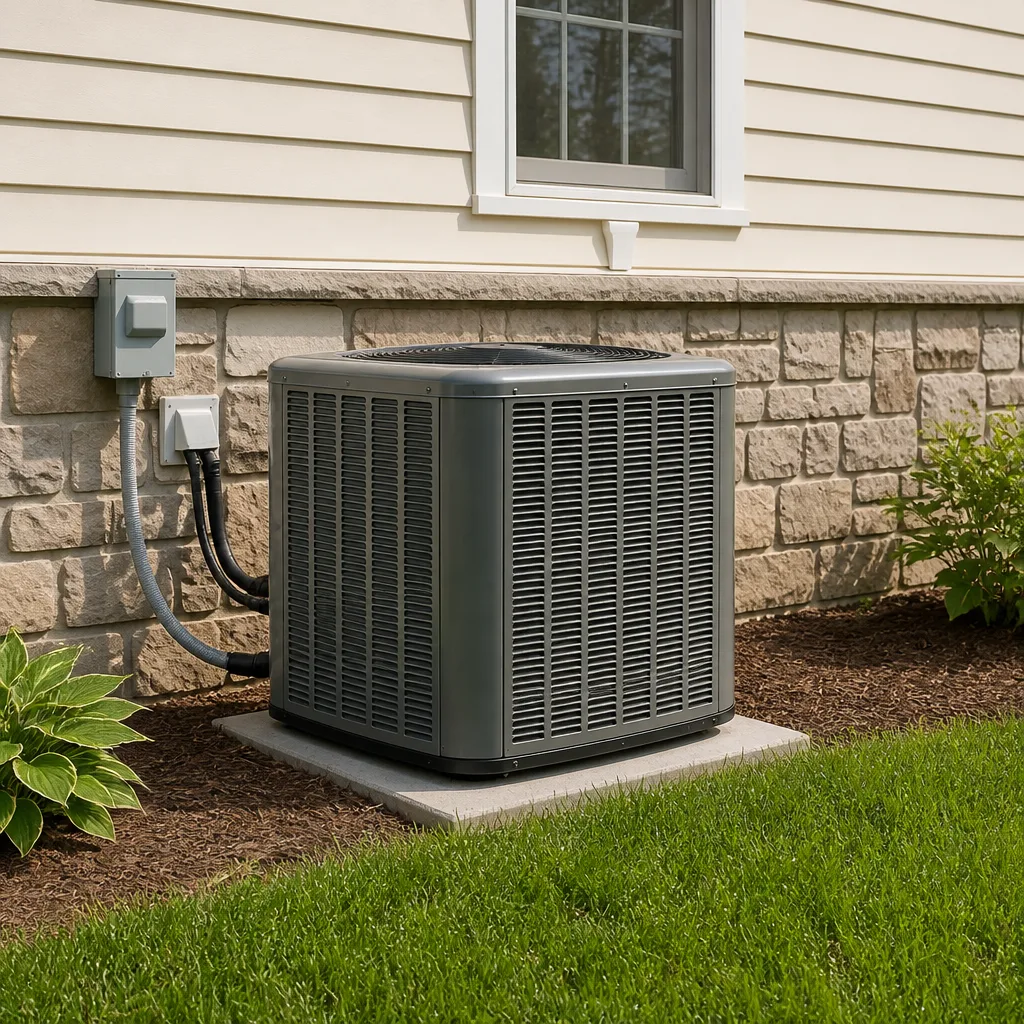 Goodman
Seasonal tune-up and full diagnostic on your Carrier, Trane, or Goodman system - readings shown to you before any repair is proposed
Diagnosis first, numbers second - you approve the repair price before a single part goes in.
Get your free estimateDIY vs Professional HVAC: The League City Homeowner’s Decision Guide
Here’s the part most guides skip: the DIY-versus-pro question for HVAC isn’t really about skill. It’s about where the legal and mechanical lines sit, and in Texas those lines are sharp. Replacing your own capacitor is legal, cheap, and genuinely within reach for a careful homeowner. Releasing refrigerant into the air is a federal violation no matter how handy you are. In League City, crossing the wrong line can affect more than your warranty. It can complicate an insurance claim after a storm. This guide maps the legal boundaries, the five DIY jobs that actually pay off here, the humid-climate mistakes that cost the most, and a five-minute decision framework for when something breaks.
Quick Answer
You can legally handle simple electrical and airflow tasks on your own system in Texas, like swapping a capacitor, changing a filter, cleaning a condenser coil, or resetting a breaker. You cannot legally add or recover refrigerant without EPA Section 608 certification, and most major repairs that touch the sealed refrigerant circuit should go to a licensed technician. In League City’s humid climate, DIY mistakes on the refrigerant side tend to get expensive fast. If the problem involves the compressor, refrigerant lines, or a system that won’t cool, call a professional. For everything else, this guide tells you whether to grab a screwdriver or a phone.
Styles & brands we work with
- AC repair
- Furnace & heating
- Heat pumps
- Ductless mini splits
- Carrier
- Trane
- Goodman
Table of Contents
- The Legal Line in Texas: What You Can and Can’t Touch
- Five DIY HVAC Tasks That Are Genuinely Worth Doing in League City
- How Unpermitted DIY Work Affects Insurance Claims
- The Hidden Cost of DIY Mistakes in a Humid Climate
- The Five-Minute Decision Framework
- Repair or Replace? How to Think About It
- Brand Matters Less Than You Think
- League City Seasonal Reality Check
The Legal Line in Texas: What You Can and Can’t Touch
Texas gives homeowners broad latitude to work on their own property, but HVAC sits at the intersection of building codes, electrical codes, and federal environmental law. That creates three tiers of work. Knowing which tier you’re in is the first step of every repair decision.
Tier one: legal for any homeowner. Simple electrical swaps, filter changes, cleaning, thermostat replacement, and breaker resets are all fair game. You own the equipment. You can service it.
Tier two: legal but not advisable without training. Capacitors, contactors, and fan motors live behind energized wiring. The work itself is legal, but the danger is real and specific. A capacitor holds a charge after the power is off at the disconnect. That’s a genuine shock hazard, and it’s worth saying plainly: if you’re not comfortable with a multimeter and a properly discharged capacitor, stop and call a technician.
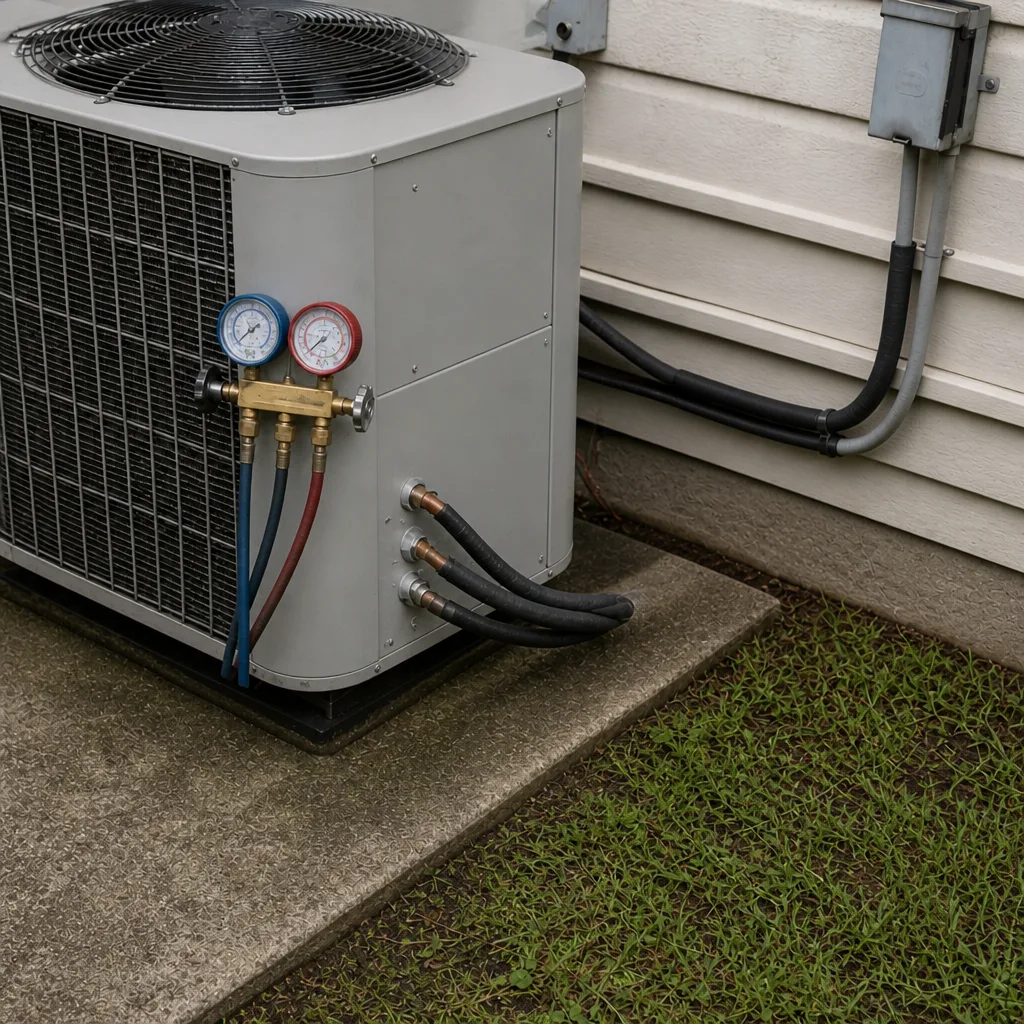
Tier three: legally off-limits without credentials. Anything that opens the sealed refrigerant circuit requires EPA Section 608 certification under the Clean Air Act. That covers adding refrigerant, recovering it, brazing line sets, and replacing compressors. Handling refrigerant without certification isn’t just risky. It’s a federal violation with real penalties. Electrical work beyond a component swap may also require a licensed electrician under Texas rules.
The practical upshot for a League City homeowner: filters, coils, capacitors, thermostats, and airflow are yours. Refrigerant, compressors, and line sets are not. If you’re staring at a system you’re unsure about, our team at Hartwell AC Repair can walk through what’s involved before you commit.
Five DIY HVAC Tasks That Are Genuinely Worth Doing in League City
Not everything is a job for a technician. These five tasks are legal, low-risk, and actually help your system run better in League City’s long cooling season. Each one has a specific tool requirement. Skip any task where you don’t have the tool.
- Change the air filter. A clean filter is the single highest-return maintenance task you can do. In League City’s long cooling season, filters load up fast. Check monthly during cooling months, swap when it looks gray. Tools: none. Time: five minutes.
- Clean the outdoor condenser coil. Debris, grass clippings, and dust build up on the fins and cut efficiency. Rinse gently with a garden hose, not a pressure washer. Tools: garden hose with a spray nozzle. Time: ten minutes twice a season.
- Replace a capacitor. A failed capacitor is one of the most common no-cooling causes. With the breaker off and the disconnect pulled, a capacitor swap is a single-screw job. Tools: screwdriver and a multimeter rated for capacitance. Safety note: capacitors hold a charge, so discharge before touching terminals, or have a technician handle it.
- Swap a thermostat. Straightforward if you photograph the wiring before removing the old unit and match the terminals exactly. Tools: screwdriver, phone camera. Time: twenty minutes.
- Clear the condensate drain. In a humid climate this line can clog with algae and back up, which trips the float switch and shuts the unit down. Flush the drain with a cup of white vinegar or a shop-vac pull on the outdoor end. Tools: vinegar or a wet-dry vacuum. Time: five minutes monthly.
Those five cover a surprising share of the small calls we hear about from homes around League City. If your issue falls outside this list, the next section explains why it matters to know the difference.
How Unpermitted DIY Work Affects Insurance Claims
Homeowner’s insurance doesn’t typically care that you worked on your own HVAC. It cares that the work was done competently, to code, and without creating a hazard the policy didn’t agree to cover. That distinction matters in Galveston County, where storm claims are a fact of life and adjusters know what to look for.
Here’s the practical risk. If a fire, water intrusion, or storm-damage claim involves an HVAC system that was worked on improperly, an insurer can reduce, delay, or deny the claim under the policy’s own terms. The language that matters usually sits in two places:
- The “duties after loss” clause. This section requires you to maintain the property and disclose any relevant facts. Non-permitted work that contributed to the loss can be raised here.
- The exclusions section. Look for language around “faulty workmanship,” “improper installation,” and “failure to maintain.” A botched capacitor or a misconnected thermostat lead can fall under these.
Pull your policy and read those two clauses before you start a repair you’re unsure about. If the repair would be unpermitted and outside your skill set, the safer move is a documented, licensed job. It’s not a scare tactic. It’s what adjusters actually review. If you want a second set of eyes on a repair before you file anything, our League City team can help clarify what a proper repair looks like.
The Hidden Cost of DIY Mistakes in a Humid Climate
Refrigerant leaks don’t announce themselves in a dry climate the way they do here. A small leak that a Saturday DIY patch might seem to “fix” will frequently get worse, not better, and in League City’s humidity the consequences compound. A poorly sealed line set doesn’t just leak refrigerant. It also admits moisture into the sealed circuit.
Moisture inside a refrigerant system is bad news in three specific ways:
- It reacts with refrigerant oil to form acids that attack the compressor from the inside.
- It can freeze at the metering device and interrupt cooling entirely.
- It accelerates corrosion on metal surfaces the system can’t easily replace.
The result: a leak that a proper repair with a vacuum and nitrogen purge would have handled in an afternoon can turn into a compressor replacement. Compressors are the single most expensive component inside a residential system. That’s the hidden cost nobody puts on the DIY YouTube thumbnail.
If you suspect a refrigerant leak (ice on the line set, weak cooling, hissing at the outdoor unit), that’s a call-a-pro situation. Leak detection, recovery, and recharge all require EPA certification. Our ac installation technicians handle the diagnosis work regularly and can tell you quickly what’s happening.
The Five-Minute Decision Framework
Here’s the practical tool for the moment something breaks. Read the symptom, match the category, and decide in under five minutes.
- The unit won’t turn on at all. Check the thermostat, breaker, and filter first (DIY, five minutes). If those are fine, call a technician. Diagnosis needs a meter.
- The unit runs but doesn’t cool. Check for a frozen line. If you see ice, shut it off and call a technician. The refrigerant circuit is involved.
- Weak airflow from vents. Replace the filter. Check for blocked returns. If airflow doesn’t improve, call; the blower or ductwork needs eyes.
- Strange smell or noise. Shut it down and call. Burning smells and grinding sounds aren’t DIY.
- System trips the breaker repeatedly. Do not keep resetting it. A tripping breaker points to a short or a failing component. Call a technician.
- One room is stuffy, the rest is fine. Check the damper and the return in that room. If the ductwork looks intact, this is usually a balance issue that needs a technician’s measurement.
- Water pooling near the indoor unit. Clear the condensate drain. If it recurs, call; the drain pan or the slope of the line may need correcting.
Two more factors push every decision toward “call”: the system is more than twelve years old, or the repair quote is climbing past a third of the replacement cost. At that point, you’re better off calling for a proper diagnosis than pouring money into a shutdown system.
Repair or Replace? How to Think About It
This is where brand-agnostic experience earns its keep. A technician paid on installs will lean toward replacement. A technician paid on repairs will lean toward patches. The recommendation you want comes from people who do both. We handle new equipment and repairs under the same company, which means we tell you which one actually fits your situation.
A rough framework:
- Replacement often makes sense when the system is over roughly twelve years old, the repair estimate exceeds a third of replacement cost, the unit uses older refrigerant, or the system has needed multiple major repairs in recent seasons.
- Repair usually wins when the unit is under eight years old, the failure is isolated (a capacitor, a contactor, a blower motor), and the rest of the system is healthy.
- Either way, ask for the reasoning in writing. A good tech explains the trade-off in plain terms.
For heating side questions, the same logic applies. If your furnace repair quote is creeping up on replacement cost at an aging unit, it’s worth pricing the alternative. Our team works on equipment from Goodman through Trane and Lennox, so the conversation is about your situation, not about steering you into one brand.
Brand Matters Less Than You Think
Homeowners sometimes assume a repair requires the technician who installed the original brand. It doesn’t. Modern residential equipment shares most of its components across manufacturers, and a competent technician can service any of the mainstream brands. We’re trained on nine of them: Carrier, Trane, Lennox, Goodman, Rheem, York, Daikin, Bryant, and American Standard. That matters because a furnace or AC on its worst day is exactly the wrong time to find out your contractor only works on one label.
When you’re evaluating an HVAC company in League City, ask three questions:
- Do you service the brand I already own, or only the brands you sell?
- Do you handle both heating and cooling, or will I get handed off to a separate contractor halfway through a diagnose-and-fix?
- Can I see the written estimate before any work begins?
The answers say more about the company than any brand slogan. Nine brands, one company, and a straight answer about what your system needs is a better starting point than a manufacturer logo on a truck.
League City Seasonal Reality Check
League City winters are mild, but that doesn’t mean heating season is irrelevant. It means the load pattern is different. Furnaces here may run only a few dozen hours in a typical winter, which changes the failure profile. Components that sit idle for months tend to fail at the first cold snap rather than mid-season. That’s why a quick pre-season check of the furnace in late fall pays off. It’s also why a “no heat” call in a League City home is often a simple igniter or flame sensor issue rather than something catastrophic.
The cooling side carries most of the burden. From roughly April through October, the AC runs hard, filters load up, and the condensate drain gets a workout. The five DIY tasks above are spaced through that cooling season for a reason. Replace the filter monthly. Rinse the condenser twice. Flush the drain once a month. That rhythm prevents most of the small failures that become mid-summer emergencies.
Common Mistakes to Avoid
- Adding refrigerant without a leak search. Topping off a system that leaks just delays the real repair and lets the compressor take abuse in the meantime. Find the leak or don’t add the gas.
- Rinsing the condenser with a pressure washer. High pressure bends the fins, which reduces the surface area you’re trying to protect. A garden hose is the right tool.
- Resetting a tripping breaker repeatedly. Every reset sends current through a fault. If the breaker trips more than once, stop and call.
- Replacing a thermostat without photographing the old wiring. A mismatched terminal is a five-minute job turned into an afternoon of head-scratching. Take the photo before you pull the old unit.
- Ignoring the condensate drain in a humid month. A clogged line trips the float switch and shuts the system off in the middle of a hot afternoon. Five minutes of vinegar prevents it.
- Skipping the “before” checklist on any repair that touches refrigerant. If a technician won’t show you what they’re recovering and recharging, ask. Certification and documentation go together.
- Patching a minor furnace issue and calling it fixed. Furnace components fail together as they age. A patched flame sensor today often means a full service call next month.
See the difference
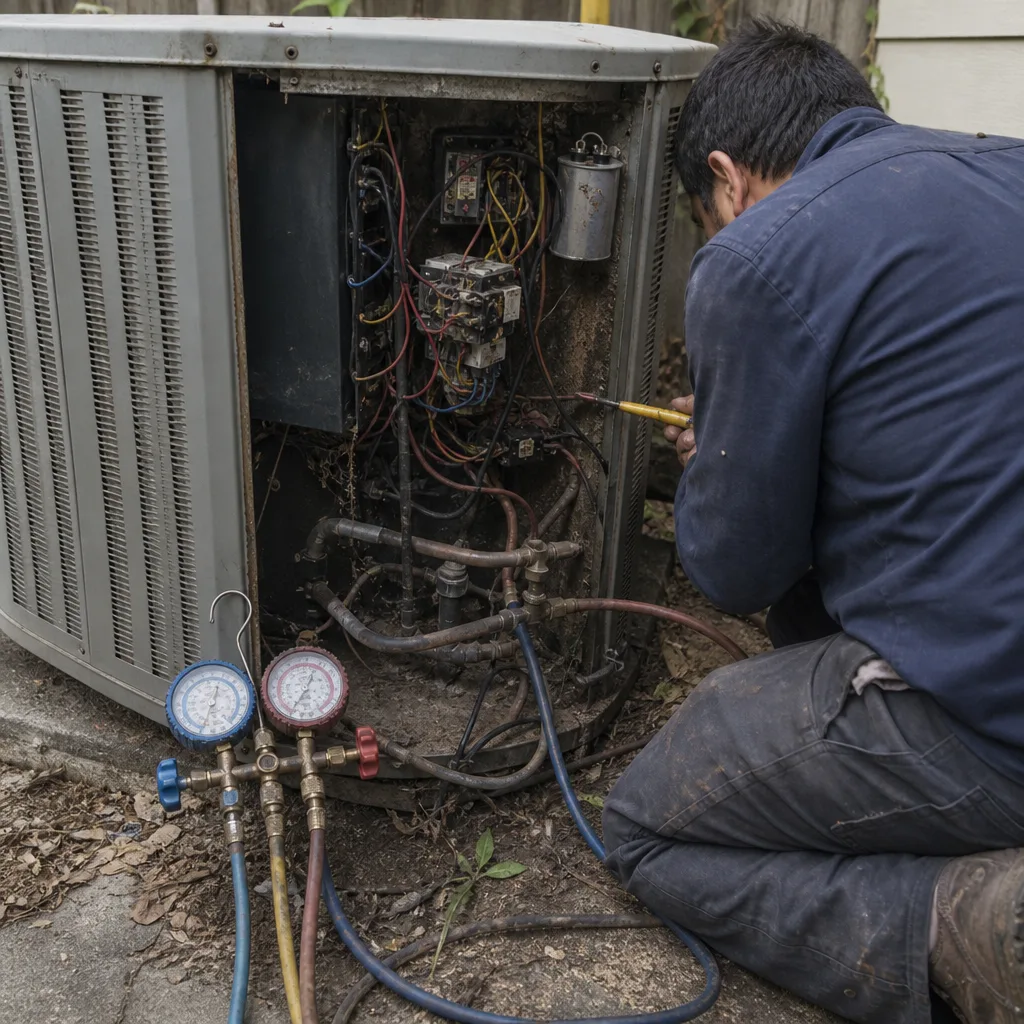 Before
 After
 Before
 After
 Before
 After
When to Call a Professional
Call a professional the moment your issue touches refrigerant, a compressor, a sealed line set, or a furnace component you don’t recognize. Call when the system trips the breaker, when you smell burning, when the outdoor unit ices over repeatedly, or when a repair quote starts approaching the price of replacement. Call when you’re unsure, plain and simple. The cost of a diagnostic visit is small compared to the cost of a misdiagnosed DIY repair on a humid, long-cooling-season system.
Hartwell AC Repair offers free estimates in League City. Call (866) 412-4707. We answer 24/7. Fast dispatch from 7am to 7pm, Sunday through Friday, and same-day service when your schedule needs it. Our technicians have up to 12 years of experience, work on nine of the major equipment brands, and are trained to give you a straight answer about repair versus replacement.
Frequently Asked Questions
No. Adding, recovering, or handling refrigerant in any way requires EPA Section 608 certification under the Clean Air Act. Without it, you can’t legally purchase or use refrigerant on your own system. Repairs that involve the sealed refrigerant circuit need a certified technician, and a proper repair also includes leak detection and evacuation, not just a top-off. Call (866) 412-4707 if you suspect a refrigerant issue. Estimates are free.
The most common one is topping off a low system without finding the leak. Refrigerant doesn’t get “used up.” A low charge means a leak, and adding gas without repair just delays the problem while the compressor absorbs the wear. In a humid climate, that delay also lets moisture into the sealed circuit, which is the expensive part. Call (866) 412-4707 for a leak diagnostic before adding anything. Estimates are free.
It can, under specific circumstances. If a loss traces back to improper workmanship and your policy’s exclusions or duties-after-loss clauses apply, the insurer may reduce or deny the claim. Read the “faulty workmanship” exclusion and the “duties after loss” section of your policy to see how your specific coverage reads. When in doubt, a documented repair is worth the paperwork.
Check monthly during cooling season and replace when the filter looks gray or dusty. In a busy household with pets, monthly replacements are common. In a low-occupancy home, every two months may be enough. Don’t push past three months. A loaded filter taxes the blower and cuts efficiency all summer. If you ever want the system inspected before a busy stretch, call (866) 412-4707 to book a check.
Often, no. Once a system gets past roughly twelve years and needs a repair worth more than about a third of the replacement cost, the money usually goes further toward new equipment. Exceptions exist for well-maintained systems with a single isolated failure. Ask for the reasoning in writing and compare the numbers side by side. We can price both options on one visit. Call (866) 412-4707 for a free estimate.
No, not for a competent technician. Modern residential equipment shares most of its componentry across brands, and mainstream systems can be serviced by any trained technician. We’re trained on Carrier, Trane, Lennox, Goodman, Rheem, York, Daikin, Bryant, and American Standard, so we can work on whatever system you have. Call (866) 412-4707 if you’ve been told your brand is “exclusive” or unsupported.
The Bottom Line
The DIY-versus-pro decision is a legal and mechanical question first, a skill question second. Simple swaps and cleaning are safe and worthwhile. Refrigerant work is off-limits without EPA certification, and a botched repair on a humid League City system can cost far more than a proper repair would have. Read your insurance policy’s exclusions, know the five legal DIY tasks, and use the five-minute framework the next time something breaks. When the framework points to a pro, call one that handles both the heating and cooling sides of your home, gives you a written estimate, and tells you straight whether repair or replacement actually makes sense.
Call (866) 412-4707 for a free estimate. We answer 24/7. Fast dispatch from 7am to 7pm, Sunday through Friday. We work on whatever system you have, repair or replace, and we’ll tell you which one makes sense for your situation.
Written by the team at Hartwell AC Repair.