
Last updated November 15, 2026
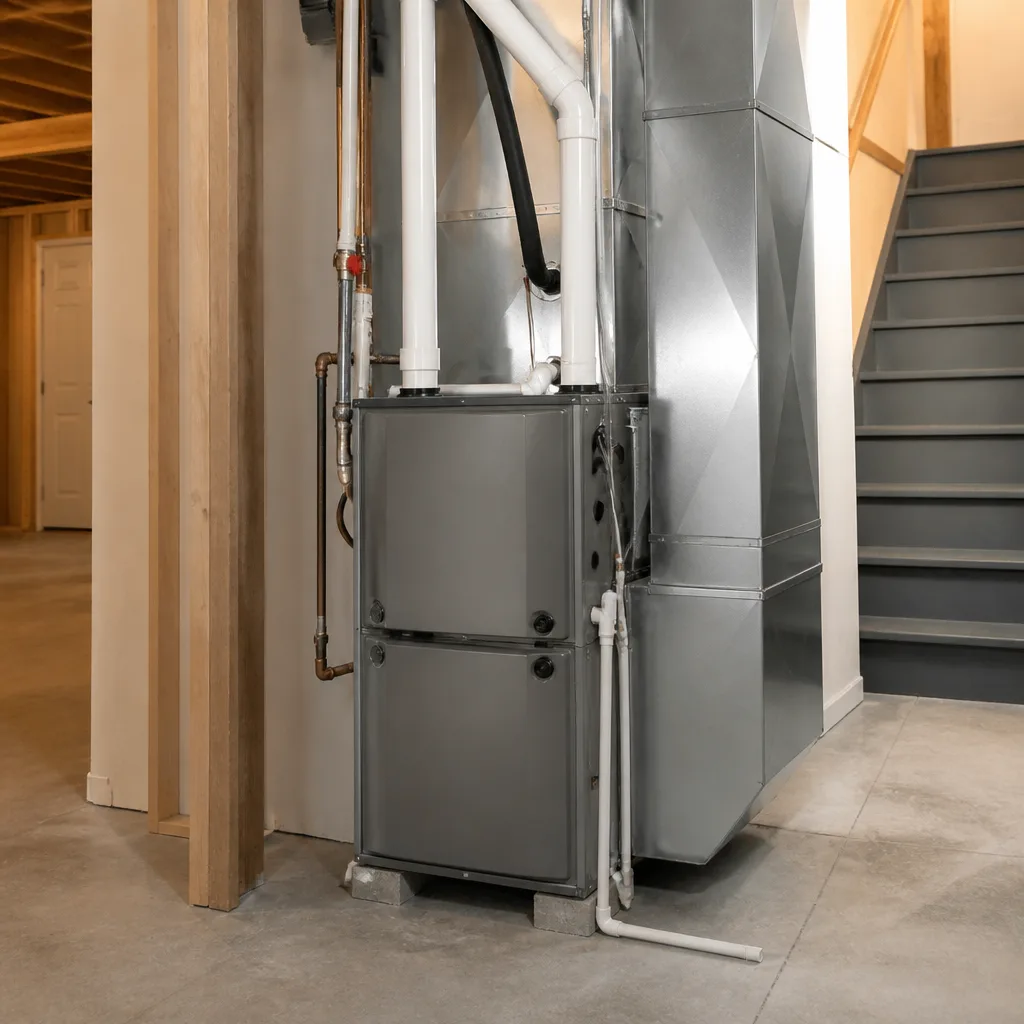 Furnace & heating
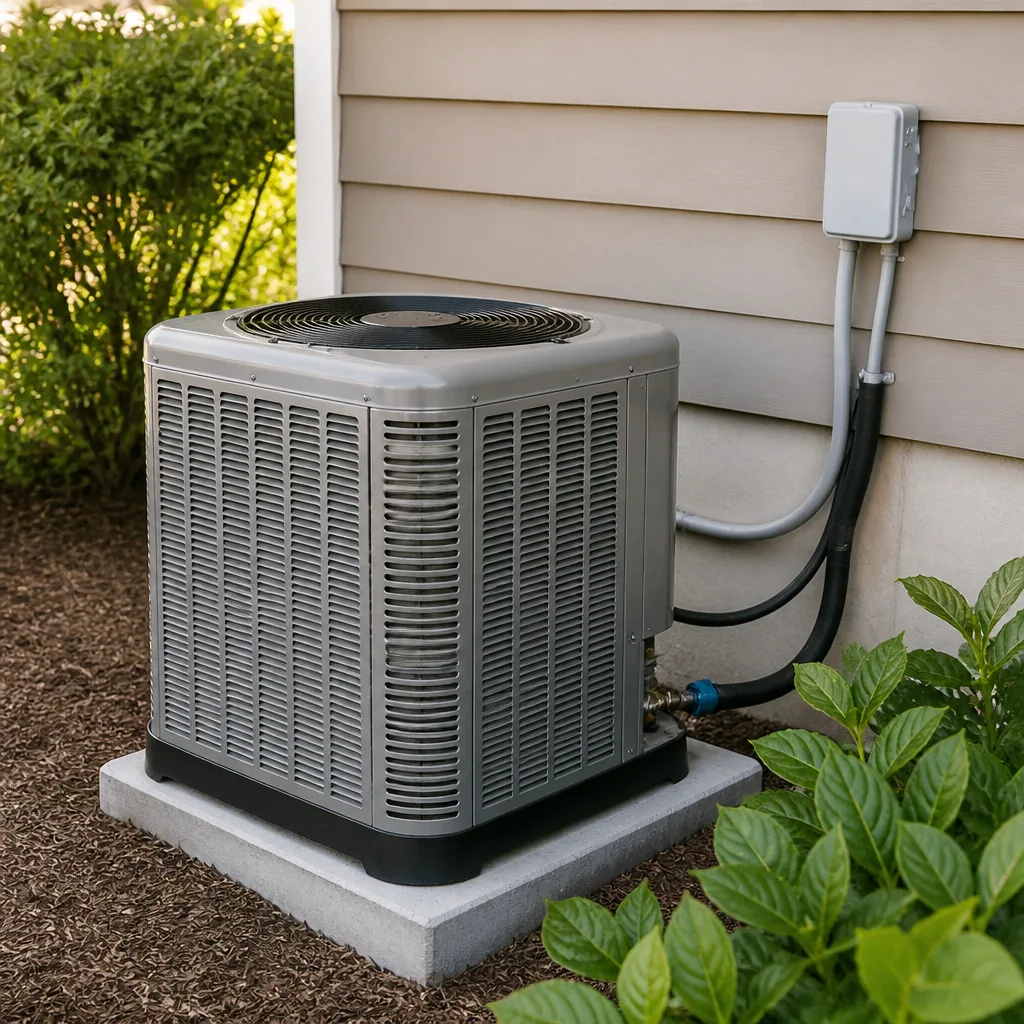 AC repair
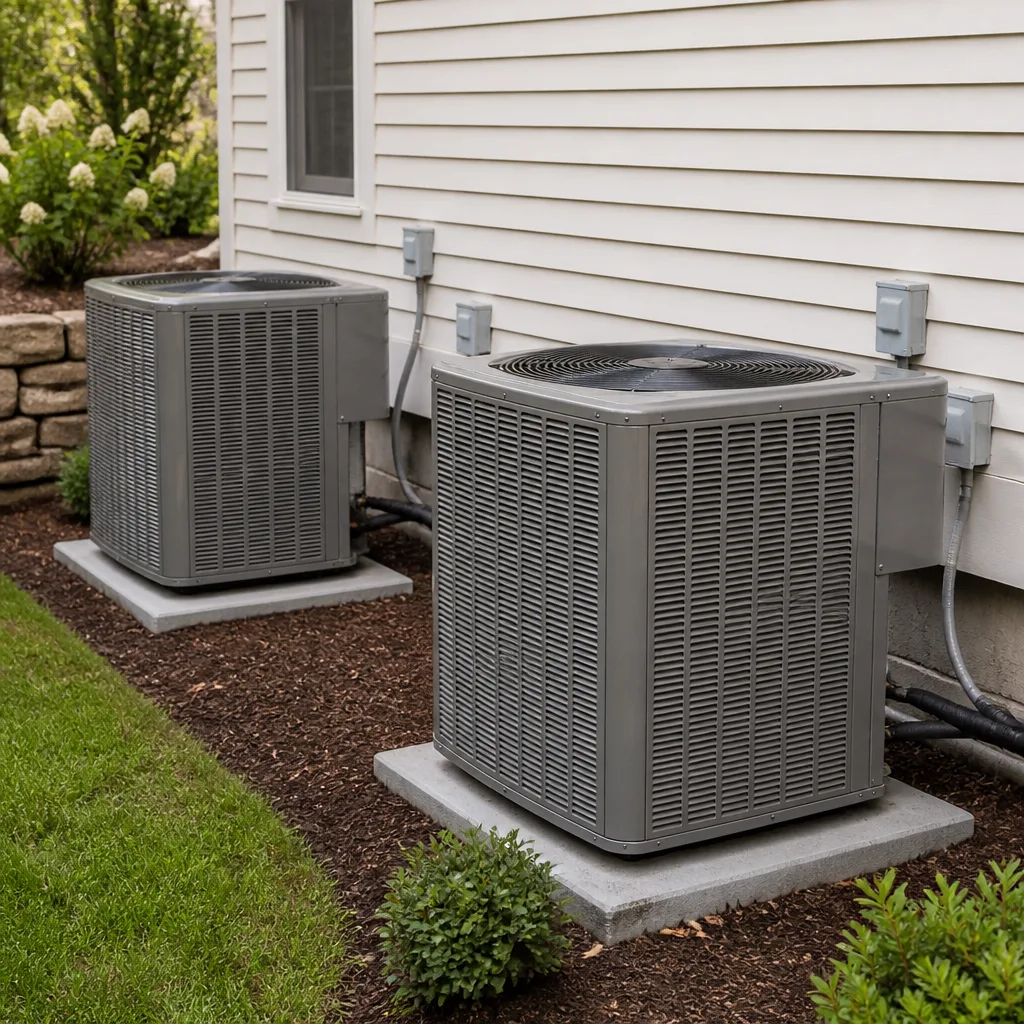 Heat pumps
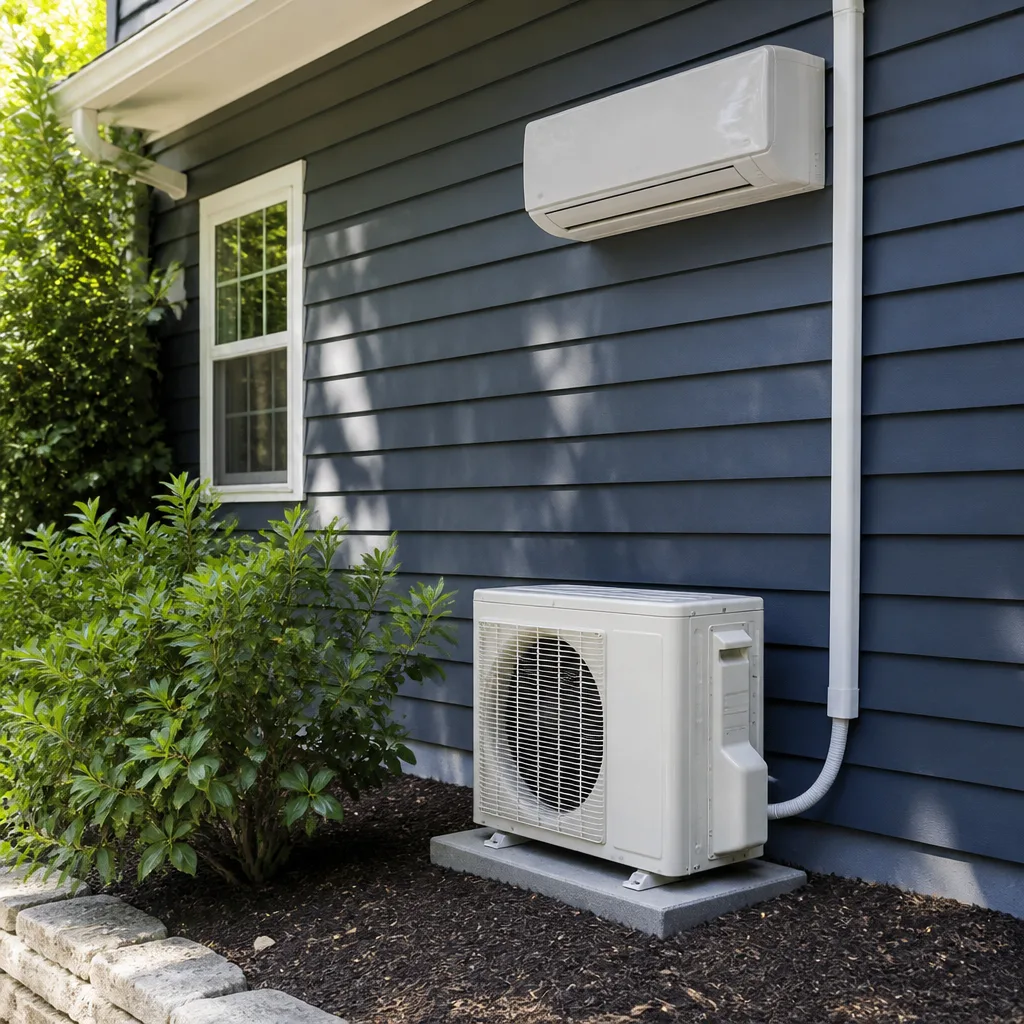 Ductless mini splits
 Carrier
 Trane
 Goodman
Seasonal tune-up and full diagnostic on your Carrier, Trane, or Goodman system - readings shown to you before any repair is proposed
Diagnosis first, numbers second - you approve the repair price before a single part goes in.
Get your free estimateFurnace Replacement Troubleshooting in League City: Common Problems and How to Fix Them
Most homeowners assume a furnace that keeps shutting off is on its last legs. In a mild climate like ours, that assumption is often wrong. A furnace that short-cycles on a 45°F League City night is frequently reacting to a dirty flame sensor or a clogged filter, not heading for the scrap pile. The trouble is that a cracked heat exchanger can produce some of the same symptoms, and that one is a genuine emergency. This guide draws a clear line between the repair-worthy problems and the true replacement triggers, so you can stop guessing and make a decision you won’t second-guess.
Quick Answer
Most furnace problems in League City are repairable, not replacement triggers. Dirty flame sensors, clogged filters, failing igniters, and stuck draft inducer motors account for the majority of no-heat and short-cycling calls, and each of those is a straightforward fix. The real replacement signals are a cracked heat exchanger, a rusted-out cabinet, and repair costs that cross roughly half the price of a new unit. When in doubt, get a professional diagnosis before you commit to either path.
Styles & brands we work with
- AC repair
- Furnace & heating
- Heat pumps
- Ductless mini splits
- Carrier
- Trane
- Goodman
Table of Contents
- Repair or Replace? How to Tell the Difference
- Symptom-by-Symptom: What Each Furnace Problem Really Means
- Why Mild Winters Cause Specific Furnace Failures in League City
- Reading Error Codes on Common Furnace Brands
- What You Can Safely Check Yourself (and What You Can’t)
- The 50% Rule: When Repair Cost Tips Toward Replacement
- What Furnace Replacement Actually Involves
- What Furnace Repair and Replacement Cost in League City
Repair or Replace? How to Tell the Difference
The single most useful distinction in furnace troubleshooting is between a component failure and a system failure. Components fail all the time and cost little to replace. Systems fail when the parts that cannot be replaced safely, mainly the heat exchanger and the cabinet itself, are compromised. That is the line.
Here’s how a technician sorts it out in practice:
- Check the heat exchanger first. If it’s cracked or perforated, the decision is made. Replacement is the only safe option.
- Rule out the cheap fixes. Flame sensor, igniter, filter, and flame rollout switch issues are all component-level repairs.
- Assess the blower motor and control board. These are mid-range repairs. They’re worth doing on a healthy furnace but raise a flag on an aging one.
- Look at the cabinet. Rust-through in the flue or cabinet means the unit is structurally done, even if it still fires.
- Compare remaining life to repair cost. That’s where the 50% rule comes in, covered further down.
Homeowners in League City run into this regularly because our heating season is short. A furnace that looks fine for nine months out of the year can hide a developing problem until the first real cold snap. Our furnace repair calls spike exactly when the temperature drops, and most of those turn out to be repairs, not replacements.
Symptom-by-Symptom: What Each Furnace Problem Really Means
Match the symptom to the likely cause before you assume the worst. This table pairs what you’re experiencing with what it usually means and whether it points toward repair or replacement.
Short-cycling (furnace turns on, runs briefly, shuts off)
- Likely causes: dirty flame sensor, clogged filter, overheating due to restricted airflow, or a cracked heat exchanger.
- Verdict: Repair in most cases. If a cracked heat exchanger is confirmed, replacement.
Furnace runs but never produces heat
- Likely causes: failed igniter, gas valve issue, flame sensor not detecting flame, or a tripped rollout switch.
- Verdict: Almost always a repair.
No heat and no blower
- Likely causes: dead control board, blown transformer, or failed blower motor.
- Verdict: Repair unless the furnace is otherwise at end of life.
Banging, booming, or rumbling noises
- Likely causes: delayed ignition (gas builds up before lighting), dirty burners, or expansion stress in the ductwork.
- Verdict: Repair, but delayed ignition should be looked at promptly.
Rotten egg smell
- Likely cause: gas leak.
- Verdict: Leave the home, call your gas utility, and don’t run anything electrical. This is not a troubleshooting situation.
Yellow or lazy flame instead of blue
- Likely causes: incomplete combustion, blocked venting, or a failing heat exchanger.
- Verdict: Pro diagnosis immediately. Incomplete combustion is a carbon monoxide risk.
If you’re in League City and the symptom is on that last list, don’t wait for a convenient time. A technician needs to look at it before you run the system again.
Why Mild Winters Cause Specific Furnace Failures in League City
League City furnaces live a strange life compared to furnaces up north. They sit idle for most of the year, then get called on during the handful of cold stretches that roll across the Gulf Coast each winter. That pattern of long dormancy and sudden demand produces a distinct set of failures that a northern technician wouldn’t see as often.
The biggest one is draft inducer motor seizure. The inducer motor pulls combustion gases out of the heat exchanger. During the idle months, dust, moisture, and the residue of manufacture settle into the bearings. When the furnace finally calls for heat, the inducer tries to spin but sticks. The pressure switch never closes, the furnace locks out, and the homeowner has no heat on the coldest night of the year. This one is very common in League City and it’s a repair, not a replacement.
A few other climate-driven issues:
- Dust-clogged flame sensors. A furnace that hasn’t run in months collects a fine layer of dust on the sensor rod. First ignition attempt fails, the control board locks out, and it looks like a much bigger problem than it is.
- Sticking gas valves. Gas valves that sit unused for months can gum up. They usually free up with a service call, but not always.
- Pest intrusion in the venting. Our mild climate means insects, lizards, and the occasional bird find their way into flue pipes and combustion air intakes during the off season. Blocked venting is a safety issue and a common cause of no-heat calls in League City.
- Rust in the flame path. The combination of humidity and idle time can leave rust on the burners and heat exchanger surfaces. Minor surface rust is fine. Deep pitting or rust-through is not.
The practical takeaway: don’t wait until you need the furnace to find out whether it runs. A brief check at the start of the heating season catches most of these before they strand you.
Reading Error Codes on Common Furnace Brands
Modern furnaces store fault codes in memory, and those codes are a shortcut to the right diagnosis. Every manufacturer uses a slightly different system. Here’s how to read what the three most common brands in this area are telling you.
Carrier furnaces
Carrier typically uses an LED that blinks a pattern on the control board. The pattern corresponds to a code chart printed on the inside of the access door. Common codes cover ignition lockout, pressure switch faults, and rollout switch trips. Those point straight to the flame sensor, inducer, or a venting problem respectively. Get the code number, not just the description, when you call.
Trane furnaces
Trane’s newer units often have a small digital display or a diagnostic LED. The codes are diagnostic and specific. A pressure switch code on a Trane usually means a blocked flue, a stuck inducer, or a failed pressure switch itself. A code pointing to limit circuit often means the furnace is overheating due to restricted airflow.
York furnaces
York also uses LED blink codes on its control boards. The pattern usually identifies a lockout condition. If the board shows a persistent flame sense fault, that’s the flame sensor or the ignition sequence. York systems are also known for pressure switch faults when the vent is blocked, which is worth checking before assuming the switch itself is bad.
What all three brands share is that the code tells you where the problem lives, not necessarily what part to replace. A pressure switch code doesn’t mean “replace the pressure switch.” It means the pressure switch didn’t sense the pressure it expects, which could be a switch, a hose, an inducer, or a vent. That distinction is why a technician with experience across multiple brands reads a code faster than a homeowner with the same chart.
We work on Carrier, Trane, York, Lennox, and five other major brands, so the code means the same thing to us regardless of which unit is in your home. You can read more about our approach on the Hartwell AC Repair page.
What You Can Safely Check Yourself (and What You Can’t)
Some furnace troubleshooting is safe and straightforward. Most of it is not, because the appliance burns gas, produces carbon monoxide, and mixes that fuel with electricity. There’s a clear line.
Safe to check yourself
- Filter condition. A clogged filter is the most common cause of overheating shutdowns. Pull it, hold it up to the light. If you can’t see through it, change it.
- Thermostat settings and batteries. Confirm the thermostat is set to heat, the set point is above room temperature, and the batteries (if it uses them) are fresh.
- Breakers. Check the breaker serving the furnace and the breaker on the air handler. A tripped breaker is simple and safe to reset once.
- Error code display. Write down the blink pattern or digital code. You don’t need to understand it to share it with a technician.
- Vent blockage visible from outside. If you can see the vent terminations from ground level and something is clearly obstructing them, that’s worth noting. Do not reach into the vent.
Not safe to check yourself
- The heat exchanger. Visual inspection requires removing the burners and induction assembly, and even then it needs a trained eye and, ideally, a combustion analyzer. A cracked heat exchanger is a carbon monoxide risk and the highest-stakes diagnosis in furnace work. Never open that part of the unit yourself.
- Gas piping, valves, and the manifold. Gas is not a DIY-friendly fuel. Any work inside the gas train of the furnace belongs to a licensed technician.
- The flame sensor and igniter. Technically reachable, but easy to break, and the furnace can produce a dangerous ignition sequence if the parts aren’t correctly reinstalled.
- The control board and wiring. Line voltage and 24-volt control circuits are both present. Petting a live board with a screwdriver is a bad trade for a service call.
- Rollout or pressure switches. These are safety devices. If one tripped, something caused it. Resetting it without addressing the cause is how furnace fires happen.
If you’re in the League City area and something on the “not safe” list is your problem, call a professional before you touch it. The League City service page has the details on how we handle those calls.
The 50% Rule: When Repair Cost Tips Toward Replacement
The 50% rule is a rough but genuinely useful benchmark. If a repair costs more than 50% of what a new furnace would cost, and the furnace is in the back half of its service life, replacement usually makes more financial sense than repair. Here’s what that looks like in real terms, using made-up but realistic numbers.
Say a mid-range furnace replacement in a League City home runs somewhere in the range of what a technician would quote you for a like-for-like swap. Half of that is your threshold. If the repair estimate comes in below that line, repair it. If it comes in above, and the furnace is more than about 15 years old, replacement is usually the smarter move.
A couple of concrete illustrations:
- Flame sensor replacement: A small, cheap component. Nowhere near the 50% line on any furnace. Repair, every time.
- Pressure switch or igniter replacement: Still well under the threshold. Repair.
- Blower motor replacement: Mid-range repair. On a young furnace, repair. On a 20-year-old furnace, think carefully.
- Control board and inducer together: This is where the math starts to tip. If the total lands close to or above half the replacement cost, and the unit is old, replacement is often the better answer.
- Heat exchanger replacement: Usually lands at or above the threshold, and often the parts aren’t economically available. Replacement.
The 50% rule isn’t gospel, but it’s a sound starting point. Its real value is that it forces the conversation toward the numbers instead of toward a feeling. A technician who only does installs will find reasons to hit the threshold. A technician who only does repairs will find reasons to stay under it. The recommendation you want is one shaped by what the system actually needs. That’s the way we approach it, and if the honest answer is repair, that’s what you’ll hear.
What Furnace Replacement Actually Involves
Replacement is not a same-day process like a repair, and it shouldn’t be treated like one. The right sequence looks like this.
- Load calculation. The new furnace is sized to the actual heating load of your home, not to whatever the old one happened to be. A furnace that’s oversized short-cycles and wears out faster. A furnace that’s undersized never keeps up.
- Ductwork evaluation. If the existing ducts can’t move the airflow a correctly sized furnace needs, the ducts need attention too.
- Equipment selection. This is where brand fluency matters. A Goodman, a Bryant, a Daikin, and a Trane all work, but at different price points and with different longevity profiles. You should be able to choose based on budget and what you want out of the system, not based on what a contractor prefers to sell.
- Scheduling and install. Once the equipment is ordered and the plan is set, you get a firm install date and a written fixed price. No surprises on the day.
- Venting and gas connections. Reconnected, tested, and confirmed. Combustion analysis on the new unit before anyone calls it done.
- Verification. Airflow measured, temperatures checked, thermostat confirmed. The final step is proof, not paperwork.
If you’re also thinking about cooling while you’re at it, the timing is worth thinking through. AC installation alongside a furnace replacement can share some of the labor, and it’s one of the cases where handling both sides of the system together genuinely saves money. That’s a conversation to have before the install date, not during it.
What Furnace Repair and Replacement Cost in League City
Pricing on furnace work varies with the specific job, so any range you see is a starting point, not a quote. Here’s a general shape of what each category tends to look like. The written estimate is what sets the final price.
| Work | Typical Range (estimated) | Notes |
|---|---|---|
| Diagnostic visit | Free estimate | Covers initial assessment and written quote |
| Flame sensor replacement | Low hundreds | The classic short-cycle repair |
| Igniter replacement | Low hundreds | Common no-heat cause |
| Inducer motor replacement | Mid hundreds | Frequent in mild climates due to idle seizure |
| Control board replacement | Mid to upper hundreds | Price varies by board complexity |
| Blower motor replacement | Mid to upper hundreds | Often the tipping-point repair |
| Heat exchanger diagnosis | Diagnostic plus | If compromised, replacement is the answer |
| Furnace replacement | Low thousands to mid thousands | Depends on efficiency tier and size |
Those numbers are broad on purpose. A furnace in a single-story League City home with straightforward ductwork is a different job than the same furnace in a two-story home with a long flue run. What counts is a written estimate for your specific home, given after someone has actually looked at the system.
Common Mistakes to Avoid
- Resetting the breaker over and over. If the breaker trips repeatedly, something is wrong. Repeated resetting without diagnosis can damage the control board and hide a real fault.
- Assuming short-cycling means end of life. In our experience, the majority of short-cycle calls in League City turn out to be a dirty flame sensor, a clogged filter, or an overheating issue. Don’t let anyone talk you into replacement before those have been ruled out.
- Ignoring a yellow flame. A yellow or lazy flame that used to be blue is a warning sign for incomplete combustion. It’s not a “wait and see” situation.
- Letting the furnace sit all summer without a check. The long idle season is precisely when the draft inducer seizes and the flame sensor dusts over. A quick seasonal check is worth the cost.
- Skipping the combustion analysis on a replacement. A new furnace that isn’t commissioned correctly isn’t a new furnace, it’s a new source of problems. Make sure the installer runs the numbers before they leave.
- Accepting a size quote without a load calculation. “Same size as the old one” is not sizing. It’s inheritance.
- Committing to a replacement before someone has actually inspected the heat exchanger. The heat exchanger inspection is the entire diagnosis. A replacement recommendation that didn’t involve looking at it is a sales pitch, not a diagnosis.
See the difference
 Before
 After
 Before
 After
 Before
 After
When to Call a Professional
Some furnace issues should halt your troubleshooting and go straight to a phone call. Any gas smell, any carbon monoxide alarm, any yellow flame or backdraft at the flue, and any confirmed or suspected heat exchanger problem are all “stop and call” situations. Beyond those, the call is warranted when the furnace runs but produces no heat, when it short-cycles repeatedly, when the breaker trips more than once, or when the error code on the board doesn’t clear after a filter change.
Hartwell AC Repair offers free estimates in League City. Call (866) 412-4707. We answer 24/7. Fast dispatch from 7am to 7pm, Sunday through Friday. Our technicians have up to 12 years of experience, and they work on whatever system you have.
Frequently Asked Questions
Most gas furnaces run 15 to 20 years, and homes in this area often land on the shorter end because the furnace bakes in an unconditioned closet for most of the year and only runs during short heating cycles. Age alone isn’t a replacement trigger. Condition, heat exchanger integrity, and repair history all matter more than the number on the nameplate. If your furnace is past 15 and facing a mid-range repair, it’s worth a real conversation.
Yes. A cracked or perforated heat exchanger means combustion gases can mix with the air going into your home, and that’s a carbon monoxide risk. There’s no safe repair for a compromised heat exchanger on a residential furnace. If one is confirmed, replacement is the only answer. Call (866) 412-4707 for a free estimate if you’re in League City and this is on the table.
Because it’s been idle for months. Dust settles on the flame sensor, the draft inducer motor’s bearings have had months to stiffen, and pest intrusion into the vent happens during the off season. The first cold snap calls on the system and reveals all of it at once. A seasonal check before the first cold stretch catches most of these before they strand you.
Sometimes, but it’s rarely the right call. The part often costs as much as half the furnace, and the surrounding components are usually near end of life too. In practice, a heat exchanger failure on a unit that’s more than 15 years old almost always tips toward full replacement. Call (866) 412-4707 for a free estimate if you want the specific math on your unit.
Any of the major brands will do the job if the unit is correctly sized and installed. The difference between a Bryant, a Daikin, a Trane, and a Goodman comes down to efficiency tier, longevity expectations, and price point, not whether it will work. We work on nine major brands, so we can walk you through the honest trade-offs without a preferred-brand bias. Call (866) 412-4707 for a free estimate.
Yes. We service existing equipment regardless of brand, age, or where it was originally purchased. Whether it’s a Carrier, a York, an American Standard, a Lennox, or anything else, we can diagnose and repair it. If it turns out to be a replacement situation, we’ll walk you through the options across budget and mid-range tiers. Call (866) 412-4707 for a free estimate.
The Bottom Line
Most furnace problems in League City are component failures, not system failures. Dirty flame sensors, clogged filters, seized draft inducers, and failed igniters cause the majority of no-heat and short-cycle calls, and each of those is a repair. The genuine replacement triggers are a cracked heat exchanger, a rusted-out cabinet, and a repair estimate crossing roughly half the cost of a new unit on an aging furnace. Read the error code, check the easy things, and call a technician before touching anything inside the cabinet. The right answer comes from an inspection, not from a guess.
If you’re ready to stop troubleshooting and get a straight answer, call Hartwell AC Repair at (866) 412-4707 for a free estimate. We work on whatever system you have, and we’ll tell you which option actually makes sense for your situation.
Written by the team at Hartwell AC Repair.